REVIEW · TULUM
2 cenote divings (including one deep diving) for advanced divers in Tulum
Book on Viator →Operated by La Calypso Dive Center · Bookable on Viator
Two cenotes, one mind-bending challenge.
What makes this outing special is the mix of the Pit deep portion and the famous Dos Ojos system, both in the same 5-hour run from Tulum. You’re in a small group, so you spend more time following the route and less time waiting around.
I especially like how smoothly it runs from the start: you meet up, get kitted out, and go in with a guide who keeps the briefing clear. In the reviews, guides like Martino and Alex stand out for careful setup, confident handling, and making the underwater flow feel manageable.
One big consideration: the deep portion in the Pit requires proof of advanced training (level 2 or higher). You’ll also need to answer a health questionnaire, and asthma is a no-go for this activity.
In This Review
- Key highlights you’ll feel on this outing
- The Pit-to-Dos Ojos combo in Tulum (and why it works)
- Morning logistics: meeting point, timing, and gear pickup
- Stop 1: La Calypso base and the pre-water briefing that matters
- Stop 2: The Pit deep portion (about 25 meters) and the light you can’t fake
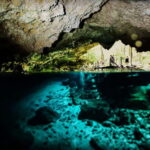
- Stop 3: Dos Ojos with limestone formations, bats, and underwater light plays
- Stop 4: Parque Dos Ojos and keeping the whole schedule sane
- Small-group setup and guide style: why Martino and Alex get named
- Value check: what $215 gets you (and what it doesn’t)
- Who this is best for (and who should rethink it)
- Should you book this cenote outing?
- FAQ
- FAQ
- Do I need advanced certification for the Pit deep portion?
- What scuba gear is included?
- How many people are in the group?
- What is included in the $215 price?
- What is not included?
- Where do I meet, and what time does it start?
- Is the tour guided in English?
- Can I get the ticket on my phone?
- What medical or safety rules apply?
- What is the cancellation policy?
Key highlights you’ll feel on this outing
- Pit deep portion to about 25 meters, with sulfur cloud and halocline effects
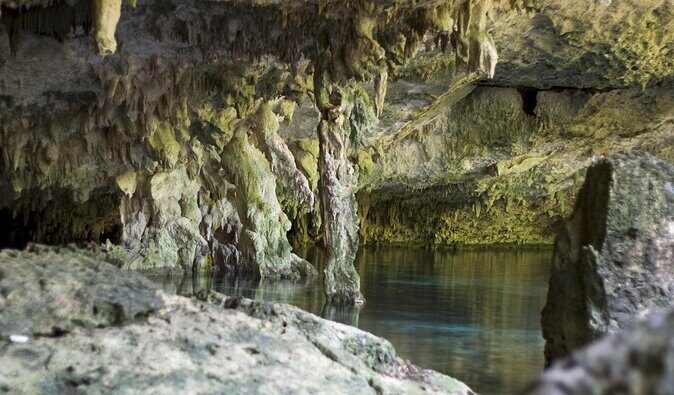
- Dos Ojos with major limestone formations, plus bat cave vibes and light play
- Very small group size (maximum 4 participants), for better timing and less crowd pressure
- Full gear + entrance fees included, so you’re not hunting for rentals or tickets
- English-speaking guidance, with guides like Martino and Alex praised for their briefings and control
The Pit-to-Dos Ojos combo in Tulum (and why it works)
This is the kind of cenote route that feels like two different worlds in one morning. The Pit is your technical, depth-facing challenge, with conditions that can change your visibility and buoyancy feel as you go lower. Then Dos Ojos shifts into a more open, photo-friendly circuit with limestone textures, branching passages, and those signature cenote light patterns.
What I like for you here is the pacing. It starts early, and that matters in cenotes. When you arrive with a head start, you’re more likely to get those quieter moments where the light beams look calm instead of chaotic.
And you’re not doing this solo. You’ll have a guide with you throughout, and small-group structure means you’ll get attention during the briefing and in the water. That’s especially valuable on the Pit side, where the deep portion demands discipline.
Other Tulum ruins tours we've reviewed in Tulum

Morning logistics: meeting point, timing, and gear pickup
You start at 8:00 am at Calle Sagitario Pte. 872, Tulum Centro. The tour ends back at the same place, so you don’t need to build a second plan for transport.
The meeting spot works well because it’s close to public transportation, which is helpful if you’re not riding with a hotel transfer. You also avoid the hassle of hotel pickup and drop-off, since those are not included.
Before you head to the water, you’ll meet at the operator’s Tulum base to get equipped. One of the reviews notes that it feels like a private, shaded garden in the middle of Tulum where you can collect gear without stress. That small “calm before the water” moment helps when you’re about to manage depth, buoyancy, and cave rules.
Gear-wise, this tour includes the scuba setup you need. Reviews also highlight top-quality equipment, which you’ll appreciate because the cenotes punish sloppy gear choices: the mask fit, regulator performance, and tank setup all affect comfort fast.
Stop 1: La Calypso base and the pre-water briefing that matters
This first stop is less about scenery and more about control. The goal is simple: you get fully geared up and you walk into both cenotes understanding the route, hand signals, and how the guide expects you to move.
In reviews, guides such as Martino are praised for taking time with the briefing and explaining things clearly before anyone gets in the water. That matters in cenotes because conditions can shift quickly. Your comfort comes from knowing what to expect, not guessing.
Here’s what you should pay attention to during the briefing:
- How the guide wants you to manage your buoyancy and spacing in overhead or semi-enclosed areas
- What landmarks or lighting cues mean during the route
- How the group will handle equalization, especially if you’re going deeper in the Pit
If you’re advanced, you probably already know the basic drills. What you’re looking for here is consistency and leadership, and that’s exactly what the guides mentioned in the feedback are known for.
Stop 2: The Pit deep portion (about 25 meters) and the light you can’t fake
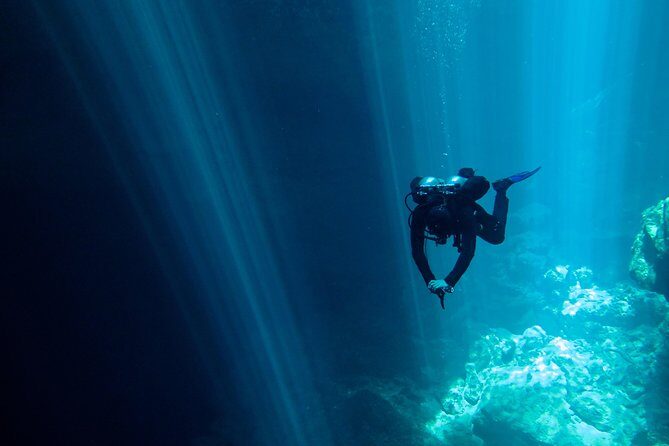
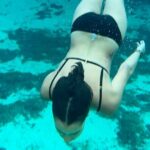
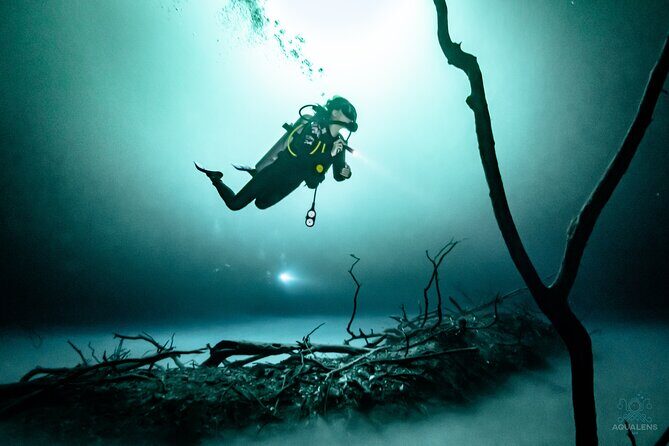
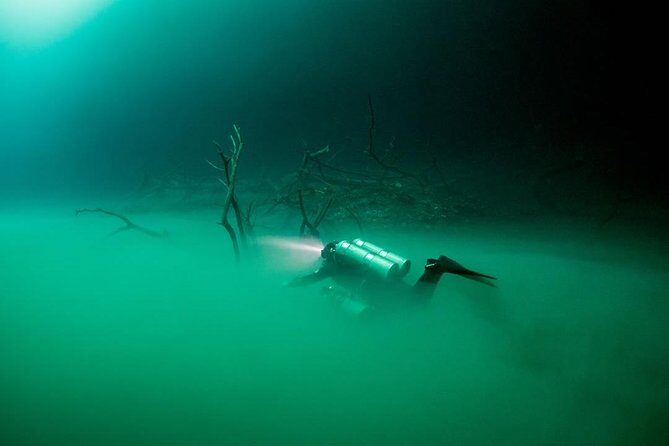
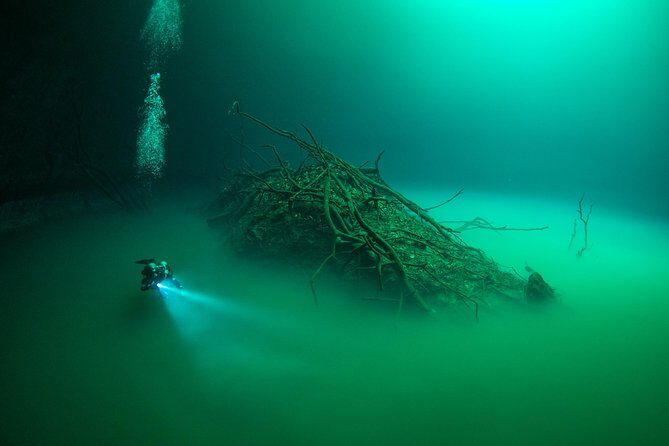
The Pit is the main test of this whole outing. The route starts with the deep portion in the Pit, described like a bottomless well feeling, with a sulfur cloud visible around 25 meters and an halocline that can change the water look and how the dive feels.
You’ll also get those sun-ray moments when the light angle hits properly. One review specifically calls out sun rays in the Pit and describes a magical feeling when the group arrived early and had space to move. That’s not just “nice lighting.” It’s a safety and comfort advantage too: fewer people in the same pocket of water means less sudden movement around you.
What to watch for as you go deeper:
- Visibility and color changes: the sulfur and layering effects can make the water look different than it did at shallower points
- Breathing rhythm: with depth come slower, steadier adjustments
- Your mental tempo: in the Pit, you’ll do better if you treat the route like a checklist, not like a sightseeing stop
This is not a casual outing. The deep portion requires proof of advanced training. The operator is specific: evidence of level 2 certification is required for divers participating in the deep portion. If you have Open Water plus deep certification, that can qualify as well, since the requirement is tied to the deep portion in the Pit.
Stop 3: Dos Ojos with limestone formations, bats, and underwater light plays
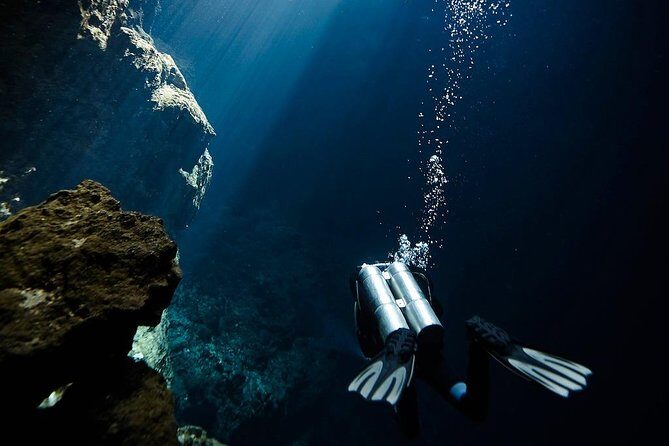
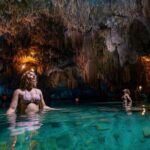
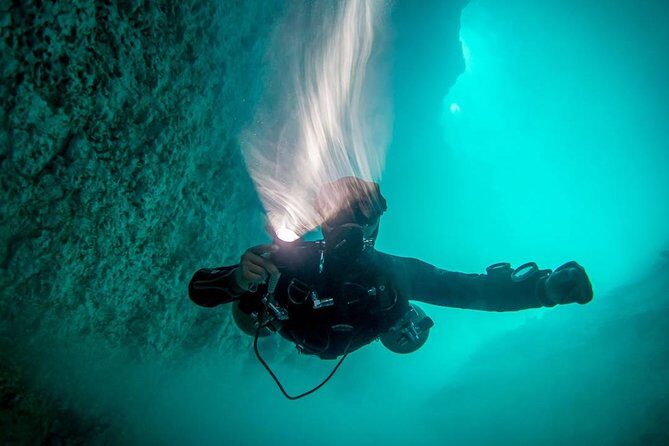
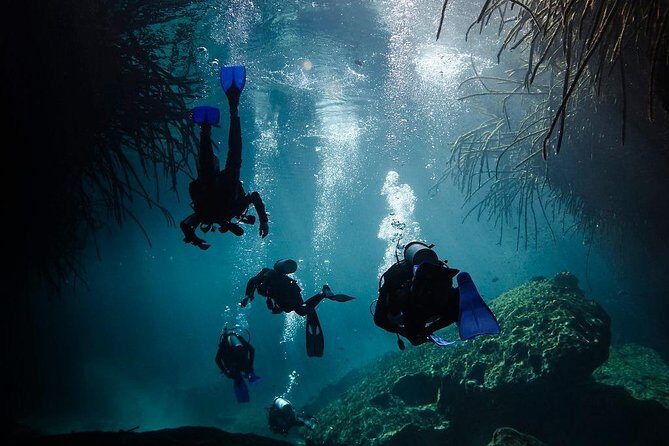
After the Pit, you shift into Dos Ojos, one of the most famous systems near Tulum. This part is all about textures and variety: millions of limestone formations, underwater surprise moments, and light effects that turn the water into moving shadows.
The route includes elements like a bat cave, plus those classic cenote patterns where the surface light breaks down in the water and makes everything look layered. If you’ve ever seen photos of Dos Ojos, this is the place those pictures are chasing.
One useful detail from the feedback: Dos Ojos tends to feel more popular and gives you more room to swim around further compared to the first site. That’s great if you want a more spacious-feeling experience after the Pit’s depth-and-discipline segment.
Even if you’re experienced, Dos Ojos is still a place where you’ll appreciate good guidance:
- The guide helps you keep your position and orientation
- You move as a unit so nobody ends up late or separated
- You learn what to look for in the formations, not just how to pass through them
And because the group is capped, you’re less likely to feel rushed by other people crowding the same underwater lines.
Other cenote tours we've reviewed in Tulum
- Selva Maya Eco Adventure Park: Ziplining, Hanging Bridges, Rappelling and Cenote
★ 5.0 · 1,057 reviews



Stop 4: Parque Dos Ojos and keeping the whole schedule sane
You’ll also have a stop labeled Parque Dos Ojos. In practical terms, this is where park access and site management connect to your day. Cenote systems often involve protected areas and specific entry rules, so pairing your time across the route helps keep everything authorized and on schedule.
Why this matters: if your cenote day is run in sloppy order, you can end up waiting on check-in or doing extra transfers. Here, the plan is structured so you get both the Pit deep portion and Dos Ojos within about 5 hours total, with transportation included from the base to the cenotes and back.
Small-group setup and guide style: why Martino and Alex get named
This outing has a small headcount. The operator lists a maximum of 4 participants, and the feedback repeatedly ties that small size to a smoother day.
A few themes show up in the notes:
- Guides are praised for careful control and safety during the underwater portion
- The briefings are described as explained well, not rushed
- People mention improved timing and crowd-avoidance because the day starts early
Two guide names come up: Martino and Alex. Martino is linked with strong care and clear pre-water explanations. Alex gets credit for safe guidance, a calm rhythm, and sharing local context about the cave/cenote setting.
If you’re trying to decide whether this is worth it, guide style is a huge part of the value. In cenotes, you don’t just want someone who knows the route. You want someone who makes the route feel doable.
Value check: what $215 gets you (and what it doesn’t)
At $215 per person, you’re paying for a tightly packaged advanced cenote plan. Here’s what’s included:
- Driver/guide
- Round-trip transportation from the operator base to the cenotes
- Scuba gear use
- Cenote entrance fees
Those inclusions matter more than the dollar figure. Gear rentals plus entrance fees can add up quickly, and the transportation component saves you the hassle of coordinating taxis and timing yourself.
What’s not included is also straightforward:
- Lunch and breakfast
- Hotel pickup and drop-off
For a 5-hour morning run, plan for food before or after. If you’re the type who likes a big breakfast, grab it earlier, because you’re starting at 8:00 am.
Who this is best for (and who should rethink it)
This outing is built for advanced open water or higher divers for the deep portion. It explicitly requires proof of advanced level training for that Pit segment.
It’s also not for everyone medically. The operator warns that:
- A health questionnaire is required before diving
- Flying within the prior 24 hours is not recommended
- Asthma is not recommended for this activity
- Some medical conditions may prevent you from diving, so you should consult your doctor
There’s also a moderate physical fitness note. That doesn’t mean you need athlete fitness, but you do need to be able to handle a structured, early-morning water session and move comfortably with gear.
If you’re confident in your buoyancy control, equalization, and depth management, this format is exactly the kind of training day that feels rewarding. If you’re still shaky on those basics, the deep portion is not the place to practice.
Should you book this cenote outing?
Book it if you want a well-run advanced morning with a true split-personality experience: Pit for the depth challenge and Dos Ojos for formations, bat cave moments, and light play. The small-group cap and early timing are the kind of practical advantages you feel immediately underwater.
Skip it if you don’t meet the deep-portion certification requirement, or if medical factors (especially asthma) apply to you. Also, if you’d rather avoid the stress of pre-water checks and strict rules once you’re in the water, this may feel like too much.
If you do book, come ready to follow the briefing, equalize calmly, and keep your focus. The Pit rewards discipline, and Dos Ojos rewards steady movement and good buoyancy.
FAQ
FAQ
Do I need advanced certification for the Pit deep portion?
Yes. To participate in the deep portion in the Pit, you need evidence of advanced level training (level 2) or higher. Open Water certified divers with deep certification can also qualify.
What scuba gear is included?
The tour includes the use of necessary scuba equipment, along with scuba setup during gear collection at the meeting base.
How many people are in the group?
This activity has a maximum of 4 participants.
What is included in the $215 price?
Your price includes the driver/guide, round-trip transportation from the dive base to the cenotes, use of scuba equipment, and cenote entrance fees.
What is not included?
Lunch and breakfast are not included, and hotel pickup and drop-off are not offered.
Where do I meet, and what time does it start?
You meet at Calle Sagitario Pte. 872, Tulum Centro, 77760 Tulum, Q.R., Mexico. The start time is 8:00 am, and the activity ends back at the same meeting point.
Is the tour guided in English?
Yes. The experience is offered in English.
Can I get the ticket on my phone?
Yes. The tour offers a mobile ticket.
What medical or safety rules apply?
You must complete a health questionnaire before diving. Diving within 24 hours of flying is not recommended. Asthma is not recommended, and certain pre-existing medical conditions may prevent you from diving, so check with your doctor if you’re unsure.
What is the cancellation policy?
You can cancel for free up to 24 hours in advance for a full refund. If you cancel less than 24 hours before the start time, there is no refund.

More Tour Reviews in Tulum
- Selva Maya Eco Adventure Park: Ziplining, Hanging Bridges, Rappelling and Cenote
★ 5.0 · 1,057 reviews

More Cenote Tours in Tulum
- Selva Maya Eco Adventure Park: Ziplining, Hanging Bridges, Rappelling and Cenote
★ 5.0 · 1,057 reviews