REVIEW · PLAYA DEL CARMEN
Coba Multun-Ha Cenote Tulum and Mayan Museum Small Group
Book on Viator →Operated by Mayan Riviera Tours · Bookable on Viator
Cenotes, coast ruins, and jungle sites in one sweep. This small-group trip strings together Coba, Tulum, and a swim at Multum Ha Cenote, with a real guide to connect the dots between Maya city life, Spanish conquest, and water-soaked limestone caves. You’ll also get a buffet lunch and hotel pickup/drop-off in the Riviera Maya, so the day feels planned instead of pieced together.
What I especially like is the small-group size (max 15), which usually means fewer gaps in attention and more time for questions. Another strong win: the order of stops sets you up for a calmer, more comfortable rhythm—ruins first, cenote last, when you’re ready to cool off.
One consideration: it’s a long day with plenty of walking. If you’re sensitive to heat, distance, or sun exposure, you’ll want to plan your pace (and bring the right swim and foot gear).
In This Review
- Quick hits you’ll feel on the ground
- Coba and Tulum back-to-back: why this route works
- Coba Ruins: jungle roads, ball courts, and your bike decision
- The Coba pyramid climb note (read this before you plan)
- Walking distance and transport options
- Tulum archaeological site: cliffside temples and Spanish-era context
- A strict rule about bottles and packaging
- Jaguar Park and the Mayan Museum: what you gain from the indoor stop
- Multum Ha Cenote: the late-day cool-down that makes the whole trip click
- What to bring for the swim
- Swim reality check
- Lunch, beverages, and the comfort factor in a long day
- What small-group really means here
- Guides and drivers: the difference between a tour and a memory
- When you’re paired with a great team
- Price and what you should budget beyond the listed amount
- How to make the money part painless
- Packing list for a cenote-and-ruins day
- Who should book this Coba, Tulum, and Multum Ha trip
- Should you book Mayan Riviera Tours for this route?
- FAQ
- How long is the Coba, Tulum, and Multum Ha Cenote small-group tour?
- Where does the tour start and how is pickup handled?
- How big is the group?
- Is Tulum entrance included, or is there an extra fee?
- Do I need to pay for Coba and the cenote entrances?
- Can I climb the Coba pyramid?
- Is lunch included?
- What should I bring for the cenote swim?
- Are bottles allowed at Tulum?
Quick hits you’ll feel on the ground
- Small-group pace (15 max): more personal guiding and less time waiting around.
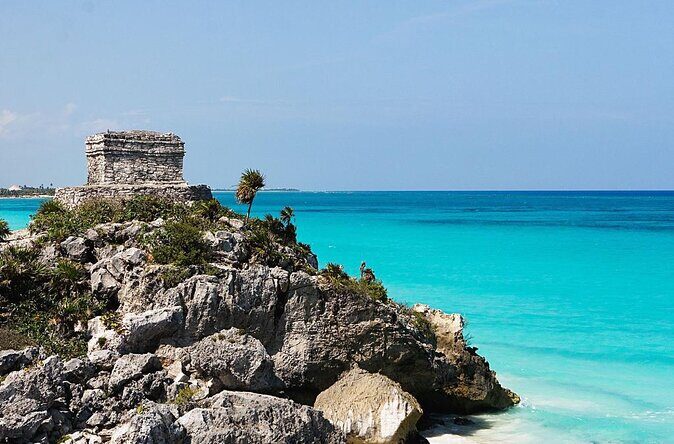
- Coba + Tulum contrast: jungle roads and ball courts, then Tulum’s Caribbean cliffside seaport vibe.
- Multum Ha swim at the end: emerald water and limestone formations, timed as the payoff.
- Lunch + beverages included: you’ll eat without hunting down a place mid-tour.
- Bring cash for Tulum ruins: there’s a per-person cash fee at boarding for Tulum archaeological access.
Coba and Tulum back-to-back: why this route works
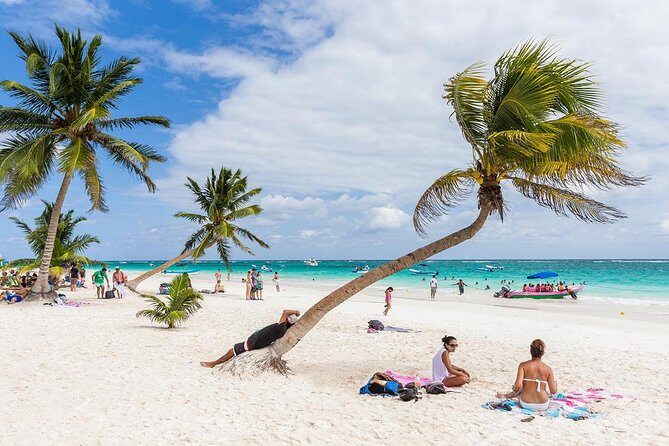
If you only pick one Maya site, you miss the bigger picture. This day trip gives you two very different worlds: Coba is an inland network of roads and plazas in the jungle, while Tulum sits on the Caribbean coast as a Maya seaport built for a different kind of life.
I like that the guide framing helps you understand why these places feel different. At Coba, you’ll walk past two ball courts and hear about the sacbé, the white roads that once linked Maya cities. You’re not just snapping photos—you’re learning how people moved and traded across the region.
Then Tulum flips the mood. The ruins are carved into a dramatic coastline setting, and the stories move toward Maya nobility and merchants, plus the Spanish conquest that changed everything. Even if you’ve seen ruin photos before, seeing both sites in one day helps your brain sort out what you’re looking at.
Other Tulum ruins tours we've reviewed in Playa del Carmen


Coba Ruins: jungle roads, ball courts, and your bike decision
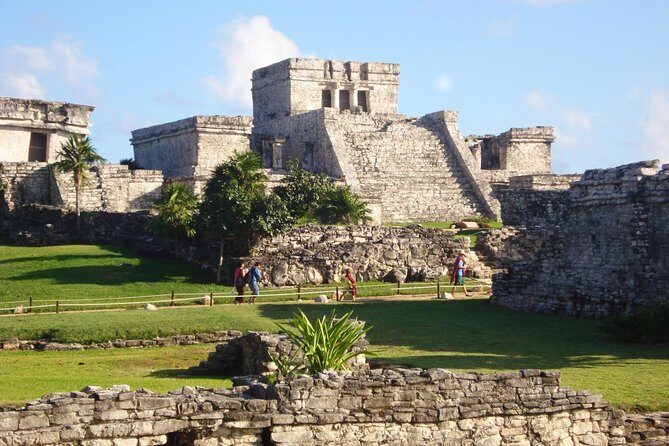
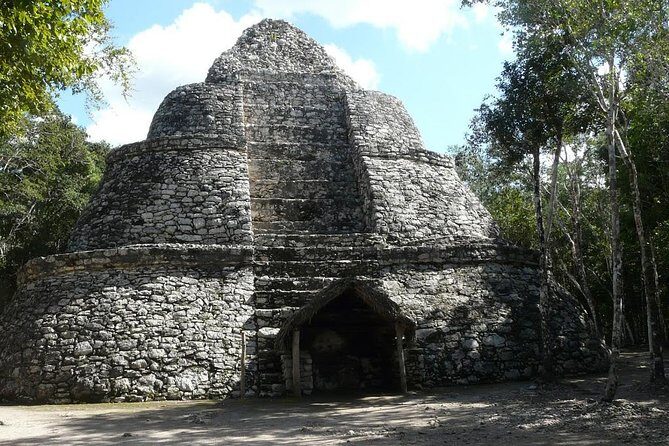
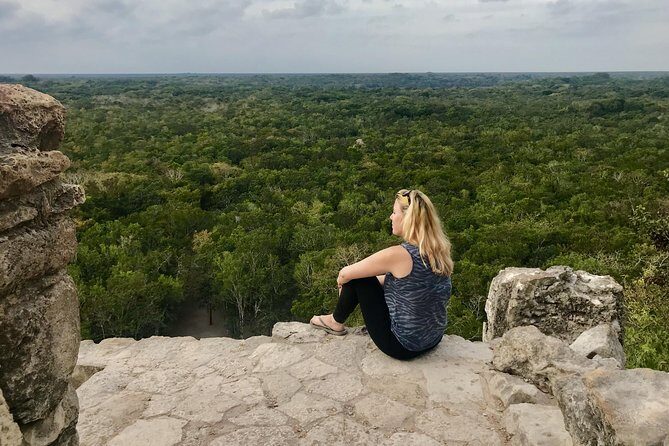
Coba is first for a reason. You get a real chunk of time here (about two hours), and Coba’s layout rewards slow wandering with a guide who can point out what matters. This was a huge place at its peak—around 50,000 people and roughly 80 square miles (about 129 sq km)—so you’ll feel the scale even if you don’t cover every corner.
Here are the details that make the visit meaningful:
- You’ll see two ball courts, a classic Maya civic-and-game setup.
- You’ll follow the story of the sacbé, the white causeways Maya used like city arteries.
- You’ll get a look at preserved and rebuilt sections, which helps you visualize what the site may have looked like in use.
The Coba pyramid climb note (read this before you plan)
Climbing the Coba pyramid is neither included nor guaranteed. So don’t build your ideal day around getting to the top. If you do get the chance, great. If you don’t, you can still enjoy Coba’s roads, plazas, and the wider jungle feel.
Walking distance and transport options
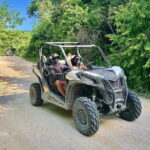
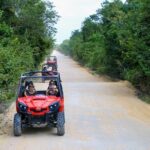
Coba can mean a fair bit of legwork, and you’ll often have a choice on the ground: walk it, rent bikes, or use bike-style transport. In practice, renting a bike usually costs extra, and one commonly seen price is around 65 pesos per person. Plan a little buffer so you can choose what fits your energy level when you arrive.
Tulum archaeological site: cliffside temples and Spanish-era context
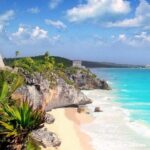
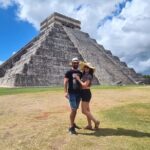
Tulum is the only archaeological zone in this set built right on the Caribbean coast, and it shows. The ruins feel more like a fortress and port than an inland city, and the guide will help you read the structures with context instead of treating it like a photo stop.
You’ll get about two hours in the Tulum area, which is enough time to take the groomed paths, catch the big viewpoints, and still have time to regroup before the later stops.
What you’ll focus on:
- How Tulum functioned as a seaport for Maya nobility and merchants.
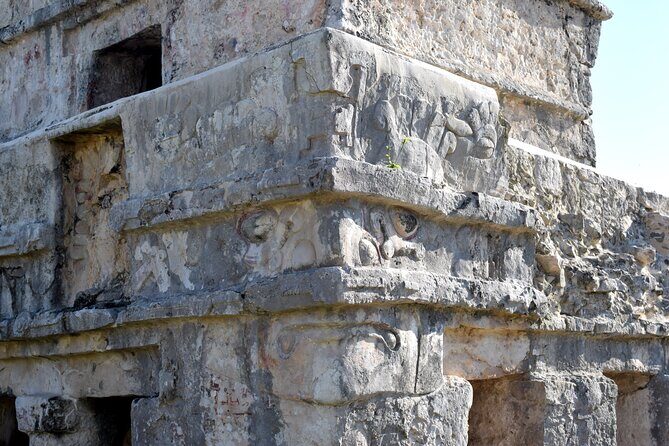
- Notable structures, including a restored temple where murals reveal ancient red pigments.
- The story of Spanish conquest and how it reshaped life after the Maya era.
Other cenote tours we've reviewed in Playa del Carmen

A strict rule about bottles and packaging
At Tulum, archaeological-zone rules are strict: you can’t bring bottles into the site, and you also can’t bring food items in disposable packaging. This matters because you’ll likely want a drink in the sun. My advice: use your water/refresh breaks before you step inside the zone, and keep bottles out of the restricted area.
If the tour encourages bringing a reusable bottle for refills, that’s great for the van and stop breaks. Just remember the bottle rule is about what you carry into the archaeological area.
Jaguar Park and the Mayan Museum: what you gain from the indoor stop
Between the outdoor ruins and the cenote swim, you’ll visit Jaguar Park and spend about 45 minutes at the Mayan Museum there. This stop is valuable because it helps turn what you just saw outdoors into something tangible.
The museum includes thousands of artifacts from the Maya civilization—things like vessels, sculptures, and examples of Maya architecture. Even if you’re tired from the walkways, this is the moment where the day starts to feel more complete.
The real benefit: a museum stop breaks the heat and gives your guide a chance to connect everyday objects to the big political and religious stories you heard at the sites.
Multum Ha Cenote: the late-day cool-down that makes the whole trip click
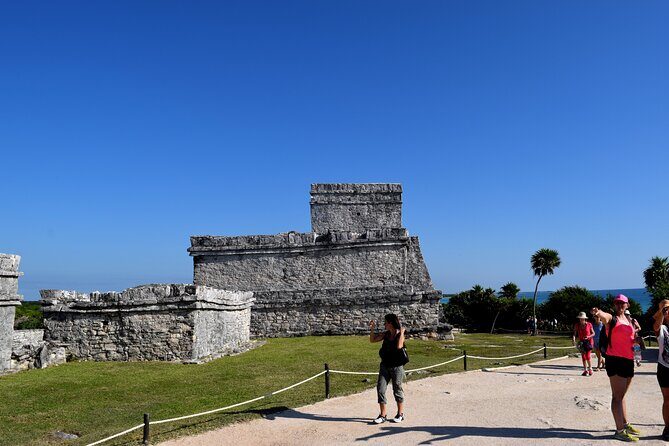
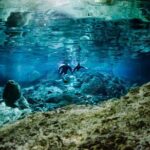
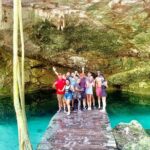
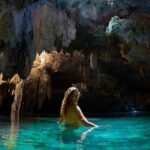
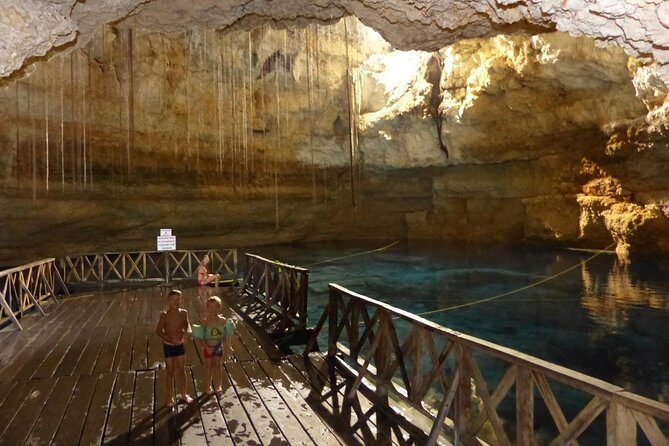
This is the part you’ll remember after your phone battery is at 20%. Multum Ha Cenote is known for emerald water and dramatic limestone features—stalactites that formed over centuries. You get about 45 minutes here, and the timing is smart: you finish site-hopping while you’re still warm, then you cool down in a natural pool.
What to bring for the swim
Bring swim basics, because the cenote experience is hands-on. One consistent practical tip from real-world experiences: towels aren’t provided at the cenote, so pack your own. Flip-flops help too, both for comfort and for staying steady on uneven surfaces.
If you like photos, consider an underwater camera or a waterproof phone case. The water is clear enough that you’ll want to capture it.
Swim reality check
This is a cenote in a cave-like setting, so it’s not a lazy resort pool. The ground and entry points can be slippery, and the environment is natural. Move carefully, give yourself a minute to adjust, and you’ll get the full wow factor without rushing.
Lunch, beverages, and the comfort factor in a long day
You’ll stop for buffet lunch with beverages included, and you’ll have bottled water provided during the day. The catch is that drinks in the lunch buffet aren’t included, so if you want sodas, cocktails, or other bottled drinks, expect to pay extra.
I like that the meal is built into the day, because ruin time doesn’t wait for lunch lines. Buffer time matters on trips like this, and having a planned lunch helps you keep the day enjoyable instead of hungry.
What small-group really means here
Small-group touring isn’t just marketing. When you’re moving between sites, it affects:
- how often the group stops to regroup,
- how easy it is to hear your guide,
- how smoothly photo moments happen without everyone getting yanked forward.
On days when the guide is engaging and flexible, the information feels tailored instead of like a script.
Guides and drivers: the difference between a tour and a memory
The strongest version of this tour is when the guide turns history into something you can picture. You’ll see many days powered by guides like Jesus, Antonio, Gabriel, Tonantzin, or Francisco, with drivers including Raphael, Lupita, German, Jose, and Joel. Names aside, the pattern is what matters: guides who explain the why, not just the what, make Coba and Tulum click fast.
A few guide behaviors that consistently improve the day:
- Clear communication about what’s next and how much time you’ll have.
- Plenty of opportunities for photos, often with active help from the guide.
- The ability to adjust explanations based on your interests, instead of forcing one lecture style.
When you’re paired with a great team
On the best days, the pacing feels smooth, the van ride feels safe and comfortable, and you spend more time in the sites and less time figuring things out. That’s the real value of a professional, small-group setup.
Price and what you should budget beyond the listed amount
At $109 per person, this tour packs in multiple paid components: hotel pickup/drop-off (from much of the Riviera Maya), an air-conditioned minivan ride, a professional guide, a buffet lunch, and entrances tied to the day’s sites (with taxes noted as not included). The overall value comes from not having to coordinate separate tickets and transportation.
But there are extra costs you should plan for:
- Tulum archaeological site access fee is mandatory cash payment at boarding, listed as $45 per adult and $30 per child.
- Drinks in the lunch buffet are not included.
- Optional add-ons at Coba, like bicycle rentals, cost extra.
- If you want snacks and drinks during breaks beyond what’s provided, bring a little extra spending money.
How to make the money part painless
Bring pesos for small purchases and cash specifically for the Tulum fee at boarding. If you only travel with cards, you may end up stressed when it’s time to pay a cash-only access fee.
Packing list for a cenote-and-ruins day
For a day with ruins and a swim, you’ll do best with a simple kit:
- Swimsuit you can change into quickly
- Flip-flops for the cenote (and spare dry footwear if you prefer)
- Sunscreen and a hat (you’ll be exposed at both sites)
- Bug spray (mosquitoes can be aggressive in the jungle areas)
- A towel for Multum Ha Cenote (not provided)
- A waterproof phone case or underwater camera option
- Non-plastic reusable water bottle for refills, but keep in mind bottle restrictions at Tulum’s archaeological zone
Also, pack a little patience for a long day. Even when everything runs on time, you’re moving between several major stops.
Who should book this Coba, Tulum, and Multum Ha trip
This is a great fit if you want:
- Two different Maya ruins experiences in one day
- A guide to interpret what you’re seeing at both sites
- A real swim payoff at the end, not just a quick cenote photo
- The comfort of hotel pickup and small-group pacing
I’d especially recommend it for couples and small groups who want a guided overview without joining a big crowd. It also suits history-minded travelers who like practical structure—ruins with clear timing, lunch included, then a cool-down swim.
If you hate long walking days, don’t skip thinking about Coba’s distance and your options there. You can still enjoy the day, but it helps to choose your transport style early (bike/walk) based on your comfort.
Should you book Mayan Riviera Tours for this route?
Yes, if you can handle a long, active day and you’re ready to mix outdoor ruins with a real cenote swim. The value is strongest in the small-group experience and the way the day connects Coba’s jungle city clues with Tulum’s coastal port stories, then ends with natural water cooling you off.
Book it with a couple of smart expectations: bring cash for the Tulum fee, pack a towel for the cenote, and plan for extra optional spending at Coba and for drinks. Do that, and you’ll end the day feeling like you actually covered a lot of Maya territory in a way that makes sense.
FAQ
How long is the Coba, Tulum, and Multum Ha Cenote small-group tour?
It runs about 10 hours.
Where does the tour start and how is pickup handled?
Pickup is offered from hotels and vacation rentals in the Riviera Maya from Moon Palace to Tulum (including Puerto Morelos and Playa del Carmen). Cancun and Costa Mujeres are not included for pickup. You provide your hotel name and lobby for pickup, and pickup time is provided the afternoon before the tour.
How big is the group?
The maximum group size is 15 travelers.
Is Tulum entrance included, or is there an extra fee?
There is a mandatory cash-only access fee to enter the Tulum archaeological site: $45 per adult and $30 per child, paid upon boarding.
Do I need to pay for Coba and the cenote entrances?
Coba and Multum Ha Cenote entrances are listed as included (no taxes). The Tulum entrance fee is the one called out as extra.
Can I climb the Coba pyramid?
Climbing the Coba pyramid is neither included nor guaranteed.
Is lunch included?
Yes. A buffet lunch is included, and beverages are included, but drinks specifically during lunch are not included.
What should I bring for the cenote swim?
Bring swim-ready items, and plan on having a towel since towels are not provided at the cenote.
Are bottles allowed at Tulum?
Tulum archaeological-zone rules prohibit introducing bottles of any type into the site, and also prohibit food items in disposable packaging.