REVIEW · SAN MIGUEL DE COZUMEL
Cozumel: Chocolate Workshop at The Mayan Cacao Company
Book on GetYourGuide →Operated by Tourlanders · Bookable on GetYourGuide
Chocolate has a history worth tasting. This Cozumel workshop at The Mayan Cacao Company turns a sacred Mayan story into a hands-on chocolate bar you can make, not just watch. I like that the session starts with how cacao shaped social life and ritual, and then moves into the real process using tools like a traditional metate.
The second reason I’m a fan: you leave with something tangible. You’ll get step-by-step guidance to crush and grind cacao seeds, mix simple ingredients, and shape your own bar. After that, you’ll visit the boutique and sample 13 artisanal chocolates, which makes the whole 90 minutes feel like more than a one-task souvenir stop.
One thing to consider: this is not recommended if you have chocolate or nut allergies, and it isn’t wheelchair accessible. If either applies, skip it and look for a different food-focused experience that fits your needs.
In This Review
- Key Things I’d Watch For
- Chocolate Making in Cozumel: The Story You Actually Get to Use
- The Meeting Point, Timing, and What to Bring
- Step-by-Step: What Happens During the Mayan-Style Chocolate Workshop
- 1) Cacao’s role in Mayan culture
- 2) The traditional chocolate-making process
- 3) Mix, shape, and make your own chocolate bar
- What can slow you down?
- The Boutique Tasting: Why the 13-Chocolate Stop Matters
- Price and Value: Is $40 a Fair Deal for 90 Minutes?
- Who This Workshop Is Best For (And Who Should Skip It)
- Language, Group Energy, and How to Get More Out of It
- Quick Practical FAQ
- FAQ
- How long is the Cozumel chocolate workshop?
- What does the workshop cost?
- What’s included in the price?
- Where do I meet for the activity?
- Is hotel pickup or drop-off included?
- What languages are the instructors?
- Is this workshop suitable for people with chocolate or nut allergies?
- Is the tour wheelchair accessible?
- Can I cancel and get a refund?
- Should You Book This Cozumel Chocolate Workshop?
Key Things I’d Watch For
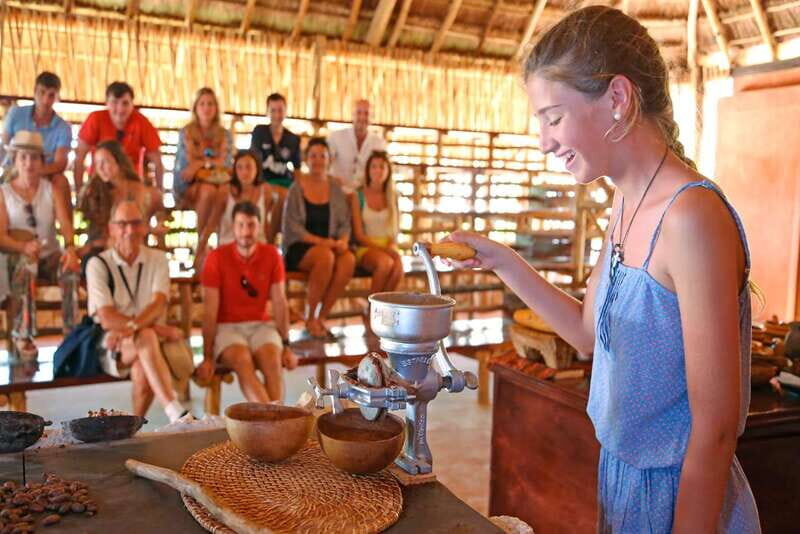
- Mayan cacao context first: You start with why cacao mattered in pre-modern Mayan society, then you get hands-on right after.
- Metate grinding: Expect a tactile, traditional method using a pre-Hispanic style metate rather than modern shortcuts.
- Your own handmade bar: You’ll leave with a bar you personally crafted, made from cacao and simple additions.
- 13-chocolate tasting at the boutique: The tasting portion is a big payoff after the making part.
- Hands-on help from the guide: Past sessions highlight guides like Paty, Roberto, and Eduardo stepping in to assist with grinding and questions.
- Bring cash: Comfortable clothes and cash are specifically recommended for the experience.
Chocolate Making in Cozumel: The Story You Actually Get to Use
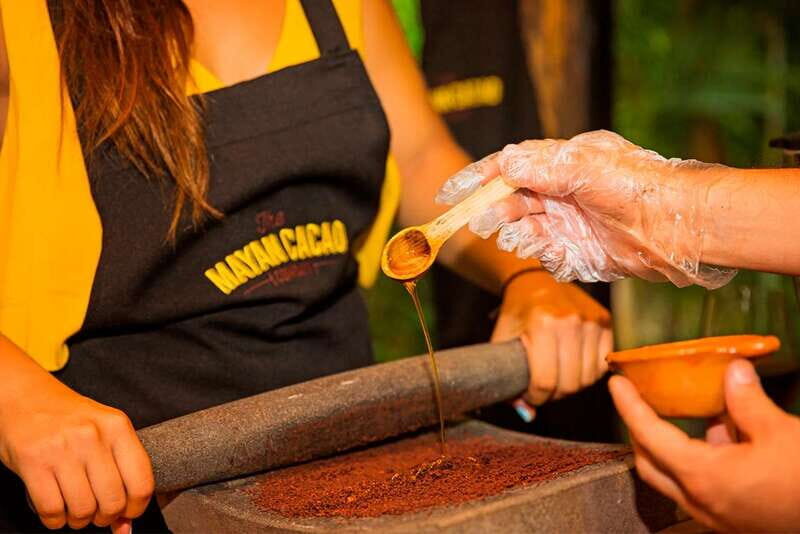
Cozumel is often sold as beaches and day trips, but this workshop gives you a different kind of local connection. The vibe isn’t museum-quiet. It’s more like a classroom where you can smell cacao, handle ingredients, and ask questions while you work.
The format is smart. You don’t start with a tasting flight. You start with why cacao mattered to the Mayans—how it functioned as something sacred, a sign of prestige, and a social centerpiece tied to culture and religion. That background matters because when you later grind seeds and form a bar, you understand what you’re doing beyond the novelty.
I also like that the presentation is grounded in process. You’re not just learning facts; you’re learning the steps—how cacao seeds were used in ritual and ceremony, how they’re transformed into chocolate, and why the method itself is part of the tradition.
Other Cozumel tours we've reviewed in San Miguel De Cozumel



The Meeting Point, Timing, and What to Bring
This activity meets at The Mayan Cacao Company. Plan to arrive 15 minutes early. That buffer helps you get oriented and settled before the workshop begins, especially since the session is only 1.5 hours total.
For what to bring, keep it simple:
- Comfortable clothes (you’ll be standing and working)
- Cash (the workshop specifically asks for it)
Hotel pickup and drop-off aren’t included, so you’ll need to get yourself to the meeting point. Also, food and drinks aren’t included, so come with water in mind—or plan to grab a drink nearby before or after.
Language-wise, you can expect instruction in Spanish and English, which is a big help if you want to follow everything clearly without switching to guessing mode.
Step-by-Step: What Happens During the Mayan-Style Chocolate Workshop
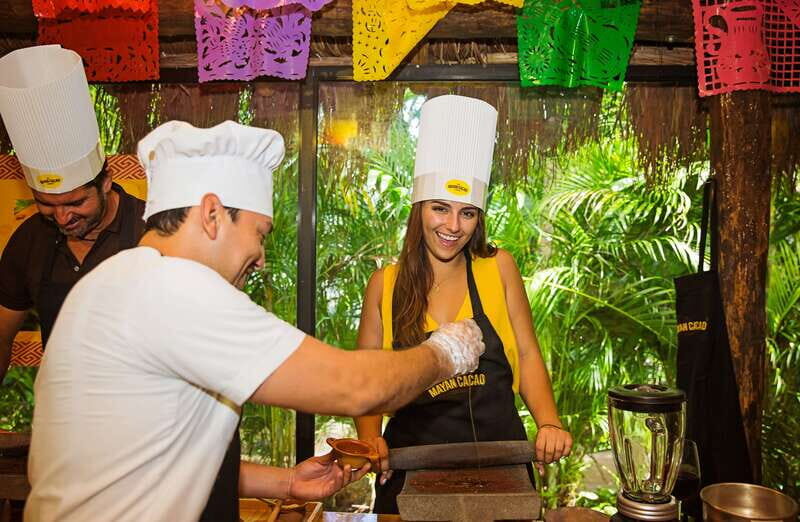
The workshop has a clear flow, and that’s part of why it works well. It moves in the same order you’ll experience it:
1) Cacao’s role in Mayan culture
You’ll begin with an explanation of how cacao fit into pre-modern Mayan society. The tour frames cacao not just as a treat, but as something tied to status and ceremonies. This is where you get context for what comes next.
If you’re the kind of person who hates doing something without knowing why, this is the part that makes the rest click. Chocolate becomes a cultural craft, not a random candy-making booth.
2) The traditional chocolate-making process
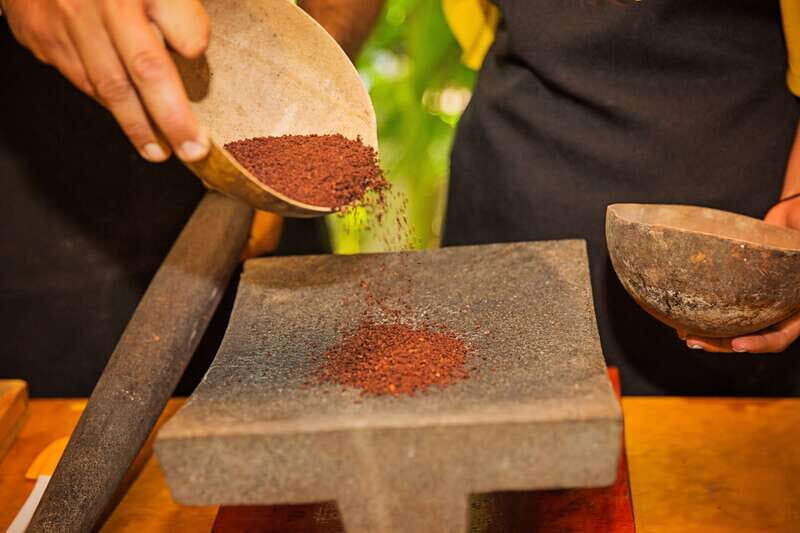
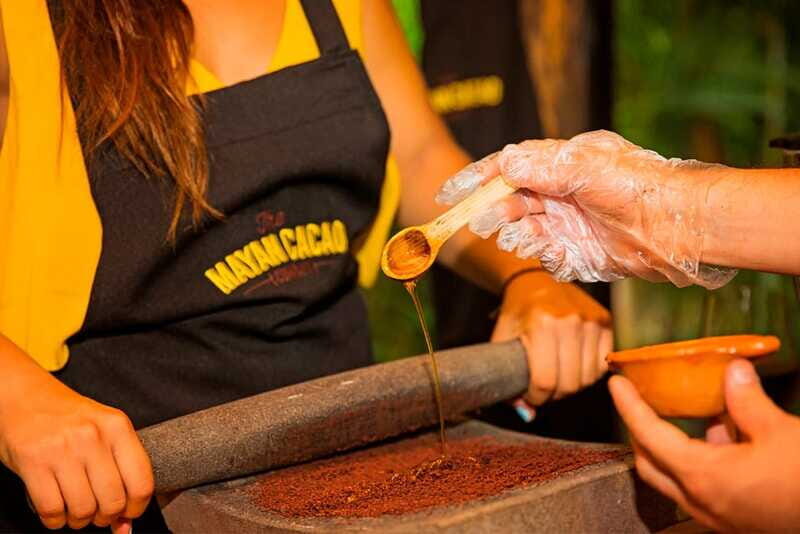
Next comes the hands-on work. You’ll walk through how cacao seeds were processed using a traditional pre-Hispanic approach. The big action here is grinding on a metate—a method that feels old-world and hands-on, with texture you can actually feel.
It’s also the portion where the guide’s role matters. Several past sessions highlighted guides taking extra care to help with the grinding, especially if you want to get it right or if you’re not sure what the desired consistency should look like. That kind of back-and-forth turns it from a one-way demo into an actual class.
Other Mayan ruins tours we've reviewed in San Miguel De Cozumel


3) Mix, shape, and make your own chocolate bar
After grinding, you’ll mix in simple ingredients and create your own handmade chocolate bar. This part is where the workshop earns its keep: you don’t just sample chocolate—you make one.
Think of it as both craft time and learning time. You’re practicing a process, and you’re also watching how the guide translates cultural tradition into steps you can do in real life.
What can slow you down?
You only have 1.5 hours, so the pace is intentional. If you’re prone to lingering and taking lots of photos, keep an eye on timing so you still get full help for the grinding and shaping stages.
The Boutique Tasting: Why the 13-Chocolate Stop Matters
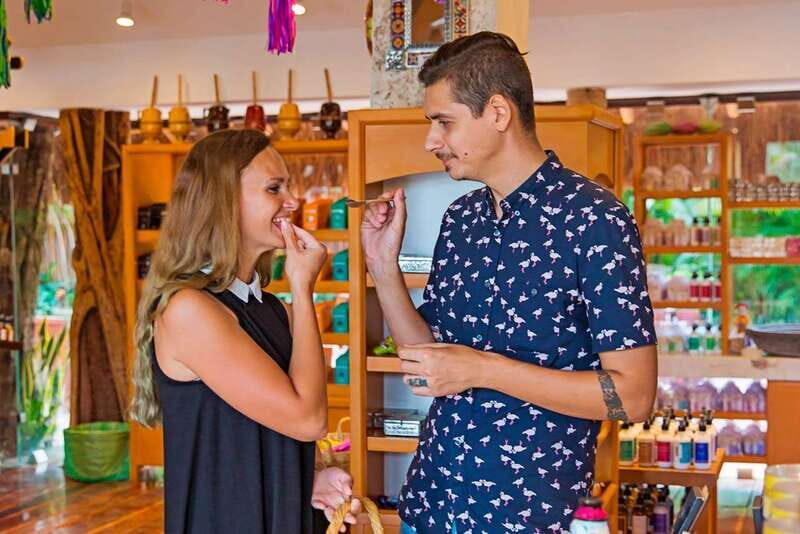
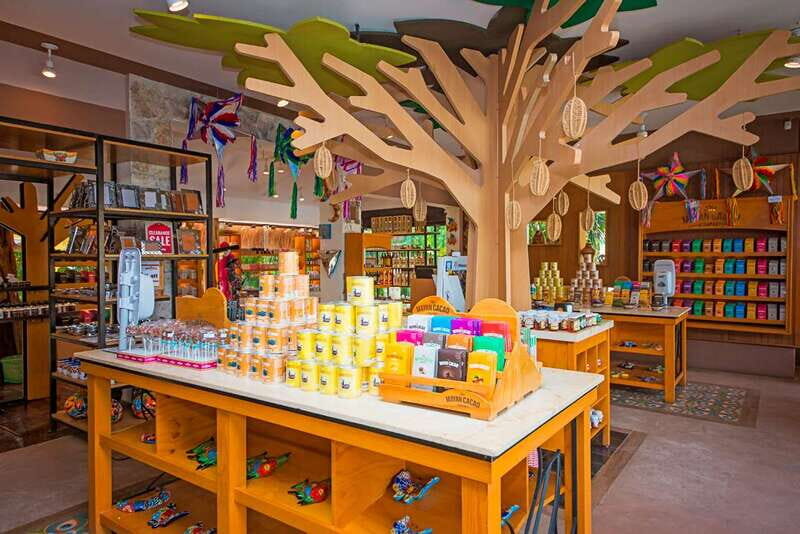
After you finish your bar, you move into the boutique and taste 13 different artisanal chocolates. This is the payoff section, and it changes how you judge the experience.
Instead of leaving with only your homemade bar, you get comparisons—different flavors, textures, and styles. Even if you’re not a hardcore chocolate person, that tasting makes you better at recognizing what you liked and why.
It also helps you avoid the common problem with short workshops: making something once, then having nothing to compare it to. Here, the tasting gives you a second chance to connect the craft to results.
If you want to maximize this portion, go in with a simple goal: notice the differences. Even basic notes like sweetness level or intensity of cacao flavor are enough to make the tasting feel meaningful rather than random.
Price and Value: Is $40 a Fair Deal for 90 Minutes?
At $40 per person, this isn’t the cheapest Cozumel activity—but it’s also not trying to be. You’re paying for more than admission. Your price covers the entrance fee, the chocolate tasting, and the ingredients and tools to make your bar.
Here’s why that can feel like solid value:
- You get a hands-on product at the end (your own bar)
- You get a guided cultural lesson tied directly to cacao use
- You get a structured tasting with 13 samples, which extends the experience well beyond craft time
A drawback on value is the limited duration. Because it’s only 1.5 hours, it won’t feel like a long, slow activity. If you want something you can stretch into a full afternoon, you may feel a little “done and dusted” when it ends.
Still, for people who like focused, hands-on travel experiences, this price often lands in the sweet spot.
Who This Workshop Is Best For (And Who Should Skip It)
This is a great fit if you like practical experiences. You’ll enjoy it most if you:
- Want a cultural activity that includes your hands, not just your ears
- Like chocolate and want to understand cacao beyond dessert
- Prefer shorter, structured activities that don’t eat your whole day
It can also work well for families, since the workshop is interactive and centered on a fun final product. One parent-style detail that comes up in past experiences is that kids often enjoy having their own bar to take home and share.
Who should skip it:
- Anyone with chocolate or nut allergies (it’s not recommended)
- Anyone with food allergies in general, since this is a food-focused workshop
- Anyone who needs wheelchair access, because it isn’t wheelchair accessible
Language, Group Energy, and How to Get More Out of It
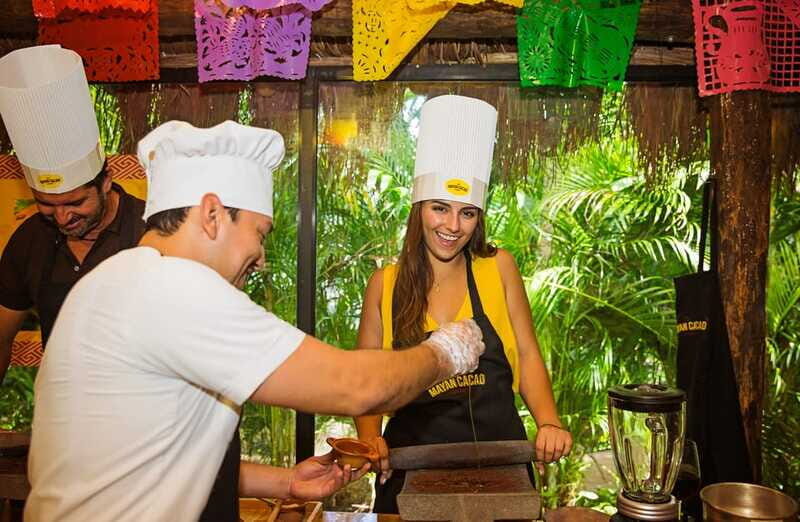
A key part of the experience is the guide. The best sessions seem to be the ones where the guide answers questions and checks that everyone is keeping up during the hands-on grinding.
In particular, names that stand out from prior sessions include Paty, Roberto, Eduardo, and others—often described as friendly, attentive, and willing to spend extra time when the group is smaller. If your group happens to be only a few people, you’re likely to get more direct help, especially during the metate grinding step where technique makes a difference.
You can help yourself here too:
- Ask questions during the cultural part, not just after
- Take your time during grinding, and don’t be shy about asking what consistency the guide is aiming for
- Treat the tasting as your chance to compare flavors, and ask what makes each sample different if you get the opportunity
Quick Practical FAQ
FAQ
How long is the Cozumel chocolate workshop?
The workshop runs for 1.5 hours.
What does the workshop cost?
It costs $40 per person.
What’s included in the price?
Your ticket includes the Mayan Cacao Company entrance fee, chocolate tasting, and the ingredients and tools to make your chocolate bar.
Where do I meet for the activity?
Meet at The Mayan Cacao Company.
Is hotel pickup or drop-off included?
No. Hotel pickup and drop-off are not included.
What languages are the instructors?
Instruction is available in Spanish and English.
Is this workshop suitable for people with chocolate or nut allergies?
No. It is not recommended for guests with chocolate or nut allergies.
Is the tour wheelchair accessible?
No. The tour is not wheelchair accessible.
Can I cancel and get a refund?
You can cancel up to 24 hours in advance for a full refund. It also offers reserve now & pay later.
Should You Book This Cozumel Chocolate Workshop?
If you want a short, hands-on cultural experience in Cozumel, I think this workshop is worth serious consideration. The combo of learning cacao’s role, making your own bar, and then tasting 13 chocolates turns it from a simple activity into a full chocolate education in a small block of time.
Book it if you can handle cacao-based ingredients (and you don’t have food or nut allergies), you’re okay with no hotel pickup, and you like interactive classes. Skip it if allergies or mobility access are concerns.
Bottom line: this is one of those trips where you leave with a souvenir that also makes sense, because you helped create it.