REVIEW · TULUM
Freediving Intro for Beginners in a Cenote in Tulum Mexico
Book on Viator →Operated by Freedive Utopia · Bookable on Viator
Breath-hold skills, set in clear cenote water. This beginner-focused session in Casa Cenote is built for learning the basics fast: breathing, equalizing, gear setup, and supervised drills, all before you spend real time moving through the water. I like the clear coaching and the fact that you get to practice in a controlled way, not just jump in. I also like the small group size (max 4), which keeps attention on you. One drawback to consider: you must sign a medical release before getting in the water, so don’t assume you can skip paperwork.
A big part of the appeal is access. This experience is designed for areas that are off limits for walk-in visitors, which usually means fewer distractions and a smoother training flow. You’ll head to the cenote after a short ride from central Tulum, then get a structured instructor briefing right on site. You’re in the water around 1.5 to 2.5 hours, depending on the group.
And you leave with proof you learned. The included underwater videos give you a way to review what went well and what to work on next time. Just plan for the essentials: snacks and bottled water aren’t included, so bring your own or expect to buy something before and after.
In This Review
- Key highlights I’d put at the top
- Casa Cenote access for off-limits areas (and why it matters)
- Gear, safety brief, and small-group guidance (max 4)
- Before you go under: breathing, equalization, and what you’ll practice
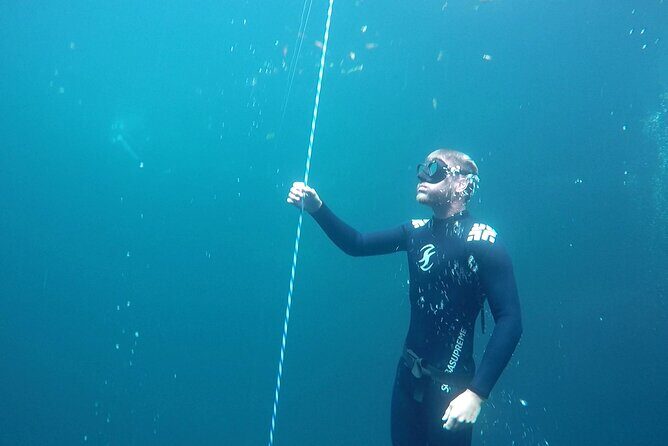
- The underwater session: 7-meter max, drills, and realistic timing
- Clear-water mangrove swim-throughs and included underwater videos
- Tulum pickup, private transport, and staying on schedule
- Price of $214.94: what makes it worth it (and what’s extra)
- Should you book this beginner cenote breath-hold intro?
- FAQ
- How long is the freediving intro experience in the cenote?
- What’s the maximum depth?
- Is private transportation included?
- What gear is provided?
- Are underwater videos included?
- Where do I meet the tour?
- Does the tour offer pickup from anywhere in Tulum?
- What language is the instruction in?
- How many travelers are in a group?
- Do I need to sign a medical release?
Key highlights I’d put at the top
- Small groups up to 4 means more time with your instructor and less waiting around
- Casa Cenote training access helps you practice without the chaos of walk-in crowds
- Full gear package included (mask, snorkel, fins, wetsuit, weight belt + weights)
- Maximum depth 7 meters / 23 feet keeps this beginner-friendly and controlled
- Underwater videos included so you can spot improvements after your session
- English instruction and private transport to reduce stress in Tulum logistics
Casa Cenote access for off-limits areas (and why it matters)
If you’ve ever tried to learn a water skill in a busy place, you know the problem: people are watching, paths are narrow, and timing gets messy. This course is set up to avoid that. You go to Casa Cenote and spend time in parts that are not open to walk-in visitors, so your instructor can run you through technique without everyone else mixing into the same space.
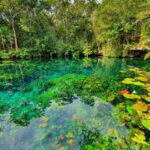
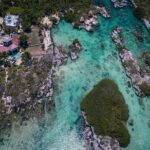
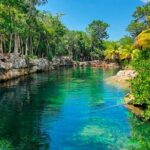
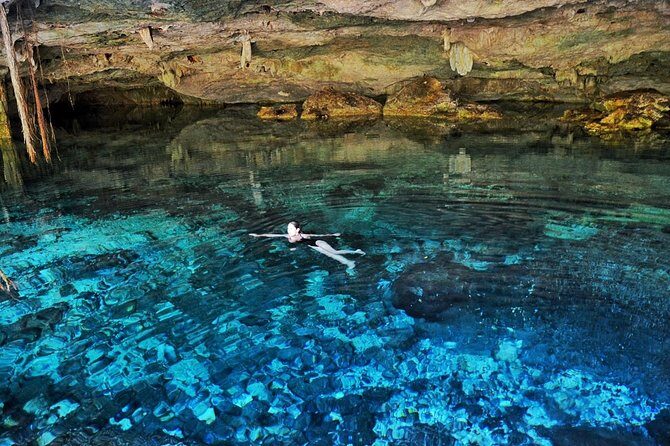
I also like what that means for the vibe. Training sessions work best when you can focus on your breathing and movements. The cenote here is known for its clear water and the mangrove feel around it, and your route inside can be more “course-like” rather than “free roaming.” For beginners, that structure helps you progress instead of just surviving the experience.
One more detail that makes a difference: the day is built around coaching. You’re not left to figure things out on your own, and you’ll get reminders and adjustments as you go. That’s exactly what you want when you’re new to breath-hold habits.
Other Tulum ruins tours we've reviewed in Tulum
Gear, safety brief, and small-group guidance (max 4)
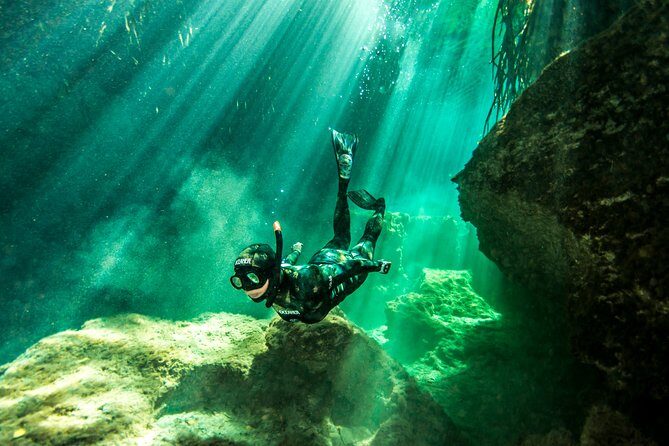
The best part of any beginner water course is attention. Here, that attention is supported by a maximum of 4 travelers. In practical terms, it means your instructor can watch your equalization timing, your breathing patterns, and how you put on the gear without turning it into a production line.
You get the full setup: a mask, snorkel, fins, wetsuit, weight belt, and weights. This matters for first-timers because it removes guesswork. You don’t have to shop for gear in Tulum, and you don’t have to worry about whether you brought the right weight or the right fit.
Before anyone enters the water, you’ll get a briefing from the instructor on the basics: breathing for breath-holds, equalization techniques, and how to get suited up. You also get guidance on donning and adjustments, which is where a lot of comfort comes from.
A standout detail from the experience is the instructor’s teaching style. Esteban is specifically noted for being patient and detailed, and that kind of coaching is exactly what helps you learn faster than you expect. You should come away with a sense of progress, not just a photo-op.
Before you go under: breathing, equalization, and what you’ll practice
Before you hit the water, you’re taught the mechanics. That’s not a throwaway “safety talk.” It’s the core of the day, because breath-holds aren’t only about going down—they’re about staying calm and controlled.
Here’s what you should expect from the instruction phase:
- Breathing basics: you’ll learn how to manage your breath rhythm before each attempt
- Equalization: you’ll be guided through how to balance pressure as you descend
- Equipment donning: you’ll learn how the gear should feel and how to set yourself up properly
- Simple technique drills: you’ll start familiarizing in shallow conditions before progressing
The goal is to help you reduce uncertainty. When you know what comes next, you worry less, and your body cooperates more. That’s especially important for beginners, because nerves can make breathing feel harder than it actually is.
Also, you’ll have supervision while you learn. This is a big safety factor: your instructor is watching your form and your timing, then nudging you through corrections.
One practical note: you will have to sign a medical release. The tour data doesn’t describe medical screening steps beyond that, but it’s smart to be honest about anything that might affect water safety.
The underwater session: 7-meter max, drills, and realistic timing
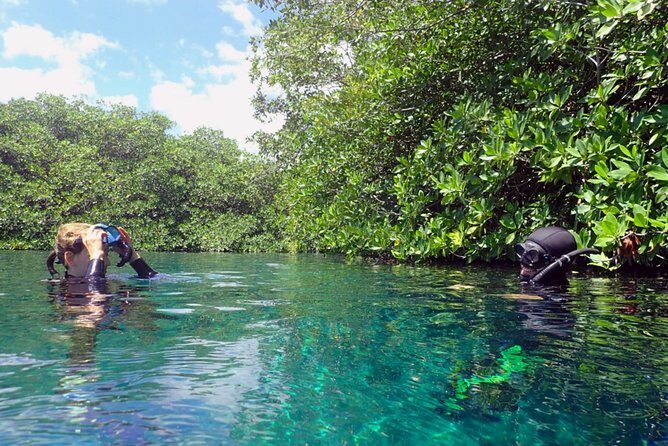
Once you’re in the water, the session is structured in stages. First comes familiarization: you’ll get comfortable with the gear and the environment, then work through basic drills.
After that, you slowly progress. The plan is designed around a maximum depth of 7 meters / 23 feet, which keeps the experience aligned with beginners and avoids turning it into a technical challenge. In your head, you can think of it as learning the sequence rather than forcing big depth goals.
Timing is another key factor. Total time in the water varies by group size, usually 1.5 to 2.5 hours. If the group is larger (within the max of 4), you might spend more time rotating, and the instructor may pace drills slightly differently. If the group is smaller, you may get more practice per attempt.
What I’d focus on as a first-timer: quality beats speed. Your instructor will guide your breathing and equalization so you can move smoothly. The lesson isn’t just to go down and come back. It’s to develop a repeatable rhythm.
You’ll also likely do short swim work, including controlled movement through the cenote under supervision. The whole point is to apply what you learned while staying within the safe training limits.
Clear-water mangrove swim-throughs and included underwater videos
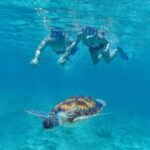
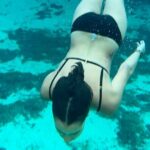
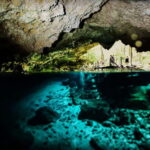
The cenote experience here isn’t only about drills. After you get comfortable, you’ll apply skills in more dynamic movements through the water. The mangroves and the clear visibility are part of the appeal, because they make it easier to orient yourself and focus on technique.
As you progress, you can expect supervised swim-throughs in the cenote. This is where the training starts to feel like an actual experience, not just a checklist. You practice while moving, and you learn how to stay calm in motion while holding breath longer than you’re used to.
Then there’s the bonus: underwater videos are included. That’s a rare and genuinely useful add-on for beginners. I like this because it helps you understand what you felt versus what you actually did. Esteban is specifically praised for taking videos that help you see areas to improve, which is exactly what makes video feedback valuable—you can adjust for your next attempt right away, and later you can reflect on what worked.
Bring a realistic mindset. You’re not being graded like a course exam. You’re learning a skill set with guidance and feedback. The video gives you a record of movement you can use to refine your technique next time you’re near water.
Other cenote tours we've reviewed in Tulum
- Selva Maya Eco Adventure Park: Ziplining, Hanging Bridges, Rappelling and Cenote
★ 5.0 · 1,057 reviews

Tulum pickup, private transport, and staying on schedule
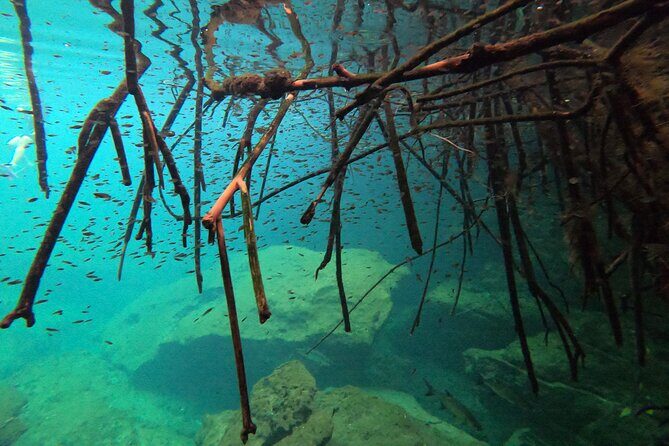
Tulum logistics can eat a day. This tour tries to protect your time with private transportation to and from the cenote outside of the busier zones.
The ride is short—about a 15-minute drive from the pick-up point in central Tulum. You’ll start at Ki’bok Coffee Tulum (Avenida Zamna, Calle 12 Sur, La Veleta). And you return back to that same meeting point at the end.
Important pickup detail: pickups are limited to hotels and stays in Tulum downtown. The tour data specifies they won’t do pickups from the beach/hotel zone, not from Aldea Zama, and not from La Veleta. If you’re staying in a different area, plan on meeting at Ki’bok Coffee instead of expecting a door-to-door ride.
Group size also affects pacing. With up to 4 people, the day typically feels smoother and less rushed. Your instructor won’t have to repeat the same adjustments for a crowd. For first-timers, that reduction in waiting time can be the difference between feeling nervous or feeling ready.
Price of $214.94: what makes it worth it (and what’s extra)
At $214.94 per person, this isn’t a cheap cenote add-on. So here’s how I’d judge value: you’re paying for instruction quality, equipment, transport, and the training design.
What you get included:
- Full gear (mask, snorkel, fins, wetsuit, weight belt + weights)
- Private transportation
- All fees and taxes
- Underwater videos
What you should budget for on your own:
- Snacks
- Bottled water
If you’ve ever priced beginner equipment in Mexico, you know gear can add up fast—especially if you want things fitted and ready to use. Here, you’re not doing that work. You also have private transport and fees handled, which reduces the usual “small costs” that appear when you try to DIY.
The best value angle is the small group and supervision. You’re paying for time with the instructor while you build breath-hold basics under safe limits like the 7-meter maximum. For many people, that’s worth more than squeezing into a larger, cheaper group where you get less attention.
And remember the day structure. Total duration is about 5 hours. That time includes getting to the cenote, training, and returning. If you only care about one short photo moment in water, this might feel like overkill. If you want to learn something and improve, it makes more sense.
Should you book this beginner cenote breath-hold intro?
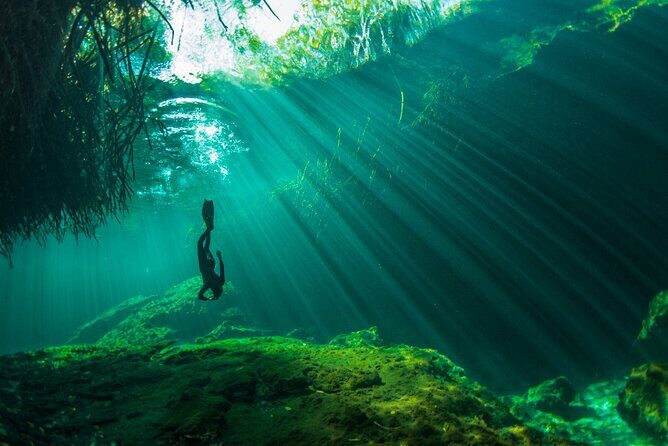
Book it if you want a calm, coached start in a cenote setting. The course fits you best when you’re new to breath-hold training and want step-by-step guidance on breathing, equalization, and gear setup. I’d also recommend it if you like feedback you can review—those underwater videos are genuinely helpful for learning.
Skip or think twice if paperwork is a deal-breaker. You’ll need to sign a medical release, and the tour is structured around that requirement. Also, if you’re expecting snacks and bottled water to be handled, plan ahead since those aren’t included.
Finally, consider your location in Tulum. Pickup is limited to Tulum downtown. If you’re staying outside that area, you’ll likely meet at Ki’bok Coffee Tulum, so plan your morning accordingly.
If you get the logistics right and you show up ready to learn, this is the kind of beginner course that leaves you feeling you gained skills—not just memories.
FAQ
How long is the freediving intro experience in the cenote?
It’s approximately 5 hours total. Time in the water can vary by group size, typically between 1.5 and 2.5 hours.
What’s the maximum depth?
The maximum depth is 7 meters / 23 feet.
Is private transportation included?
Yes. Private transportation to and from the cenote is included.
What gear is provided?
The tour includes full gear: mask, snorkel, fins, wetsuit, weight belt, and weights.
Are underwater videos included?
Yes. Underwater videos are included.
Where do I meet the tour?
The start location is Ki’bok Coffee Tulum, Avenida Zamna, Calle 12 Sur, La Veleta, 77760 Tulum, Q.R., Mexico. The tour ends back at the same meeting point.
Does the tour offer pickup from anywhere in Tulum?
Pickup is only available from hotels and stays in Tulum downtown. It is not available from the beach/hotel zone, Aldea Zama, or La Veleta.
What language is the instruction in?
The tour is offered in English.
How many travelers are in a group?
The maximum group size is 4 travelers.
Do I need to sign a medical release?
Yes. All participants must sign a medical release before participating.

More Tour Reviews in Tulum
- Selva Maya Eco Adventure Park: Ziplining, Hanging Bridges, Rappelling and Cenote
★ 5.0 · 1,057 reviews
More Cenote Tours in Tulum
- Selva Maya Eco Adventure Park: Ziplining, Hanging Bridges, Rappelling and Cenote
★ 5.0 · 1,057 reviews