REVIEW · PLAYA DEL CARMEN
Scuba Diving in Cenote Kukulkan from Playa del Carmen
Book on Viator →Operated by The Cenote Guy · Bookable on Viator
Cenote Kukulkan hits different. I love how this is set up for a small group (max 4), which means more attention from your guide when you’re setting up and when you’re in the water. I also like the round-trip transfers from Playa del Carmen, plus the fact that your scuba gear is already staged for you at the start.
The only thing to watch is the entrance fee is not included. You’ll pay MX$300 per person for the Cenotes sites once you’re there, so it helps to budget for that on top of the tour price.
In This Review
- Key Points Worth Knowing
- Meeting at Fruit Stand Centro: The Morning That Actually Starts Easy
- The 30-Minute Ride: Cenote Context and Your Plan for the Day
- On-Site Setup: Equipment Ready, Tank Checked, Confidence Built
- Two Underwater Sessions on Two Lines: How the Timing Really Works
- What You’ll Actually See: Light Refractions, Calm Stops, and a Guide Who Explains
- Lunch After the Water: Typical Mexican Food and a Realistic Meal Plan
- Transfers, Gear Rental, Snacks, and the Entrance Fee Math
- Who This Cenote Kukulkan Scuba Experience Fits Best
- Small-Group Format: Why Max 4 Changes Your Whole Day
- Quick Practical Tips Before You Go
- Should You Book Cenote Kukulkan With The Cenote Guy?
- FAQ
- What time does the experience start, and how long does it last?
- How many people are in the group?
- What scuba certification do I need?
- Are the Cenote entrance fees included?
- Are underwater cameras allowed?
- Who should avoid this tour?
- Is free cancellation available?
Key Points Worth Knowing
- Max 4 people keeps the day calm and personal
- Gear handled for you so you start the morning focused, not scrambling
- Tank pressure check + detailed gear inspection before you go under
- Two underwater sessions on two different lines, with a surface break timed by the first one
- A typical Mexican lunch ends the day, and your meal may be a sandwich option if needed
- Open Water certification is mandatory and there are a few health and timing limits
Meeting at Fruit Stand Centro: The Morning That Actually Starts Easy
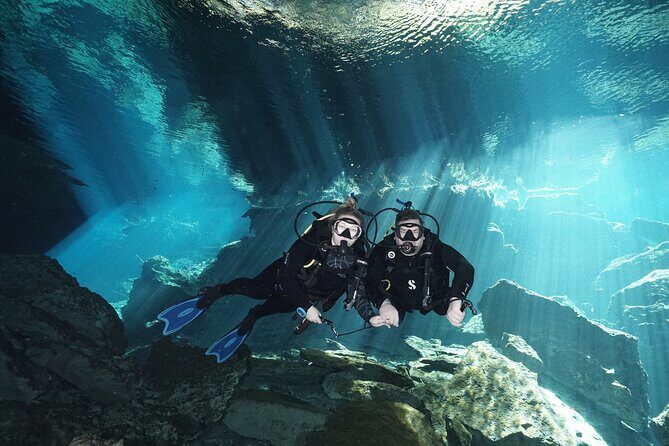
Your day starts early, with pickup coordination that keeps things straightforward. You meet at Fruit StandCentro, 77710 Playa del Carmen, at 8:00 a.m. The tour is designed so you’re not waiting around while someone hunts down equipment.
One of the practical wins here is that your scuba gear is already in the vehicle before you even arrive on-site. That cuts the usual stress: no awkward delays, no standing in the sun guessing what you’re missing. You get moving toward the cenote while the group is still fresh and awake.
This is also an English-offered experience, so you won’t be stuck piecing together instructions. And because it ends back at the same meeting point in Playa del Carmen, the logistics stay simple—one less thing to think about.
Other cenote tours we've reviewed in Playa del Carmen
The 30-Minute Ride: Cenote Context and Your Plan for the Day
The drive to the cenote takes about 30 minutes. While you’re riding, your guide fills you in on what’s coming next, including how the day’s underwater time will be structured.
What I like most during this ride is the way the guide connects the site to Cenotes and Mayan culture. You’re not just getting a checklist for equipment and timing—you get context for why cenotes mattered and why people still treat these freshwater places with respect. It makes the stops later feel more intentional.
You’ll also get an early chance to talk about your own experience level. The guide asks about your previous scuba experience, then offers practical tips to help you feel comfortable. If you’re confident already, you’ll still appreciate the reminders; if you’re rusty, you’ll like hearing what to focus on before you’re suited up.
On-Site Setup: Equipment Ready, Tank Checked, Confidence Built
When you arrive, you’re not dropped into chaos. You prepare your equipment on the premises, and your guide works through the critical checks with you.
Here’s where the day feels high-value: together, you verify that everything is set properly before going any further. The guide also checks the tank’s pressure and does a detailed inspection. This matters because even experienced divers can get flustered if the setup skips a step—here, the guide keeps it methodical.
Before any underwater time begins, you also take a quick walk around the area to get familiar with the entry point and the route you’ll follow. That small step reduces uncertainty. You’re basically learning where you’ll be starting and where you’ll be headed, so once you’re in the water, you can pay attention to the sights instead of your bearings.
Then comes the security and readiness talk. Expect a safety and underwater briefing before the first session, and expect the guide to adjust pace and cues based on what you tell them about your background.
Two Underwater Sessions on Two Lines: How the Timing Really Works
The program is built around two underwater sessions on two different lines. That sounds technical, but you’ll feel the difference in practice.
After the first underwater portion, your guide determines the surface interval based on how that first session went. This timing choice is a big deal for comfort. It helps you reset, control breathing, and avoid rushing into the second part.
Between the two sessions, you get a moment to come up and regroup. Your guide keeps it organized so you’re not waiting around for the group to catch up, especially since the group size stays small (max 4).
If you care about photography: you should know you cannot use underwater cameras on this activity. You can still enjoy the experience fully, but plan to rely on your memory and on what you can shoot safely above the water if that’s allowed by the operator’s rules.
What You’ll Actually See: Light Refractions, Calm Stops, and a Guide Who Explains
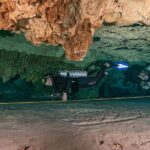
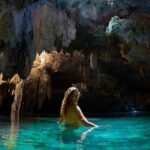
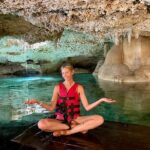
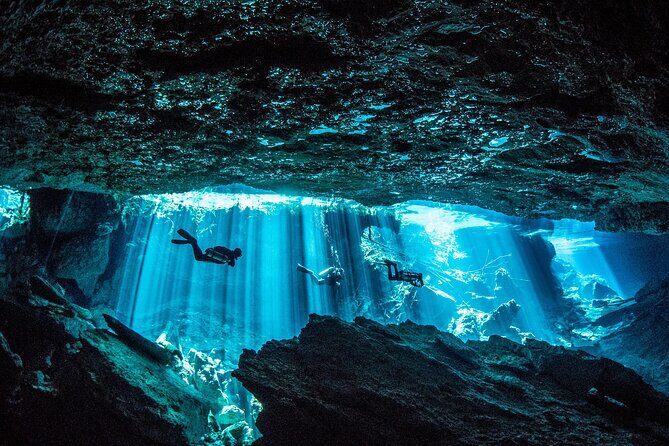
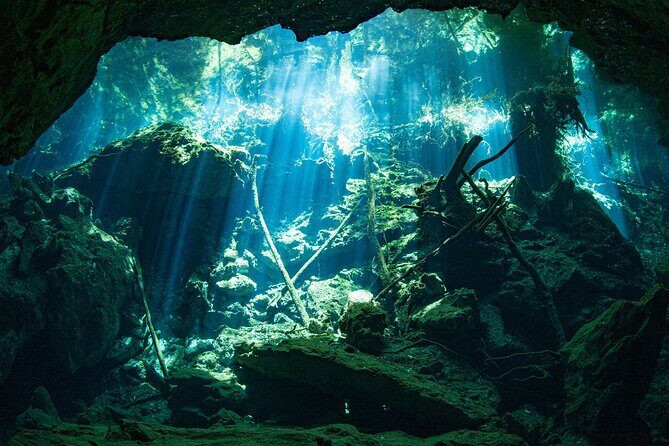
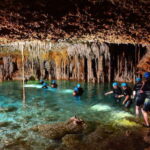
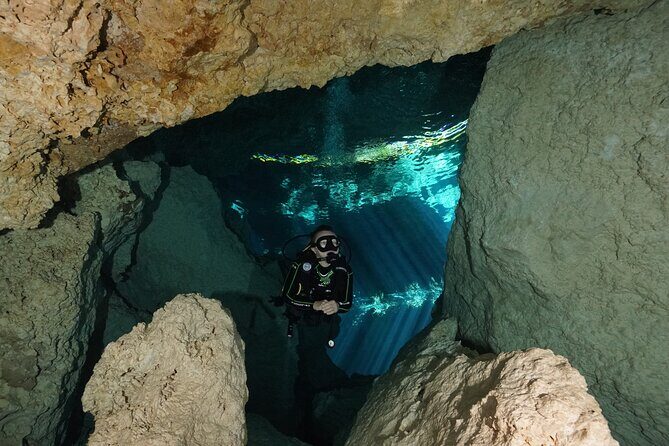
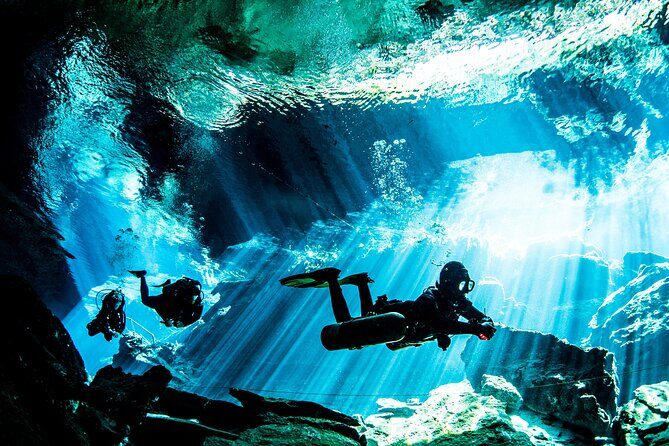
Cenote Kukulkan is famous for how the light behaves underwater. And with this tour, you don’t just rush through it.
In particular, I love the way guides make right stops along the way so you can pause and take in what’s happening with the water and light. This is where the small-group setup really helps—you’re not forced to keep up with a big crowd that’s all moving at once.
Your guide also shares the scientific and visual side of what you’re seeing. One guide named Remi gets high marks for explaining the scientific background of the cenote environment and for making the experience feel clear rather than mysterious. If you like understanding what you’re looking at—how light refracts, why the view changes as you move—that kind of explanation turns the underwater time into something more meaningful.
Even if you’re there purely for the scenery, those planned pauses add value. You’re more likely to remember specific moments instead of only remembering you were underwater.
Other Playa del Carmen tours we've reviewed in Playa del Carmen



Lunch After the Water: Typical Mexican Food and a Realistic Meal Plan
After the two underwater sessions, you head into the next part of the day: a meal together. The timing brings you back to the restaurant area so you can fuel up without dragging the schedule into the late afternoon.
Lunch is described as typical Mexican food. One practical note: COVID-related restrictions can limit which restaurants you can use, so you might be given sandwiches instead. That doesn’t mean you get less food—it means the operator keeps the plan flexible if seating or choices are restricted that day.
The schedule is a good one. You’re back in Playa del Carmen around 2:30 to 3:00 p.m. That means you can still plan an evening out without feeling wrecked by a full-day drive-and-drift tour.
Transfers, Gear Rental, Snacks, and the Entrance Fee Math
This is where value shows up clearly.
Included in the price:
- a professional multilingual guide
- snacks and refreshment throughout the day
- scuba equipment rental
- transportation from your meeting point
- typical Mexican lunch
Not included:
- entrance fees to both Cenotes at MX$300 per person
So the real budgeting equation is simple. If you already know you’ll need gear, transportation, and lunch, those inclusions reduce the usual hidden costs people forget when comparing tours. You’re also spending your money on a guide-led small-group structure, not just renting equipment and hoping for the best.
The one clear extra you must plan for is the entrance fee. Since it’s per person, it can matter more for groups of friends. If you’re calculating total cost, add that MX$300 per person before you commit, and you’ll avoid surprise.
Who This Cenote Kukulkan Scuba Experience Fits Best
This tour is aimed at people who want a structured, safety-first underwater experience in Cenote Kukulkan, without a giant group.
It suits you if:
- you have at least Open Water scuba certification (this is mandatory)
- you enjoy a guide who explains the site, not just the rules
- you like being in a small group and getting personal check-ins
It may not be a great match if:
- your last scuba experience was long ago, because the activity notes that your last experience should be at least 6 months ago
- you have certain medical concerns, since it isn’t recommended for people with heart problems or other serious medical conditions
- you’re planning to fly soon, because it’s noted as not suitable 12 to 18 hours before taking a plane
Also keep in mind the age rule: minimum 15 years old. If you’re booking for a younger teen, you’ll need another option.
Small-Group Format: Why Max 4 Changes Your Whole Day
A group size of up to 4 might sound like a minor detail, but it affects everything you feel on the day.
With fewer people:
- the guide can spend more time on your gear checks
- you get clearer instruction and fewer distractions
- you’re more likely to keep your pace during setup and briefings
- the stops during underwater time feel purposeful instead of rushed
That’s why this tour has such strong feedback—people consistently praise the feeling of safety, attention, and the guide’s ability to explain what’s happening down there.
And if the name Remi comes up when you’re matched with your guide, that’s a good sign based on the notes you were given. He’s specifically associated with detailed explanations and with pauses timed so you can actually take in the cenote’s light effects.
Quick Practical Tips Before You Go
You’ll be much happier if you plan these details up front.
- Bring your scuba certification info with you. Scuba certification is mandatory at minimum Open Water level.
- Plan your day around the schedule: you start 8:00 a.m. and you’re back 2:30–3:00 p.m.
- Don’t count on underwater cameras. Underwater cameras are not allowed.
- If you haven’t used scuba gear in a while, take the “comfort tips” from the guide seriously before you go in.
Also, since there’s a meeting point and it’s described as near public transportation, it should be easy to reach if you’re not using a hotel pickup. But the tour does include transportation from its meeting point for the experience day.
Should You Book Cenote Kukulkan With The Cenote Guy?
If you want a calm, well-led cenote scuba experience with small group attention, this is a strong pick. The tour’s structure is built around safety checks, a guide-led briefing, and two different underwater routes with a guided surface interval.
I’d especially recommend it if you care about the “why” behind what you see. When the guide explains the cenote environment and how the light works—like the examples connected to Remi—it changes the experience from just pretty to actually memorable.
The main reason to hesitate is the extra MX$300 entrance fee per person, plus the fact that certification and timing rules are strict. If you’re qualified and your schedule fits, those details won’t bother you. If you’re borderline on certification timing or you’re traveling soon by plane, you might want to choose a different activity window.
Overall: book it if you want quality instruction, thoughtful pacing, and a small-group day at Cenote Kukulkan.
FAQ
What time does the experience start, and how long does it last?
You meet at 8:00 a.m. The day runs about 7 hours, and you’re back in Playa del Carmen between 2:30 and 3:00 p.m.
How many people are in the group?
The tour has a maximum of 4 travelers, which keeps it intimate and more personalized.
What scuba certification do I need?
Scuba certification is mandatory. You need at least Open Water level.
Are the Cenote entrance fees included?
No. Entrance fees to both Cenotes are MX$300 per person and are not included.
Are underwater cameras allowed?
No. Underwater cameras are not allowed on this activity.
Who should avoid this tour?
It’s not recommended for people with heart problems or other serious medical conditions. It’s also noted as not suitable 12 to 18 hours before taking a plane, and your last scuba experience should be at least 6 months ago.
Is free cancellation available?
Yes. You can cancel for a full refund if you cancel up to 24 hours in advance of the experience start time.