REVIEW · PLAYA DEL CARMEN
The Best Ruins Tour : Coba Sunset Cultural / Extreme
Book on Viator →Operated by Coba Sunset · Bookable on Viator
Coba ruins meet jungle adrenaline. This day ties together a guided bike tour of Cobá plus hands-on Maya culture, then either an easier cultural stop or a more active extreme option. You’ll also get a cenote swim and a full dinner with a live Mayan performance.
Two things I like a lot: the way the day moves from history (Cobá’s temples) to real-life Maya experiences (pottery/food/show), and the small-group feel—up to 15 people—so the guide can actually talk and not just herd. One possible drawback to keep in mind: if a specific activity (ceramics or ziplining) is closed, at least one traveler reported there was no clear backup plan offered.
If you’re the type who enjoys doing more than just walking around ruins—while still getting a solid guided explanation—this tour is a strong fit. And if you’re prone to motion sickness or you hate wet suits and straps, the extreme version may feel like a lot of gear and adrenaline in one day.
In This Review
- Key reasons this Cobá tour works
- Cobá Sunset pickup: how the day starts from Playa del Carmen
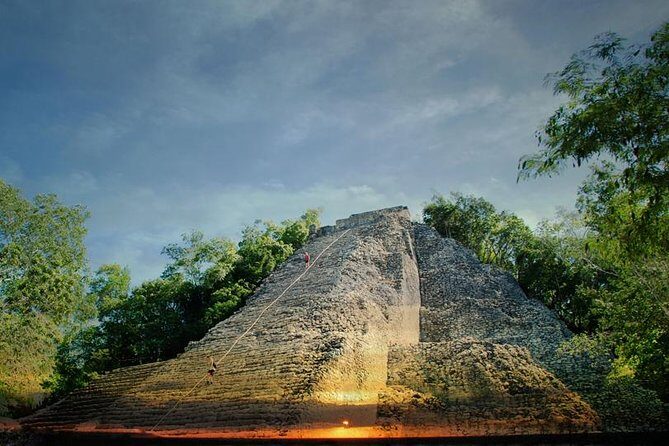
- Guided Cobá ruins on bikes: Nohoch Mul and why the pace feels right
- The cultural fork: pottery village or the extreme route
- If you choose the cultural side (Maya village + pottery)
- If you choose the sunset extreme side (ATV + cenote + ziplining)
- Cenotes and zip lines: what the water time is really like
- Dinner buffet and the Mayan show: food plus story, not just a performance
- Group size and guides: why the day can feel personal
- Price and value: how to judge this day without overpaying
- Practical tips for a smoother Cobá Sunset day
- Should you book Coba Sunset Cultural / Extreme?
- FAQ
- How long is the Cobá Sunset Cultural / Extreme tour?
- What city does this tour operate from?
- What are the pickup times?
- Is the tour offered in English?
- Do I get hotel pickup and drop-off?
- Is this tour a small group?
- What’s included if I choose the Extreme option?
- What’s included if I choose the Cultural option?
- Is there a bicycle included?
- Is the Cobá admission fee included?
- What food is included during dinner?
Key reasons this Cobá tour works
- Cobá by bike with a real guide: a guided loop that includes time at the top of Nohoch Mul for big photo views
- Choice after the ruins: Mayan village pottery/food + show, or ziplining/ATV paired with a cenote swim
- Cenotes are built in, not optional: you’re scheduled to swim in two cenotes depending on the route details
- Small group, big day: up to 15 people, while the broader tour listing says a max of 100
- Mayan dinner show included with dinner: music and dancing, a ball game segment, and an acted reading from Popol Vuh
- Driver timing matters: multiple mentions of on-time pickup and safe, professional driving
Cobá Sunset pickup: how the day starts from Playa del Carmen
Your day typically starts with hotel pickup from Cancun or the Riviera Maya area. The pickup window is listed as 11:30am to 1:30pm, and the ride to Cobá is about two hours.
This is one of those tours where timing can make or break your mood. If you want a stress-free start, I’d aim to be ready at the lobby a little early. One traveler noted the driver and group were waiting when the arrival timing was tighter than expected, and that’s a common small-tour frustration you can avoid.
You’ll ride in a vehicle used for transfers, and you’ll be paired with a professional guide for the day. The tour is offered in English, and you’ll get a mobile ticket, which is handy when you’re juggling water bottles, sunscreen, and the day’s changing plans.
Other evening experiences in Playa del Carmen
Guided Cobá ruins on bikes: Nohoch Mul and why the pace feels right
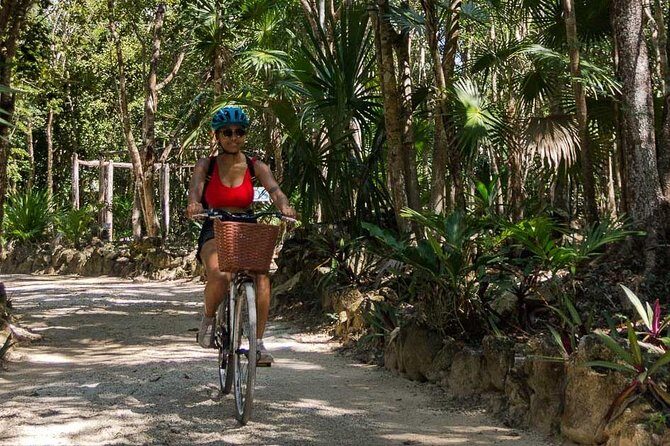
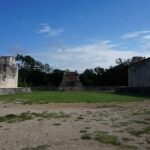
Once you arrive in Cobá, you don’t just wander. You hop on a bike for a guided tour of the archaeological zone lasting about two hours.
That two-hour bike portion matters because Cobá is spread out. The guide can connect the dots on what you’re seeing—temples, stone pathways, and major landmarks—while you cover ground without burning out early.
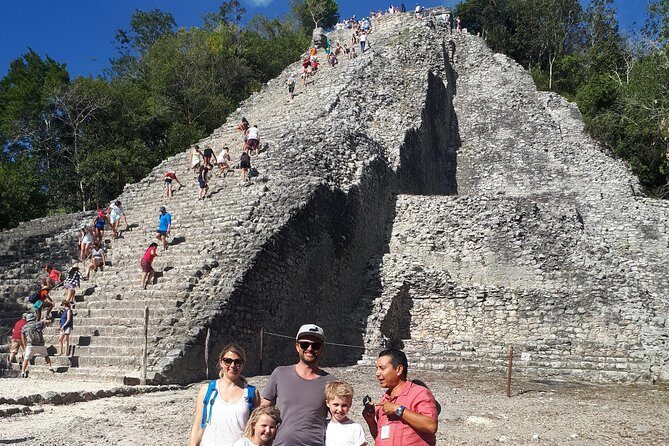
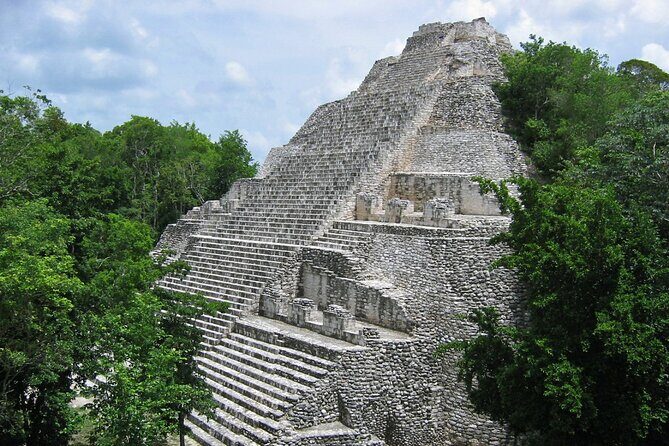
A highlight is the time at Nohoch Mul, one of the region’s taller pyramids. When you reach the top, you’ll have a moment for photos with the view behind you. One traveler also mentioned the appeal of catching a chance to climb a pyramid before rules change due to erosion concerns. Since access rules can shift, the best move is simple: follow the guide’s instructions and don’t assume any specific structure will be climbable every day.
Practical note: there’s also listed access to a bicycle for the ruins portion. If you’re not comfortable cycling, tell the team early. The tour data doesn’t spell out alternatives for riding, so it’s better to clarify upfront than to improvise on the spot.
The cultural fork: pottery village or the extreme route
After the ruins, you’ll choose what kind of Maya experience you want next. The tour describes a moment where you pick between exploring Maya culture through a village-style activity (indoors or outdoors depending on the setup) or taking a more adventure-heavy route.
If you choose the cultural side (Maya village + pottery)
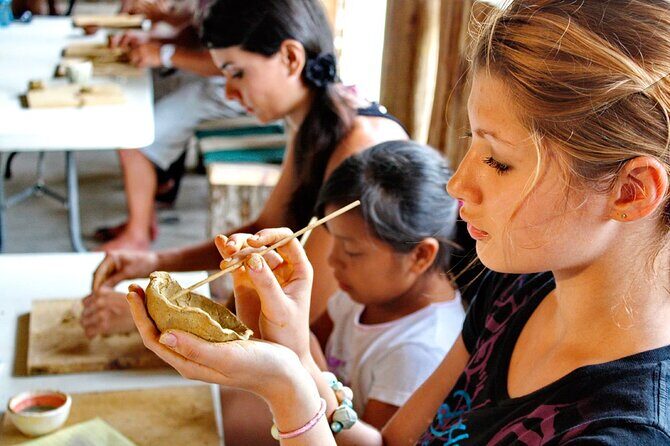
In the cultural flow, you’ll visit a Mayan village area and then do a ceramics/pottery workshop (listed as Taller de barro for about 30 minutes). It’s not just watching—this is a make it yourself stop, so you get a tangible souvenir that comes from the day, not a shelf at the airport.
You’ll also have a dance Maya segment listed for about 25 minutes. Then you move into food and water time: the cultural schedule includes food plus a cenote (about 1.5 hours).
If you choose the sunset extreme side (ATV + cenote + ziplining)
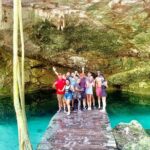
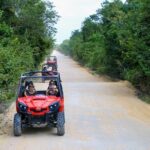
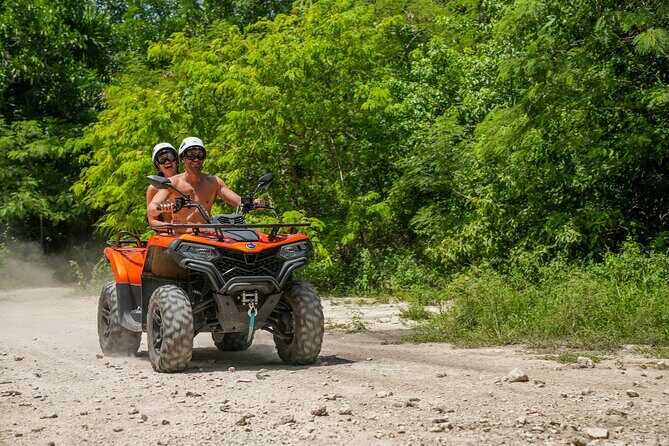
On the extreme option, you’re scheduled for an ATV adventure plus time at a caverna cenote (listed around one hour). Then comes ziplining for about 20 minutes, followed by another stretch that combines meal and cenote time.
The big difference is effort. This option is still labeled for people with moderate physical fitness, but it’s clearly more gear-heavy and higher-motion. If you’re fine with straps, uneven terrain, and sitting on vehicles that bounce over jungle paths, you’ll likely enjoy it. If you’d rather be active in a calmer way, the cultural route is usually the safer bet.
Also, keep expectations grounded: at least one traveler reported that ziplining or the ceramics workshop can be closed on certain days, and they didn’t get an alternative offered immediately. It’s not something you can control, so I’d pack patience and plan to roll with schedule shifts.

Cenotes and zip lines: what the water time is really like
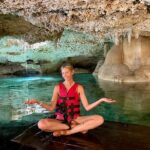
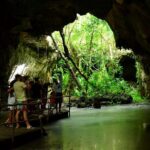
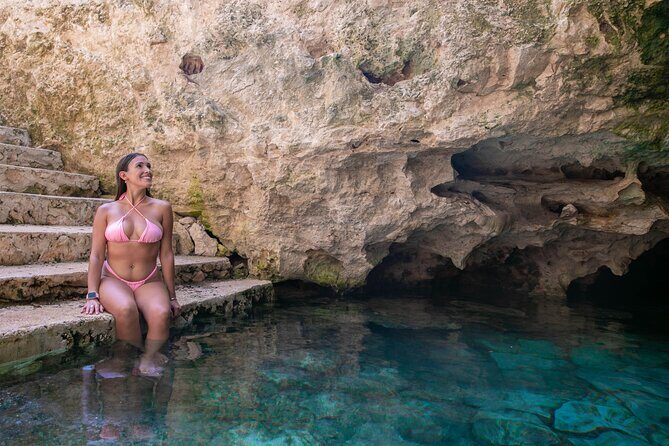
Cenotes are the payoff in the middle of the day. The tour is set up to include two cenote experiences depending on which route you take—one described as having stunning formations.
The key thing to plan for: you’re doing a lot in one block—ruins, then either village activity or ATV/ziplining, then swimming. That means you should show up hydrated and ready to change pace quickly.
If you choose the extreme route, you’ll do ziplining after the ATV/caverna cenote time. That order is worth noting. Ziplining after getting wet usually means you’ll want to manage drying time and keep track of items. Since the tour data doesn’t list what’s provided for changing or storage, I’d bring only what you’re comfortable protecting—and keep essentials on your body.
If you’re prone to slipping or dislike wet surfaces, wear footwear you trust. The tour data doesn’t specify shoe rules, so don’t assume you’ll be perfectly matched with gear. Your best protection is bringing shoes you can walk in confidently in damp areas.
Dinner buffet and the Mayan show: food plus story, not just a performance
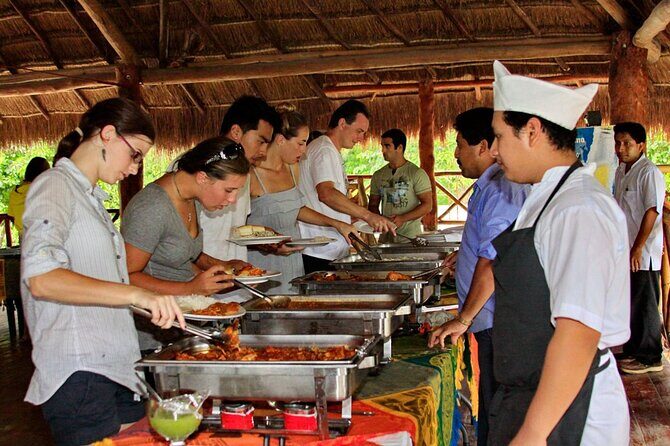
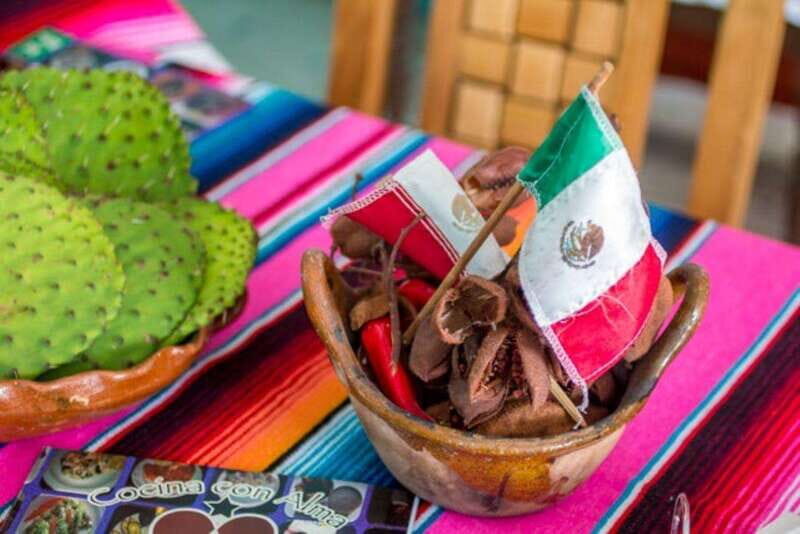
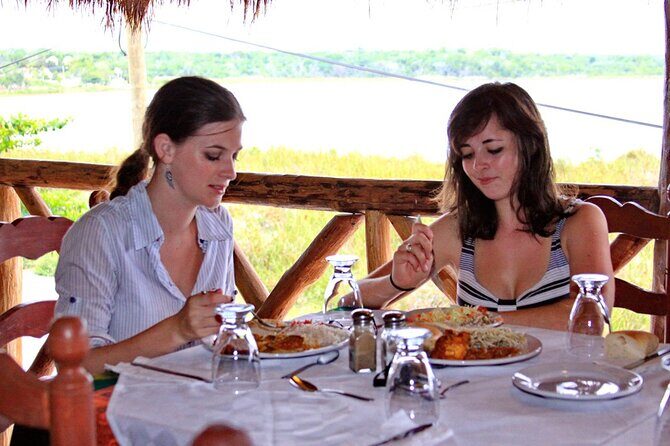
By the time you reach dinner, you’re usually ready to sit down. The day includes a buffer-style meal described as regional specialties, including lobster or chicken, plus rice, beans, pasta, sauces, salad, fresh bread, and tortillas. You’ll also have aguas frescas and dessert, with homemade flan called out.
Now the balancing reality: one negative experience claimed there wasn’t a buffet and that everyone received chicken, plus a note that drinks like wine weren’t included. At the same time, other experiences praised the food and the full program. So I’d treat dinner as “included and filling,” but not as a guarantee of choice-for-every-course.
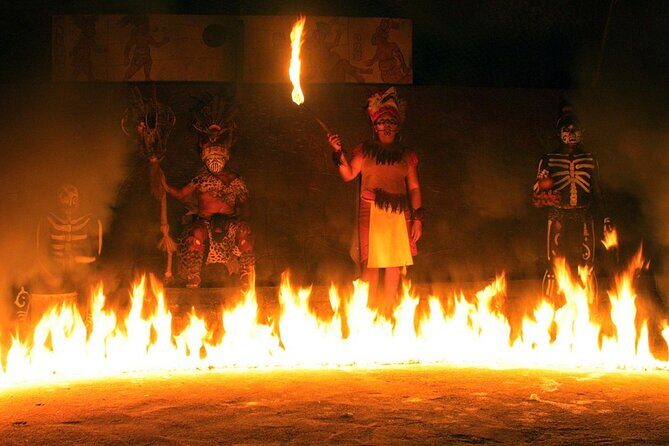
The real reason I still like this part of the tour is the combination of food and story. While you eat, you’ll watch a live show with:
- music and dancing
- an authentic Maya ball game segment
- an acted scene from the sacred Maya book, the Popol Vuh
This is also where a strong guide makes a difference. One traveler specifically praised a guide named Felipe for making the day click, while another mentioned JC as a history-focused guide. If you get a guide who’s willing to explain what you’re watching and why Popol Vuh stories matter, this show turns from “watch and move on” into something you remember.
Group size and guides: why the day can feel personal
The tour listing signals a maximum group size of up to 15 people. That’s a big reason this can work well versus the massive “sit and wait” feeling of some bus tours.
The guide is central. Your ruins portion is guided, your culture activity is guided, and the show ties in at the end. With a smaller group, you’re more likely to get questions answered and to have the timing explained rather than guessed.
When a guide gets named in positive feedback—Felipe being praised for overall flow and JC for history—it’s a hint that the interpretation is part of the value. Don’t underestimate how much better ruins feel when somebody explains what you’re looking at in plain language.
Price and value: how to judge this day without overpaying
No single price is provided in the tour data you shared, so I’ll judge value by what’s actually included.
Included highlights worth your attention:
- hotel pickup and drop-off
- professional guide
- bottled water
- dinner
- the ruins bike tour
- ceramics workshop if you choose it
- ziplining if you choose it
- ATV included if you choose the extreme option
The big “check before you go” items:
- Admission fee for Zona Arqueologica de Cobá is presented in a confusing way: one part notes a promo scenario where entrance fees are bundled, while another section says admission fees are not included. That means you should verify on your confirmation or ticket exactly what you’re paying for, not what it might include “in general.”
Value is strongest if you want the full bundle: ruins + water + adrenaline (or hands-on pottery) + dinner + show. If you only care about ruins and could do cenotes on your own later, you might feel the schedule is packed. But if you want one organized day that covers the main Cobá highlights, this format is built for that.
Practical tips for a smoother Cobá Sunset day
Here are the smart moves that match what the schedule implies, not just what sounds good:
- Bring a plan for wet gear: you’ll likely go from ruins to water and back to dinner. Keep a small dry pouch for phone/keys.
- Wear grippy footwear: cenote areas and jungle paths can be slick. The tour doesn’t list footwear requirements, so don’t assume.
- Arrive early at the pickup point: at least one traveler flagged that arriving only a few minutes early caused waiting. Aim a bit ahead of your scheduled pickup window.
- Don’t count on “drink choice”: one report said wine was not included and required purchase. Even if aguas frescas are part of the plan, be ready for extra costs on alcohol.
- If you want the pyramid climb, be flexible: one traveler booked with the idea of climbing before erosion-related rules tighten. You may still get a climb opportunity, but rules can change, so follow staff guidance.
If you’re traveling as a couple or solo, note that the extreme option is listed for singles/doubles in its itinerary name, which suggests it’s built to handle mixed group types without turning into a private tour.
Should you book Coba Sunset Cultural / Extreme?
I’d book it if you want a packed but well-guided Cobá day that goes beyond “ruins and photos.” This tour makes sense if:
- you like guided structure (you’ll hear explanations while you bike)
- you want either hands-on Maya pottery or a more physical extreme route
- you want cenote swimming scheduled into the day
- you want dinner plus a Mayan performance like Popol Vuh instead of just a quick meal
I’d think twice if:
- you’re relying on ziplining or the ceramics workshop specifically and can’t handle schedule changes
- you dislike active, wet, gear-heavy time in one afternoon-evening block
- you’re picky about food format. Dinner is described as buffet, but one report said it wasn’t set up like that, so go in knowing the included meal is still the meal, even if the service style varies
If you choose the extreme route, make sure your idea of moderate fitness matches ATV handling and ziplining plus swimming. If you choose cultural, expect the pace to be lighter but still full—biking the ruins, then village pottery, then food and cenotes.
FAQ
How long is the Cobá Sunset Cultural / Extreme tour?
It runs about 8 to 10 hours.
What city does this tour operate from?
It’s based in Playa del Carmen, Mexico, with pickup from Cancun or the Riviera Maya area.
What are the pickup times?
Pickup is offered between 11:30am and 1:30pm.
Is the tour offered in English?
Yes, it’s offered in English.
Do I get hotel pickup and drop-off?
Yes. Hotel pickup and drop-off are included.
Is this tour a small group?
Yes. The tour is described as a small group of up to 15 people.
What’s included if I choose the Extreme option?
Extreme includes the ATV adventure and zip-lining, and it also includes a cenote experience as part of the scheduled activities.
What’s included if I choose the Cultural option?
Cultural includes a ceramics/pottery workshop and the cultural village-style experience, plus the cenote and meal.
Is there a bicycle included?
Yes. Use of a bicycle is included.
Is the Cobá admission fee included?
Admission fee details are not consistent across the included/not-included sections. The data notes an admission fee issue tied to the PROMO TULUM COBA 5 X 1 offer, so it’s important to check your ticket for what’s covered.
What food is included during dinner?
Dinner is included, with a buffet-style description of regional items such as lobster or chicken, plus rice, beans, pasta, tortillas, dessert flan, and aguas frescas.