REVIEW · COZUMEL
Tierra Maya – Sanctuary of Living Mayan Traditions
Book on Viator →Operated by Visit Cozumel Shuttles & Tours. · Bookable on Viator
Cozumel, but slower and hands-on. This experience pairs an island Jeep loop with a calm visit to a sanctuary focused on living Mayan traditions, where you actually make and taste things. You’ll leave with stories that are about how the ingredients are grown and processed, not just where the photos were taken, and you’ll spend real time learning from local guides.
What I like most is the mix of hands-on food work and animal-and-ingredient learning. In the two-guide setup, people often get Irving for the island driving and big-picture context, then Cynthia at the sanctuary for the honey, cacao, and bee cultivation explanation. The pace stays relaxed, and the group stays small.
One consideration: food and extra drinks are not included, so you’ll want a budget for anything you choose to eat or purchase during the day. Also, the activity lists a moderate fitness level, so you’ll want comfortable shoes and be ready to walk a bit around the sanctuary areas.
In This Review
- Key Highlights You’ll Feel the Moment You Start
- The Big Idea: Land, Then Sea, With Real Mayan Traditions
- Jeep Renegade Island Ride: Fast Orientation Without the Chaos
- The Sanctuary Focus: Why the Honey Part Feels Like the Whole Point
- Chocolate Workshop With Mayan Stone Tools: Make It, Then Taste It
- Salsa-Making (Zik’il P’aak) and Tortilla Press Time
- Tasting Menu: Melipona Honey and Seasonal Liqueurs
- Boat Portion: Seeing Marine Life Without Needing to Be a Specialist
- Price and Value: What Your $100 Actually Buys You
- Small-Group Comfort and the Guide Names That Matter
- What to Wear and Bring for a 4-Hour Flavor Day
- Who This Tour Fits Best
- Should You Book Tierra Maya Sanctuary of Living Mayan Traditions?
- FAQ
- How long is the Tierra Maya experience in Cozumel?
- What does the tour include?
- Is food included?
- What language is the tour offered in?
- How big is the group?
- What’s the cancellation policy?
Key Highlights You’ll Feel the Moment You Start
- Air-conditioned Jeep time on Cozumel: Get orientation fast and see more than the usual main drag.
- Small group max of 16: You’re less likely to feel like you’re herded.
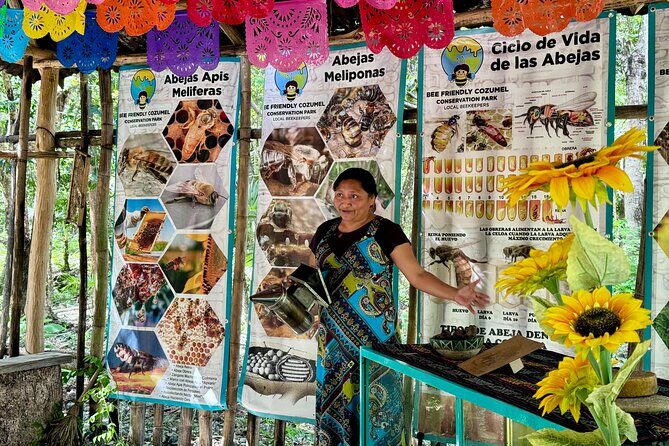
- Stingless bees up close: The sanctuary setup makes it easier to learn without feeling rushed.
- Mayan stone tools for chocolate: You grind and make, not just watch.
- Zik’il P’aak salsa experience: Real preparation work, using a traditional approach.
- Honey tasting including Melipona: You’ll taste the difference, not just hear about it.
The Big Idea: Land, Then Sea, With Real Mayan Traditions
If your Cozumel day is packed with beach time and shopping, this is a nice reset. The concept is simple: start on land with a guided Jeep ride around the island, then shift to the sea with a boat segment where guides talk about the marine ecosystem and help you stay comfortable and safe. The whole thing is built around making and tasting traditional foods and honey products.
The tour is about 4 hours total, which means it’s long enough to learn several things, but not so long that it wrecks your afternoon. It also runs in English, and the group size tops out at 16. For many people, that small cap matters because hands-on workshops feel more personal when everyone has space.
A practical note: you’ll get bottled water, an air-conditioned vehicle, and a friendly guide. That takes pressure off you. You can focus on the tasting, learning, and the short boat time without constantly worrying about logistics.
Other Mayan ruins tours we've reviewed in Cozumel

Jeep Renegade Island Ride: Fast Orientation Without the Chaos
Cozumel can feel like a blur if you only see it from the resort corridor. This starts you on an air-conditioned Jeep, chauffeured by an expert guide, and takes you across the island for roughly 3 hours of land time before the sea portion.
You’re not just driving past big landmarks. You get context for daily life—places where locals live and the island’s main areas—so you understand what you’re looking at when you later walk around town or return to the cruise area. One strong theme from the guides on the day is explanation: how ingredients are sourced, how the sanctuary works, and why certain plants and insects matter here.
In one commonly described flow, you’ll get picked up at the port with your names on a sign, then ride to the bee sanctuary area after a stretch of island driving. Expect some time on the road, but it’s the kind of road time that earns its keep because you’re receiving guidance while you go.
The Sanctuary Focus: Why the Honey Part Feels Like the Whole Point
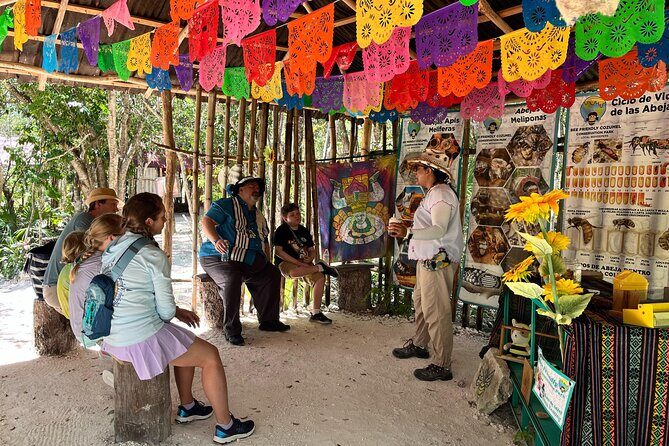
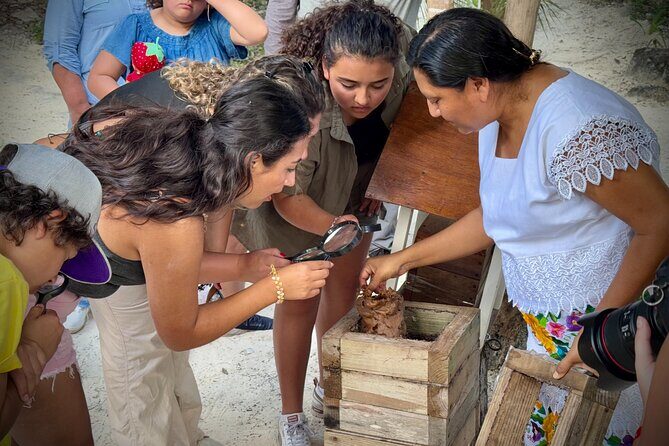
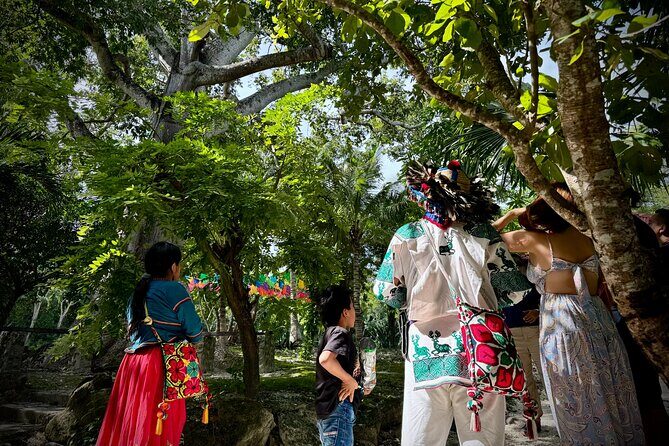
The most memorable stop is the sanctuary portion, because it’s where the tour becomes more than a sightseeing route. You’ll learn about honey and bee cultivation, and you’ll get the chance to get close to stingless bees and see their hives in a way that feels calm and approachable.
This matters for two reasons. First, stingless bees are a specific part of the story, not a generic “bee exhibit.” Second, a sanctuary setting tends to keep the experience quiet. People often describe the environment as tranquil, and that’s the kind of atmosphere that makes the learning stick.
At this stage, you’ll also run into the larger ingredient story around honey and cacao. In the way the day is commonly experienced, you’ll hear about how vanilla is grown and used, how honey is harvested and cared for, and how cocoa relates to the chocolate you’ll make later. Even if you’re not a “plant person,” the process makes sense because you can connect it to what you’ll taste and craft.
Chocolate Workshop With Mayan Stone Tools: Make It, Then Taste It
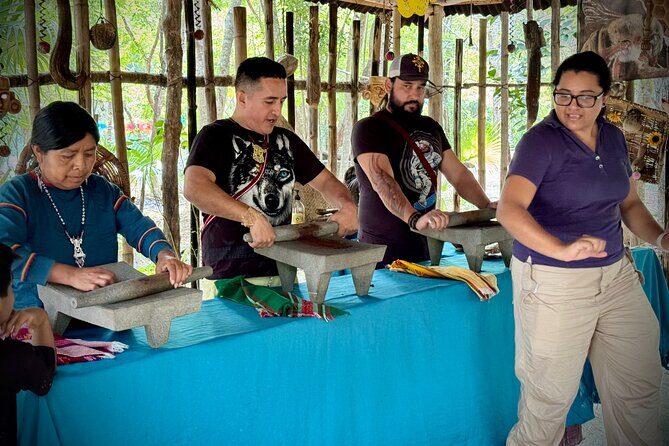
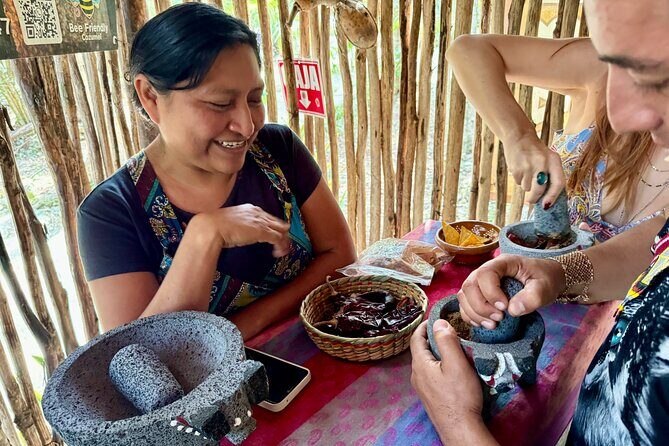
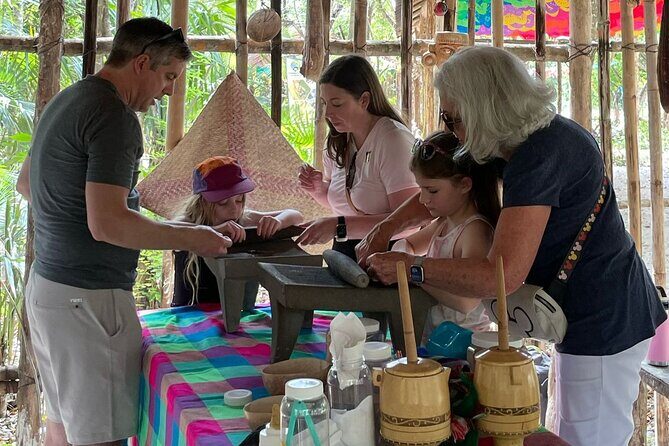
The tour’s chocolate segment is hands-on in the most satisfying way: you work with the ingredients instead of only watching. You’ll grind cocoa using Mayan stone tools, then mix it into a chocolate sauce that you build with other flavors—often including honey.
That craft part is valuable because it turns abstract “Mayan chocolate” into something you understand through your hands. You get a feel for texture and flavor, and you can compare what you taste to what you’ve had in jars or bars.
In the commonly described workshop flow, people mix their own cocoa into a sauce and then taste honey and salsas afterward. That sequencing is smart. It keeps flavors from blending into one big blur. You taste honey, then you go to chocolate, then you move into salsa and tortilla prep. Your brain can sort it all.
If you love food experiences that teach as they go, this is one of the best parts of the day because you leave with knowledge you can use later at a restaurant or market. You’ll also get enough samples to make it feel like a true tasting experience.
Salsa-Making (Zik’il P’aak) and Tortilla Press Time
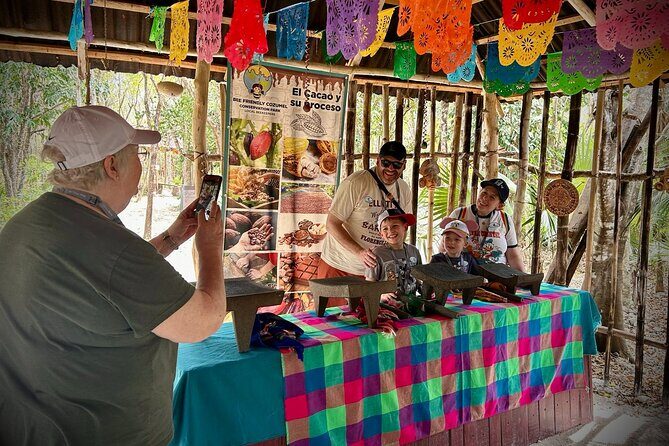
After the honey and chocolate foundation, the day shifts into savory mode with Zik’il P’aak, the salsa-making experience. This is not just a tasting station. You’ll be making salsa and learning how the ingredients work together.
Then comes the handmade tortilla portion using a traditional tortilla press. Tortillas can seem simple until you see the process and try it yourself. The tour gives you that moment of understanding—how shape and thickness affect cooking and texture—without turning it into a long class.
I especially like this combination because it hits two core tastes you’ll remember from Mexico: corn and chile. When you pair that with honey and chocolate earlier, the whole day feels like a full flavor circuit instead of a one-note “sweet workshop.”
One more detail: you may also see sampling of related products, including items like organic beauty products during the tasting portions. Since food beyond the workshop isn’t included, these extra samples tend to be small and meant to complement the core lesson. Still, they can make the sanctuary stop feel longer in a good way.
Tasting Menu: Melipona Honey and Seasonal Liqueurs
The honey tasting is built around Melipona bee honey, which is a specific type you’ll want to notice. If your past experience with honey is mostly supermarket jars, this will likely feel different. The tour uses tasting as the teacher. You’re not learning only from words.
Seasonal tasting of local artisanal liqueurs is also included. That’s a fun add-on, especially if you like learning how regional ingredients get turned into small-batch drinks. It also gives you a way to compare flavors between honey and alcohol-based expressions.
This tasting structure is part of what makes the tour good value. At $100 per person, you’re not just paying for transportation and a guide. You’re getting a sequence of included workshops plus tastings, which typically cost more when purchased separately.
Boat Portion: Seeing Marine Life Without Needing to Be a Specialist
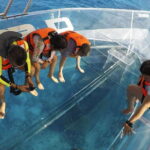
The final act is time on the specially designed boat, where you’ll have the chance to witness the marine ecosystem with help from the guides. The sea time is described as happening in crystal-clear Caribbean water, and the guides are there to keep things safe and explain what you’re seeing.
The key point for you: this isn’t a technical course. It’s a guided viewing experience. That makes it approachable even if you don’t consider yourself a “sea person.” You get the marine context without needing specialized gear or long training.
One practical comfort tip: the boat segment is part of a tight schedule. If you’re prone to getting chilly or uncomfortable on water, you might want a light layer. The tour includes bottled water, but it doesn’t list extra supplies, and it’s not a long tour day overall, so you’ll be glad you planned for weather and temperature swings.
Price and Value: What Your $100 Actually Buys You
At $100 per person, this tour looks straightforward on paper, but the value comes from how many included elements you get:
- An air-conditioned vehicle for the island driving portion
- Bottled water
- A friendly guide
- Hands-on chocolate using Mayan stone tools
- Hands-on salsa-making (Zik’il P’aak)
- Hands-on tortilla press experience
- Honey tasting, including Melipona honey
- Seasonal artisanal liqueurs tasting
That’s a lot of “included activities” for a half-day. And it’s not all passive. You’re doing the work for the chocolate, salsa, and tortillas. For many people, that’s the difference between feeling like you paid for a drive and feeling like you paid for a real experience.
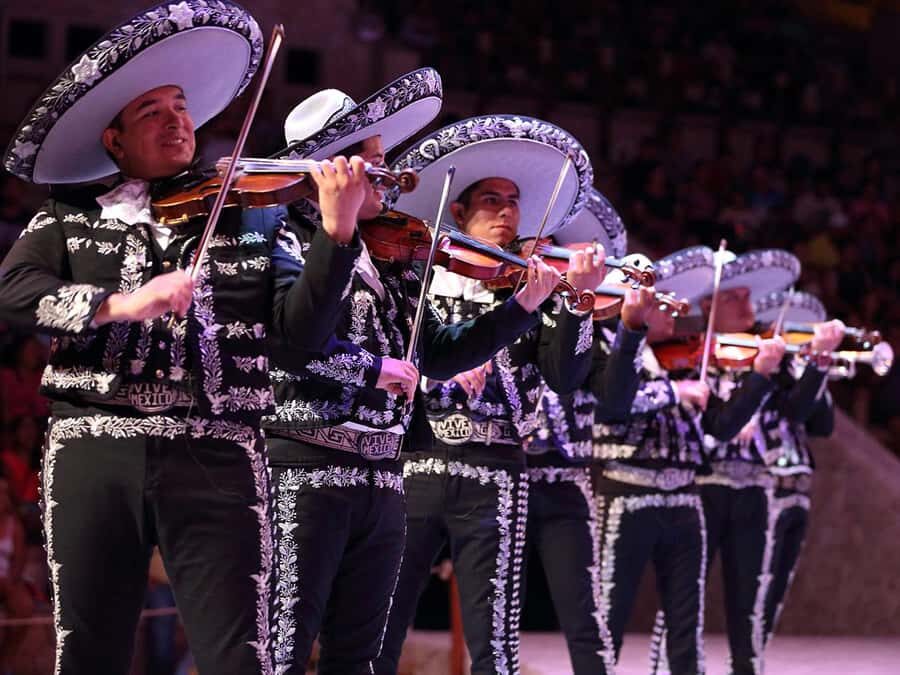
The big thing to remember: food is not included. That means if you end up at any restaurant stop during the day, you’ll pay on your own for lunch, shots, or drinks. One account includes a beach-side meal and mariachi entertainment, but since food and extra beverages are not part of the listed inclusions, I treat that as optional and budget-dependent.
If you want a day that gives you both land learning and a sea viewing moment, this is priced like a package, not like a collection of random add-ons.
Small-Group Comfort and the Guide Names That Matter
The max group size is 16 travelers, and that helps the day feel smoother. Hands-on workshops work better when everyone isn’t waiting in a line. The Jeep ride also feels more like an actual tour than a group bus ride.
Guide quality shows up in the way people describe the experience. Many people mention Irving, who often handles the Jeep pickup and island driving with clear explanation. Others mention Cynthia at the sanctuary for the practical learning about bees, vanilla, honey, cocoa, and the overall tone of the stop. If you’re trying to get the most out of a short day, the guide switch can be a plus—because you get different expertise in different settings.
A practical tip: if your cruise arrival timing changes, the start might shift too. In general, tours tied to port timing often wait for the ship schedule. If your day is tight, build in a little buffer when possible.
What to Wear and Bring for a 4-Hour Flavor Day
This tour lists moderate physical fitness. That likely means walking around sanctuary areas, moving between workshop points, and being on your feet for parts of the day. You’ll be happiest with:
- Comfortable closed-toe shoes
- Sun protection (hat and sunscreen are smart)
- A way to keep your phone secure, since you’ll be on a Jeep and on a boat
Also, because food is not included, plan for the time window. If you’re hungry after the workshops and tastings, you’ll want to know where you’ll eat next. The tour includes water, but not meals beyond the listed workshops and tastings.
If you want to buy anything (souvenirs, liqueurs, or personal favorites), bring a payment method that’s easy for you. The day includes tastings that can lead to purchases, and it’s easier when you’re ready.
Who This Tour Fits Best
This is a strong fit if you want:
- Hands-on food experiences (chocolate, salsa, tortillas)
- A calm sanctuary stop with bee cultivation learning
- A short boat portion to round out the day
It’s especially good for people who are tired of just riding past places and want to understand ingredients and traditional methods. The small group size helps. English availability makes it easier to follow along.
It may be less ideal if:
- You expect lunch or full meal service as part of the tour (food isn’t included)
- You don’t want any active participation (this is hands-on by design)
Should You Book Tierra Maya Sanctuary of Living Mayan Traditions?
If you’re looking for a half-day in Cozumel that feels like a real experience—hands-on, guided, and focused on living traditions—this is a yes for most people. The value is strong because you get multiple included workshops plus tastings, and the day mixes island context with a sea segment.
I’d book it if you like food learning, honey and cacao curiosity, and a small-group pace. I’d think twice if you want a beach-first day with no workshops, or if you’re counting on food being fully covered. Otherwise, it’s the kind of tour that helps you understand Cozumel beyond the postcard.
FAQ
How long is the Tierra Maya experience in Cozumel?
It runs about 4 hours (approx.).
What does the tour include?
It includes an air-conditioned vehicle, bottled water, a friendly tour guide, a hands-on chocolate workshop using Mayan stone tools, hands-on salsa-making (Zik’il P’aak), handmade tortillas using a traditional tortilla press, honey tasting (including Melipona bee honey), and seasonal tasting of local artisanal liqueurs.
Is food included?
No. Food is not included. Any additional food, beverages, or souvenirs aren’t listed in the inclusions.
What language is the tour offered in?
The tour is offered in English.
How big is the group?
The tour has a maximum of 16 travelers.
What’s the cancellation policy?
You can cancel for a full refund up to 24 hours in advance of the experience’s start time. The experience requires good weather and a minimum number of travelers, and if it’s canceled due to poor weather, you’ll be offered a different date or a full refund.