REVIEW · TULUM
Tulum: Chocolate & Honey Sanctuary Experience with Cenote
Book on Viator →Operated by Mycancuntours · Bookable on Viator
That sacred cenote is the real draw.
This Tulum: Chocolate & Honey Sanctuary experience mixes food, craft, and a water stop tied to Mayan beliefs. You’ll learn about honey and cacao at a sanctuary near Cobá, then get hands-on with natural cacao flavors and honey-based creations (the tour lists soap and/or a candle). One watch-out: it can feel like the description is overselling what you’ll physically make, and the location is not in Tulum proper.
Two big wins for me are the combination of a guided food lesson plus a cenote swim, and the chance to taste cacao products tied to local tradition. If you’re counting on a very specific craft step—like always making soap or a candle—keep expectations flexible and confirm on the day.
In This Review
- Key highlights in plain terms
- Tulum on the label, Cobá in the real world
- Price and timing: what $129 buys you
- Chococacaomaya stop: honey and cacao sanctuary basics
- Soap, candle, and chocolate making: set expectations the smart way
- The cacao chicken meal: food that fits the theme
- Sacred cenote swim and the shaman’s blessing moment
- Pickup at AKI and getting there without stress
- Who this tour suits best (and who might feel disappointed)
- Should you book it?
- FAQ
- How long is the Chocolate & Honey Sanctuary experience?
- Where does this tour actually take place?
- Is pickup included, and where do I meet?
- Is the tour offered in English?
- What’s included in the price?
- Are drinks included?
- Can I cancel and get a full refund?
Key highlights in plain terms
- Cobá location (not downtown Tulum): the sanctuary run is about 45 minutes inland.
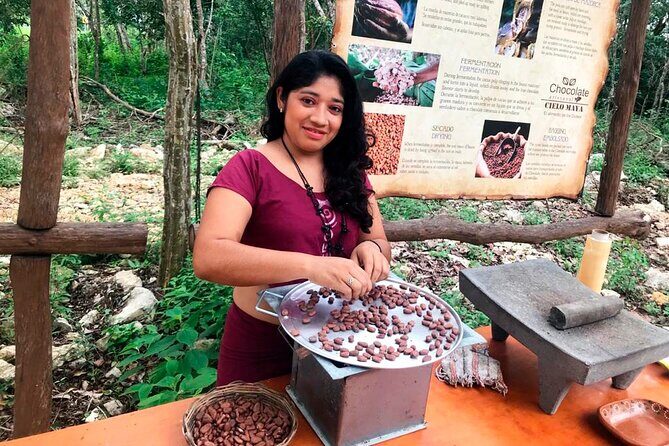
- Honey and cacao workshop: learn how these ingredients were used in daily life and rituals.
- Mixing chocolate and honey products: you’ll get hands-on with natural ingredients and flavors.
- Gourmet cacao-based meal: includes a chicken main prepared with cacao and honey.
- Cenote entrance + swim: you’ll cool off in a sacred cenote, plus a shaman-style blessing.
Tulum on the label, Cobá in the real world
The tour name says Tulum, but the experience happens near Cobá, around 45 minutes inland. That matters because Tulum visitors often imagine a short hop to a site in town. Here, you’re signing up for a day plan that starts with travel time before you even reach the sanctuary.
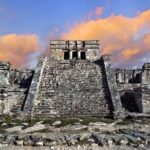
Cobá is also where the story energy makes sense: this is framed as an ancient Mayan pilgrimage place. You’ll hear about how people lived around the ruins and you’ll get a blessing before you go into a former house area that’s now basically a few rocks. Even if your Spanish is basic, the ritual part tends to be easy to follow because the guide cues you when to watch and when to walk.
Best for: you want more than a quick photo stop and you like structured time with a guide.
Not ideal for: you’re only in the area for tight timing and can’t spare the inland drive.
Other Tulum ruins tours we've reviewed in Tulum

Price and timing: what $129 buys you
At $129 per person, you’re paying for a package: guide time, workshops, admission for the cenote, transport, and a meal. It’s not just a “hang out in a cenote” trip. The value is in the sequence: honey/cacao education + a meal + swimming at the cenote.
The tour runs about 3 hours. That’s short enough to fit into a busy Tulum schedule, but it also means there’s not a lot of slack. You’ll likely move through each step at a steady pace: workshop, tastings and craft activity, lunch, then cenote swim. If you hate rushing, you might find the pace a little quick. If you like getting things done and ticking off experiences efficiently, the timeline is solid.
Also worth noting: the tour is offered in English, and the provider supplies a mobile ticket. Confirmation comes at booking time. These details help if you’re the type who likes to feel organized before you arrive.
Chococacaomaya stop: honey and cacao sanctuary basics
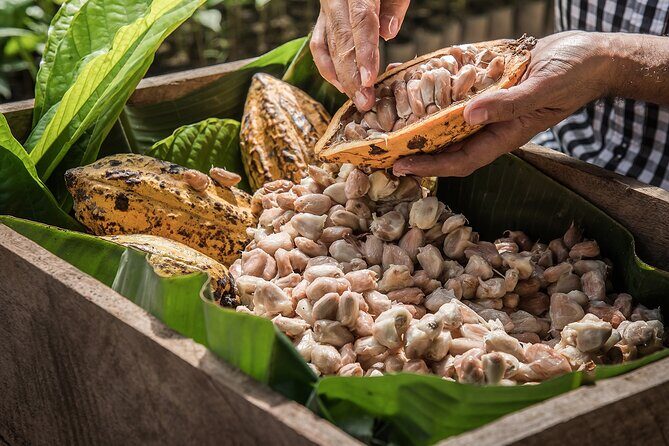
Your first stop is Chococacaomaya, where you’ll learn about honey and cacao in a guided setting. This is the “workshop and tastings” portion, and it’s set up so you don’t just listen—you participate.
Here’s what the tour format is aiming to do:
- explain how honey and cacao connect to Mayan life and ritual,
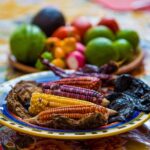
- show you how natural cacao is handled (and why it’s different from the candy you’re used to),
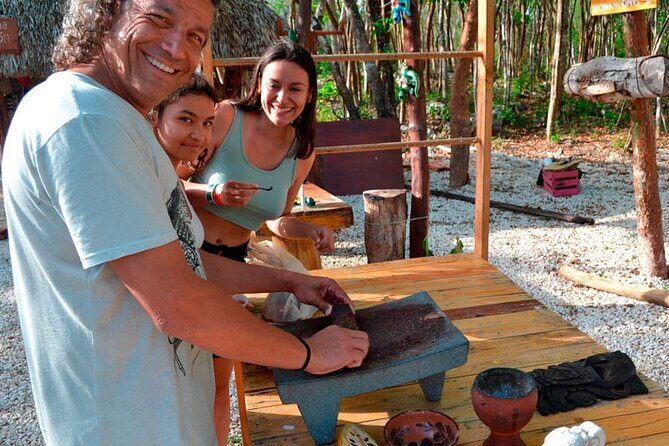
- let you try chocolate mixing and honey-based products,
- wrap it with a meal before the cenote swim.
A lot of the appeal is sensory. Cacao beans have that earthy, slightly bitter smell; when you crush them, you can feel the process in your hands. One of the most memorable moments from this kind of experience is usually the practical step—watching or doing the crushing action like people did long ago—because it turns the idea of cacao into something physical.
What to expect: you’ll be standing, tasting, and listening in between short activities. Wear clothes you don’t mind getting a bit scented by cacao and possibly honey residue.
Soap, candle, and chocolate making: set expectations the smart way
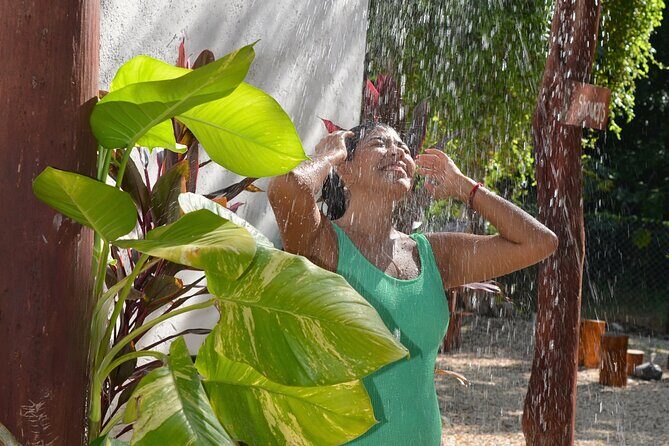
The tour listing includes a Mayan honey workshop and says you’ll make something by your own hands: a candle or soap. It also advertises a chocolate experience where you mix your own chocolate from natural products.
In practice, here’s the caution: at least one booking reported that the soap/candle part didn’t happen as described. That doesn’t mean it never happens, but it does mean you should manage your expectations. If it’s important to you that you actually leave with a bar of chocolate and a handmade soap/candle, message the provider ahead of time and ask what the hands-on items will be on your specific date.
How to judge it quickly on the day:
- If the guide starts with tastings and cacao crushing but skips the craft stations entirely, you’ll know fast.
- If you see ingredients laid out for mixing, that’s your clue the “hands-on” section is active.
- If the timeline is moving and the craft step looks short, ask directly what you’ll be making before lunch.
The good news: even when craft steps are shorter than expected, this kind of sanctuary tour often still delivers the core learning and tastings—especially the cacao processing and the meal that follows.
The cacao chicken meal: food that fits the theme
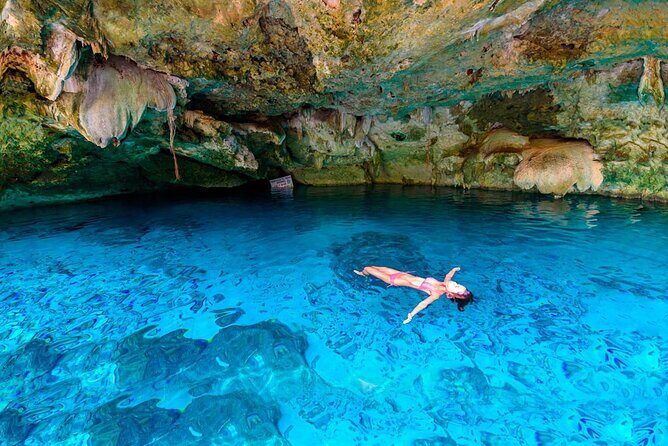
After the honey/cacao portion, you’ll eat a meal designed around those ingredients. The sample menu lists:
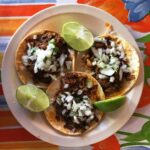
- Main: Cacao Chicken (chicken al cacao) prepared with natural cocoa/organic chocolate and a little honey
- Side: Mexican rice
The tour also notes you can get an organic or vegan food option, depending on what’s offered for your group. Drinks aren’t included, so plan to purchase bottled water or other drinks separately.
This meal matters because it closes the loop. Instead of treating cacao like a novelty, you taste it in food you can actually compare to what you know (chicken and rice) while still getting the local flavor connection.
One practical tip: since you’ll swim later, eat enough to feel satisfied but not so much that you feel heavy afterward. If you’re prone to stomach issues when you swim soon after eating, pace yourself.
Other cenote tours we've reviewed in Tulum
- Selva Maya Eco Adventure Park: Ziplining, Hanging Bridges, Rappelling and Cenote
★ 5.0 · 1,057 reviews


Sacred cenote swim and the shaman’s blessing moment
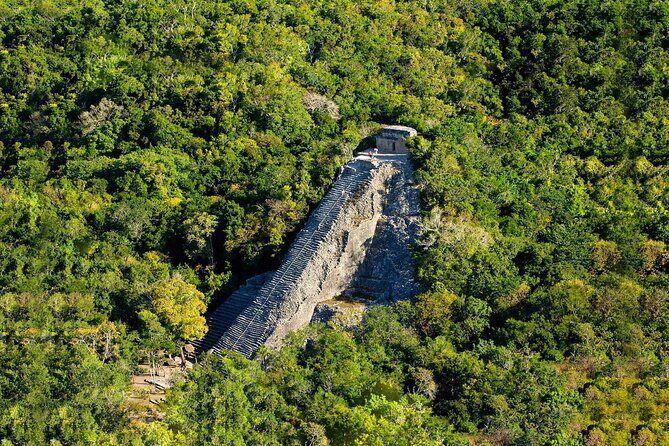
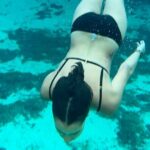
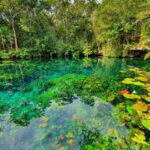
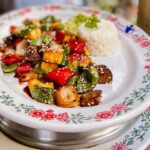
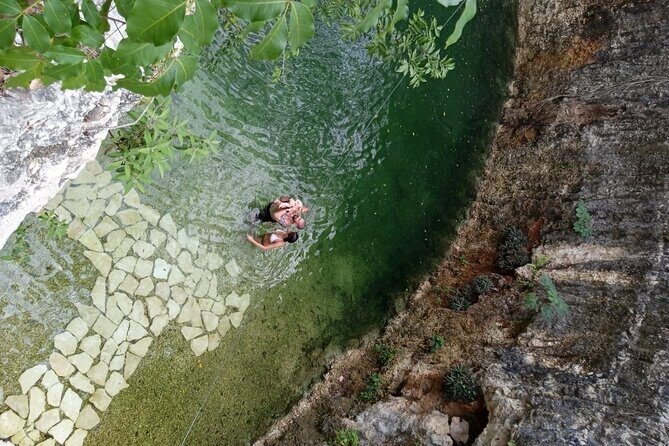
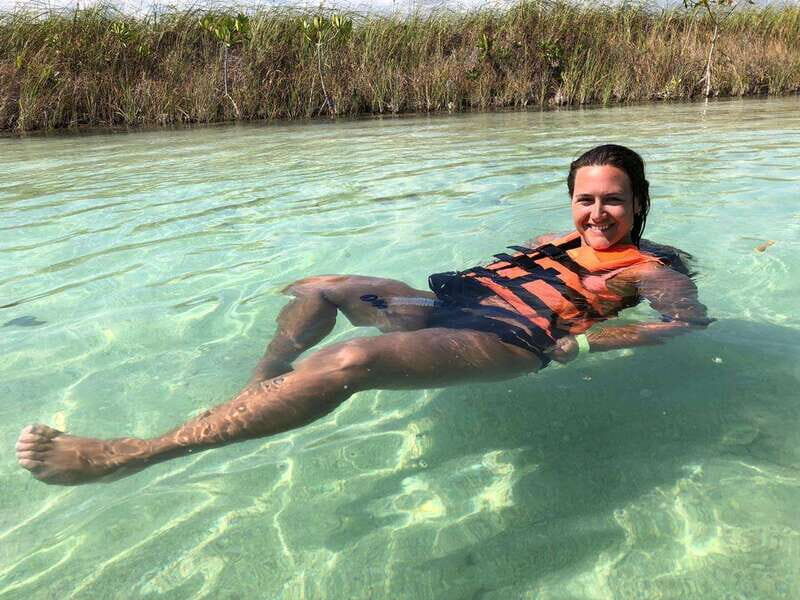
Then comes the part many people remember most: the cenote entrance and swim. You’re there for crystal water, and this is timed after lunch so you’re not rushing into water right away.
The tour frames it as sacred, with a shaman’s blessing before you enter what used to be a house site (now just a couple of rocks). Even if you’re not into rituals, this is one of the best moments to slow down. The guide cues you, and you get a quick sense of how these spaces were used beyond “just a swimming hole.”
What you should plan for:
- You’ll get wet, obviously, so wear swim-friendly clothing or clothes you can tolerate.
- Bring or buy a way to keep your phone and camera safe. The tour info doesn’t say what’s provided, so assume you’re responsible.
- Expect a few minutes of walking and waiting in between the steps.
This is where the tour earns its keep. A workshop is fun, but the swim turns it into a full-body experience—smell cacao, taste honey, then cool off in the water tied to the same belief system.
Pickup at AKI and getting there without stress
Pickup is offered, and the meeting point is specific: AKI supermarket in downtown Tulum area, next to the BBVB bank. If you’re staying in Tulum center, this is fairly straightforward—just double-check your exact pickup location on booking confirmation, since “downtown” can mean different corners depending on where you’re staying.
The tour includes an air-conditioned vehicle, which you’ll appreciate because the heat can start draining your energy before you even reach the sanctuary.
A simple game plan:
- Arrive a few minutes early at AKI.
- Keep your phone ready for your mobile ticket.
- Confirm the return time in the message thread or on your confirmation.
If you’re sensitive to delays, build in some buffer for the drive to Cobá.
Who this tour suits best (and who might feel disappointed)
This tour is a good match if you:
- want a structured, guided experience with a clear sequence,
- like food-based cultural activities (cacao and honey are the theme),
- want a cenote swim included without having to plan it separately,
- enjoy hands-on steps like tasting and mixing.
You might feel disappointed if you:
- came expecting the entire experience to happen in Tulum proper rather than near Cobá,
- are specifically there for a guaranteed handmade soap/candle item and don’t want any variation,
- need a slower pace.
And one more practical note: one booking had an extremely negative report about a no-show. I can’t verify what happened on any specific day, but if you book, treat it like a serious commitment—make sure you have confirmation, keep contact details, and confirm pickup timing in writing.
Should you book it?
Book it if you want one package that covers cacao/honey learning + a real meal + a cenote swim near Cobá. The price makes sense when you value the total bundle and you’re okay with the inland drive.
Consider passing if you’re very sensitive to mismatch between what’s advertised and what you actually get—especially the “soap or candle you make” part—or if you’re short on time and can’t handle the Cobá transfer.
FAQ
How long is the Chocolate & Honey Sanctuary experience?
It’s listed at about 3 hours.
Where does this tour actually take place?
The experience is near Cobá, about 45 minutes inland from Tulum.
Is pickup included, and where do I meet?
Pickup is offered. The meeting point listed is AKI supermarket in downtown Tulum area, next to BBVB bank.
Is the tour offered in English?
Yes, it’s offered in English.
What’s included in the price?
Included are the honey workshop and making a candle or soap (as listed), the chocolate experience, a gourmet chocolate and honey meal (organic or vegan option), cenote entrance and swim, and air-conditioned transport.
Are drinks included?
No. Drinks of any kind are not included.
Can I cancel and get a full refund?
Yes. You can cancel up to 24 hours in advance for a full refund.
—
If you want, tell me your hotel area in Tulum and what you care about most (the workshop, the cenote, or the food), and I’ll help you decide if this timing works for your day.
More Tour Reviews in Tulum
- Selva Maya Eco Adventure Park: Ziplining, Hanging Bridges, Rappelling and Cenote
★ 5.0 · 1,057 reviews

More Cenote Tours in Tulum
- Selva Maya Eco Adventure Park: Ziplining, Hanging Bridges, Rappelling and Cenote
★ 5.0 · 1,057 reviews