REVIEW · PLAYA DEL CARMEN
Xenotes (Riviera Maya)
Book on Viator →Operated by IGOFLY · Bookable on Viator
Cenotes feel like nature’s secret staircases. This Xenotes day in Playa del Carmen is built around multiple cenote styles, from a cave descent in Lu’um to open-water fun in Ka’ak, plus a kayak and swim at Ha. I especially like the hands-on safety setup (including an assisted descent and a required vest) and the small group size, capped at 15. One consideration: the activities are physical, and the jumping option comes with a minimum height requirement.
What makes this tour work well is how the day is paced for real-world comfort. You’ll get snorkeling gear, changing and toilet facilities, towels, bottled water, and fruit snacks. You’re also expected to follow cenote rules that keep the water healthier, like showering before each cenote and skipping makeup or chemical repellents. If you’re not excited about water safety and basic rules, this might feel like too much structure.
Expect a solid 8-hour block starting at 9:00am, guided in English, with average temps around 24 to 26°C. In the field, guides like Irvin and Martin are known for taking care of the group, and Pepe is praised for being patient and clear. Bring water shoes, a change of clothes, and a calm attitude for steps, ropes, and wet surfaces.
In This Review
- Key things to know before you go
- Getting to the cenotes: what “8 hours” really means
- Lu’um Cave Cenote: the assisted rappelling portion
- Ka’ak Open Cenote: tiro-lesas and high jumps
- Ha Semi-Open Cenote: kayak time and water exploration swim
- Snorkeling gear, snacks, and the “small stuff” that saves your day
- Cenote etiquette you’ll need to follow (and why it’s worth it)
- Timing and group size: the difference between chaos and a calm day
- Weather and temperature: plan for 24–26°C water days
- What to bring (so you don’t do the classic rental regrets)
- Who Xenotes is best for
- Should you book Xenotes in Riviera Maya?
- FAQ
- What time does the Xenotes tour start in Playa del Carmen?
- Is pickup included?
- What physical requirements does the tour have?
- Are there height and weight requirements for the jump activity?
- What should I bring for the tour?
- What happens if the weather is poor?
Key things to know before you go
- Multiple cenote types in one day: cave, open, and semi-open water
- Assisted rappelling in Lu’um, with a vest required for aquatic activity
- Ka’ak jumping and tiro-lesas for those who meet the height/weight rules
- Ha kayaking plus snorkeling-style water exploration with included equipment
- Cenote etiquette matters: shower first, and avoid chemicals like perfume or repellent
- Small groups (max 15) help you move faster and stay safer
Getting to the cenotes: what “8 hours” really means
The schedule is simple, which is good. The tour starts at 9:00am with a morning transportation window running from 7 to 9 depending on where you’re picked up. Transportation is included at certain departure points, and additional charges may apply if your exact pickup location isn’t on their list or if the group isn’t filled as expected.
Why this matters: cenote days are time-sensitive. Lighting and water conditions are part of the experience, and tours run on tight timing to fit multiple sites. You’ll want to arrive early enough that you’re not rushed into gear and briefing mode.
The day runs about 8 hours of active time plus transitions between cenotes. The stops are close enough to make a multi-cenote itinerary realistic, but not so close that it feels like a bus tour with quick photo stops. Plan to be wet, a little sandy, and hungry at the right times.
Other Riviera Maya tours we've reviewed in Playa del Carmen

Lu’um Cave Cenote: the assisted rappelling portion
Lu’um is the cave cenote stop, and it’s the one that sets the tone. This is where you descend with assisted rappelling. If you’re picturing total cliff-chaos, don’t. The “assisted” part is the whole point. You’ll still need to follow instructions closely, use handholds when asked, and stay controlled on wet surfaces.
This stop is also where the cenote rules become very real. You must shower before entering the cenote. You’ll also be expected to avoid makeup, perfumes, and chemical repellents that could affect the ecosystem. It’s not just for show. Cave systems are sensitive, and the tour is built around protecting the water and formations.
What you’ll like most here is the contrast. Outside light fades as you go down, and the cave environment changes how sound and movement feel. It’s also where the gear and safety instructions really matter. If you get nervous in tight, dark or wet spaces, tell your guide early. The guides’ job is to keep everyone steady and moving.
One practical drawback: if you’re hoping for a totally leisurely experience, the cave descent and careful entry will take some mental energy.
Ka’ak Open Cenote: tiro-lesas and high jumps
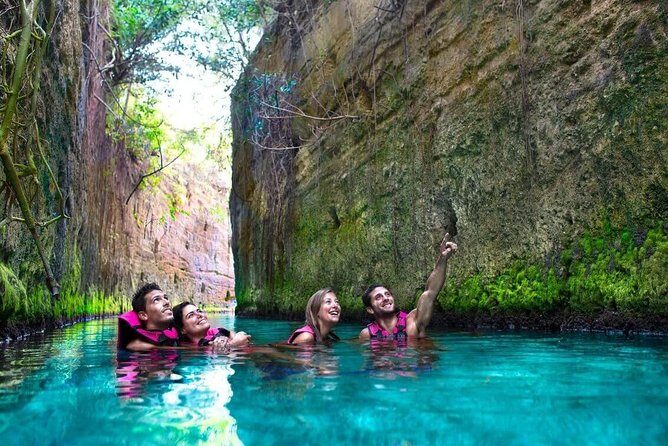
Ka’ak is the open cenote where the tour gets more playful. This is where you’ll see tiro-lesas (a zip-and-swing style activity) and high jumps. There’s no sugarcoating: you either meet the physical requirements for the jump option or you don’t.
Here are the rules that affect your day:
- Minimum height for the shooting-lese activity: 1 meter 40 centimeters
- Minimum weight: 40 kilograms
- A vest is mandatory during all aquatic activity
Why these rules matter: the open cenote is the portion where you’ll probably want to participate fully. If you don’t meet the height or weight requirements, you can still enjoy the cenote experience, but the action options may be limited. You’ll want to plan your expectations around that.
Safety-wise, the structure is still there. You’ll be guided on what to do and how to do it, and the vest requirement keeps everyone at a similar baseline for flotation and stability.
The big value of Ka’ak is variety. After the cave descent, open space changes the feel of the water and the air around you. It’s often the stop where people remember how fun cenotes can be beyond sightseeing.
Ha Semi-Open Cenote: kayak time and water exploration swim
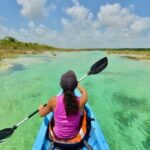
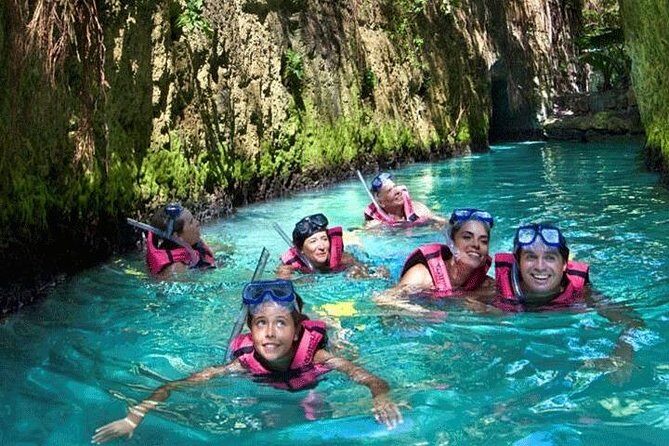
Ha is described as a semi-open cenote, and it’s a great balance stop. You’ll do a kayak tour first. Then you’ll switch into water exploration with a swim. This is also where snorkeling gear becomes useful, since the tour includes snorkeling equipment.
What makes Ha special is that it’s less intimidating than a cave, but still more atmospheric than a fully open pool. Semi-open water tends to give you a mix of light and sheltered feel. That’s a nice middle ground if you want adventure without feeling like you’re constantly relying on ropes and darkness.
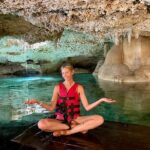
Practical note: you’ll still be wearing the mandatory vest during aquatic activity. That can make swimming and kayaking feel different than what you’re used to, but it also makes the whole experience more confidence-friendly, especially for people who are less comfortable in water.
If you’re a strong swimmer, you’ll likely enjoy the exploration more. If you’re not, don’t panic. The vest plus guided pacing helps you stay within the plan.
Snorkeling gear, snacks, and the “small stuff” that saves your day
This tour is smart about the details you actually feel during an 8-hour day. Included items cover the stuff most people end up paying for separately elsewhere:
- Snorkeling equipment
- Bottled water
- Soda/pop
- Fruit snacks at the exit of the first cenote
- Toilets, dressing rooms, and a towel
- Coffee or tea and chocolate shampoo
Yes, chocolate shampoo. That’s one of those weirdly welcome touches that makes you feel like the day is being managed for comfort, not just adrenaline. The towel and dressing rooms are also a real quality-of-life feature once you’re wet and changing between cenotes.
One balancing point: alcoholic beverages aren’t included. That’s not a negative for cenote safety, but it does mean you shouldn’t count on a drink to unwind. If alcohol is part of your vacation rhythm, you’ll need to plan for that separately.

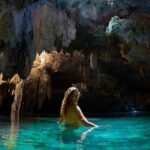
Cenote etiquette you’ll need to follow (and why it’s worth it)
Cenotes aren’t just scenery. They’re ecosystems you enter. That’s why the tour asks for specific behavior:
- Shower before entering each cenote
- Avoid makeup, perfumes, and chemical repellents
- Stay on marked or established roads to avoid incidents with fauna or flora
This might sound strict, but it also makes the experience smoother. When everyone follows the same rules, the guides can focus on safety and timing instead of repeated reminders.
It also helps protect what you came to see. Cenote water clarity and formations take time to form, and a day of extra chemicals can do long-term harm. Even if you’re not a science person, you’ll feel the difference in how cared-for the water environment feels.
Tip that will save you stress: do a quick check before you go. If you use a strong repellent or fragrance, consider swapping it out for something that aligns with the tour rules.
Timing and group size: the difference between chaos and a calm day
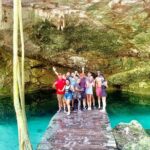
This is capped at a maximum of 15 travelers, which is a big deal for cenotes. Smaller groups mean fewer bottlenecks at descents, entries, and equipment moments. It also means you’re more likely to get direct attention if you have questions or if you need reassurance for the more active segments.
The tour runs for about 8 hours, starting at 9:00am, and the transportation pickup window is set in the morning. That structure helps you avoid the classic cenote problem: showing up late and missing the best light or the smoothest sequence.
From what guides are known for, the goal is clear instruction and patient support. Names mentioned include Irvin and Martin as guide team members, and Pepe is specifically praised for being attentive and patient while explaining what to do and what not to do. That kind of guiding is a quality signal for a tour that involves ropes, jumps, and water.
Weather and temperature: plan for 24–26°C water days
The average temperature is 24 to 26°C, which usually means you won’t feel frozen. Still, cenotes can change how the air feels once you’re wet and in shaded areas, especially near cave sections.
The bigger weather issue: the experience requires good weather. If it’s canceled due to poor weather, you’ll be offered a different date or a full refund. That’s important because some portions could be unsafe in rough conditions.
My advice: pack for variability. Even when it’s warm, you’ll want water shoes and something dry to change into after. The day will be better when you don’t spend the ride home in soggy clothes.
What to bring (so you don’t do the classic rental regrets)
The tour explicitly recommends:
- Water shoes
- A change of clothes
- Omit makeup, perfumes, and chemical repellents that affect the cenote ecosystem
Also, I’d add a practical mindset: bring stuff that dries fast and won’t make you miserable during transitions. You’ll likely want to keep your bag closed and secure because you’ll go from wet to dry multiple times.
If you’re thinking about comfort, aim for footwear with solid grip. Cenotes involve slick surfaces, and your footing matters when moving around equipment and entry points.
Who Xenotes is best for
This tour fits people who want active nature and a guided, structured day. You’ll need moderate physical fitness level, and the activity is for over 6 years.
It’s a good match if you:
- Like hands-on water activities (kayak and swim) rather than only photos
- Enjoy safety briefings and following directions
- Want to see multiple cenote styles in one day
It might not be the best match if you:
- Prefer completely non-physical tours
- Hate the idea of ropes and descending in a cave environment
- Know in advance you won’t meet the height/weight rules and want the full jump-based experience
The bright side: even with restrictions on specific thrill moments, the cenotes themselves are the main event. The tour includes snorkeling gear and time in different water settings, so you’re not stuck doing only one type of activity.
Should you book Xenotes in Riviera Maya?
I think you should book this if you want a packed, well-managed cenote day with clear safety structure and real variety. The mix of Lu’um cave rappelling, Ka’ak open-water action, and Ha kayak plus swim means you don’t get bored halfway through. Add in the included gear, snacks, and facilities, and it feels like a day planned for comfort as well as fun.
Don’t book it if you’re looking for a totally low-effort experience or if you expect alcohol or a late-morning start. Also, be honest with yourself about the height and weight rules for the jump activity. If you’re not eligible for that piece, go anyway for the overall cenote sequence, but adjust your expectations.
If you’re comfortable following rules, keeping chemicals out of the water, and moving steadily through wet terrain, this is the kind of tour that can end up as a standout day in Playa del Carmen.
FAQ
What time does the Xenotes tour start in Playa del Carmen?
The start time is 9:00am, with a transportation schedule that runs from 7 to 9 in the morning depending on your pickup location.
Is pickup included?
Transportation is included at certain departure points, but additional charges may apply depending on the number of passengers, your place of origin, or if you don’t show up on time.
What physical requirements does the tour have?
You should have a moderate physical fitness level. The activities are for over 6 years.
Are there height and weight requirements for the jump activity?
Yes. For the shooting-lese activity, there’s a minimum height of 1 meter 40 centimeters and a minimum weight of 40 kilograms.
What should I bring for the tour?
You’ll need water shoes and a change of clothes. You should also avoid makeup, perfumes, and chemical repellents that may affect the cenote ecosystem.
What happens if the weather is poor?
This experience requires good weather. If it’s canceled due to poor weather, you’ll be offered a different date or a full refund.