REVIEW · PLAYA DEL CARMEN
Cenote Diving – 2 Tank Dive Trip for Certified Divers
Book on Viator →Operated by Scuba Mobile Dive Center · Bookable on Viator
Two tank sessions in a cenote feel unreal. I love the way permanent lines guide you through the caverns during each 45-minute in-water session, because it keeps things calm and predictable. You’ll also get a proper briefing from a full cave-trained instructor and an Open Water scuba instructor before you’re sent into the water.
I like the rhythm of the day: after the first in-water session there’s a real surface break with snack and a sandwich, not just a quick “back to it.” The main thing to watch is the extra cost side—some cenotes charge entrance fees (cash only), and camera use can also cost extra depending on the site and your setup.
In This Review
- Key highlights worth your attention
- Getting to the Cenote: 8:00 AM Start and the 45-Minute Ride
- Gear Check and the Cenote Briefing From Certified Pros
- What Permanent Lines Change Underwater
- The Two 45-Minute Tank Sessions and the 45-Minute Surface Break
- Chac Mool vs Dos Ojos: Fees and Camera Rules to Know
- Entrance fees (cash only)
- Camera use can cost extra
- Cost Breakdown: Value of Included Gear vs On-Site Extras
- Equipment rental (if you need it)
- Cenote entrance fees
- Camera fees (possible)
- Who This Cenote Two-Tank Trip Fits Best
- Tips to Have a Smooth Day (and Enjoy It More)
- Should You Book This Two-Tank Cenote Scuba Trip?
- FAQ
- What time does the tour start?
- Where do we meet and where does it end?
- How long is the trip?
- What certification do I need?
- Do I need recent scuba experience?
- How deep do the sessions go?
- What’s included in the price?
- What’s not included?
- How much are the cenote entrance fees?
- Cancellation question
- What if weather is bad?
Key highlights worth your attention
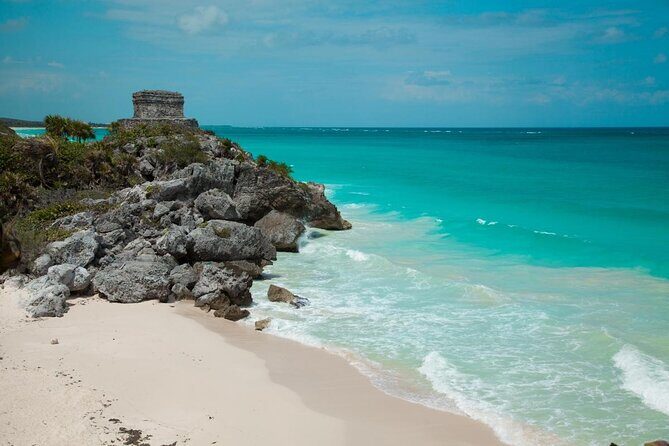
- Small group limit (max 8): Easier pace, more personal attention, fewer people to manage underwater.
- Two in-water sessions, 45 minutes each: Enough time to experience the cenote without rushing the day.
- 50 feet / 15 meters max depth: Clear boundaries that match the tour’s certified-scuba target.
- Permanent line guidance: You’re not wandering through dark water and guessing.
- Food during the surface break: You refuel between sessions with snacks, soft drinks, and a sandwich.
- Camera rules and extra fees: Budget for entrance fees and possible camera charges.
Getting to the Cenote: 8:00 AM Start and the 45-Minute Ride
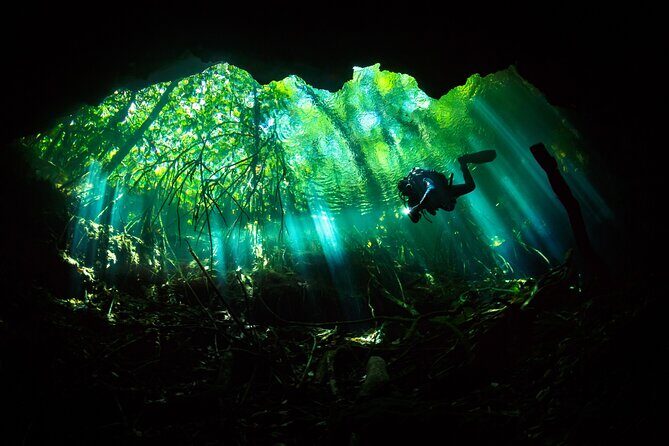
This tour starts at 8:00 am at the meeting point in Playa del Carmen, back at Calle 4 Norte/Calle 4 Nte in Centro. Plan on a smooth morning routine: you arrive, you handle paperwork, you get fitted, then you load into a truck for about a 45-minute ride to the cenote picked for the day.
That drive matters more than you’d think. Cenotes are tucked away from the main hotel zones, and the timing helps you avoid feeling rushed once you hit the water. It also means you’re not constantly waiting around at the site—your day has structure from the moment you meet.
The tour runs about 7 hours total and typically returns around 3:30 pm. If you want to keep your evening free for dinner and a relaxed walk back in town, this schedule fits well.
Other cenote tours we've reviewed in Playa del Carmen

Gear Check and the Cenote Briefing From Certified Pros
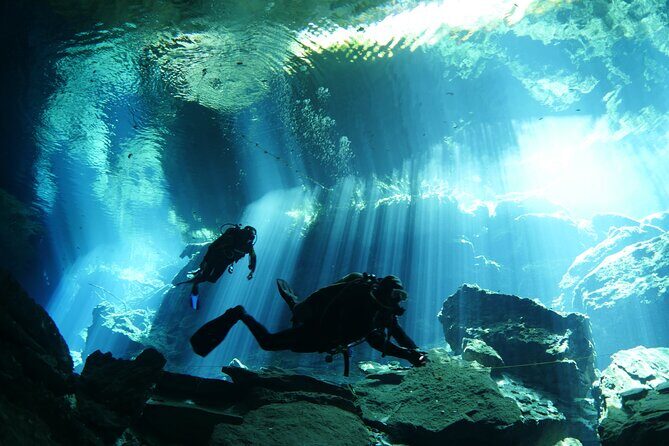
After you meet at the scuba center, you’ll complete paperwork and get fitted with what you need. Tanks and weights are included, and there’s also an underwater lamp rental as part of the trip (handy because cenote light is not optional if you want to see clearly).
The briefing is a big deal here. Your guide—described as full cave-trained and also an Open Water scuba instructor—will walk you through how the environment works and what procedures to follow. You’re not just handed gear and sent in; you get instructions designed for working in a cavern system with visibility changes and a fixed route.
One practical thought: if you’re between certifications and haven’t been in the water recently, treat that briefing like part of your prep. Show up ready to absorb it, ask quick questions if anything feels off, and you’ll have a calmer time once you’re underwater.
What Permanent Lines Change Underwater
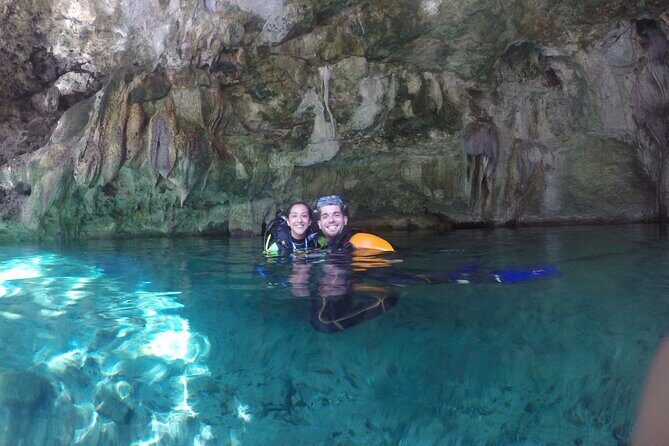
The tour follows permanent lines inside the caverns. That’s not a small detail—it’s the difference between a stressful navigation situation and a guided, confidence-building route.
Here’s how to think about it as a diver/scuba user:
- You’re still breathing through the same gear challenges and adjusting to cenote conditions.
- But you’re not relying on landmarks alone or trying to “find your way” with limited reference points.
- The line system gives you a predictable pathway and helps your guide manage the group.
There’s a max depth of 50 feet / 15 meters. That ceiling is valuable for planning your comfort and gas management. Combined with the line setup and the instructor briefing, it’s part of what makes this tour approachable for the right certification level.
The Two 45-Minute Tank Sessions and the 45-Minute Surface Break
This is a true two-session day, with each in-water session lasting around 45 minutes. After the first session, you’ll have a surface interval of about 45 minutes.
That surface interval is where the tour earns its keep. You’ll get refreshments, snacks, and a sandwich. Real food and soft drinks mean you’re not climbing out hungry and then trying to focus on the second session.
In a cenote, the environment can feel still and enclosed. So the surface break isn’t just about eating—it’s time to reset your head, check how you feel, and get ready for the second go. If you tend to run cool or feel sluggish between water sessions, this kind of planned recovery time is a welcome relief.
Then it’s back in for the second in-water session, again on the permanent line system. The day ends with the truck back to the scuba center, usually returning around 3:30 pm.
Chac Mool vs Dos Ojos: Fees and Camera Rules to Know
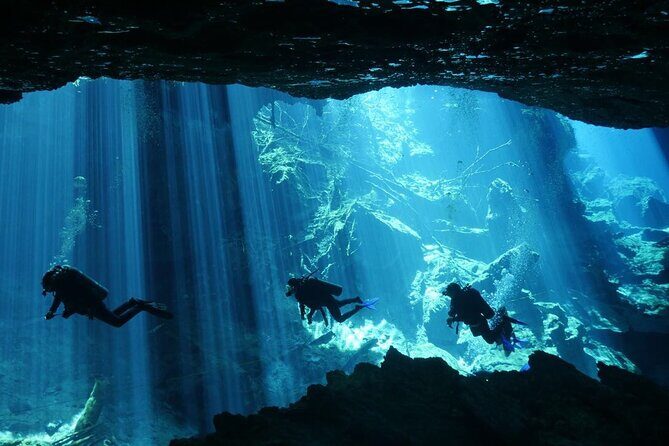
The cenote you visit can be either Chac Mool or Dos Ojos, based on the day’s plan. You don’t choose from home; you go where they take you. Each option has a different cost and slightly different expectations around photography.
Other scuba diving tours in Playa del Carmen





Entrance fees (cash only)
- Chac Mool: 300 MXN
- Dos Ojos: 600 MXN
These are not included, and they’re cash only. Bring the right currency to avoid last-minute stress.
Camera use can cost extra
Cenotes are privately owned, and camera rules vary. Some cenotes don’t allow camera use at all. Others allow it but may charge for camera use, with prices that can range from about 20 USD to 60 USD depending on the camera.
If photography is part of why you want this trip, treat camera rules as a core planning item, not an afterthought. If you’re bringing anything beyond a basic setup, ask early about what’s allowed and what the potential fee could be. That way you can decide whether to rent properly, travel light, or switch expectations to phone-only shots on the surface.
Cost Breakdown: Value of Included Gear vs On-Site Extras
Let’s make the money make sense. Your baseline includes:
- 2 in-water sessions at one cenote
- Tanks and weights
- Roundtrip transportation from the scuba center
- Water and soft drinks
- Snack and sandwich
- Underwater lamp rental
On top of that, you have a few common extra expenses:
Equipment rental (if you need it)
You can rent a full scuba set for 25 USD. The included items listed are BCD, regulator, dive computer, wetsuit, mask, and fins.
This can be good value if you don’t want to travel with bulky gear or your home equipment doesn’t fit perfectly. If you already own a well-fitting mask and fins, you might consider only renting what you need most. But the tour data only clearly states a full set rental price, so plan around that option.
Cenote entrance fees
As noted above, these are separate and cash-only:
- Chac Mool: 300 MXN
- Dos Ojos: 600 MXN
Camera fees (possible)
Camera charges depend on the cenote and your camera type/setup. Prices can range from 20 USD to 60 USD when camera use is permitted and charged.
So is this trip good value? For the kind of training-limited, structured cenote experience it is, yes—because you get two timed in-water sessions, transport, food, and key equipment support. The value is reduced only if you arrive unprepared for entrance fees and camera rules. Plan for those, and the day feels like a complete package.
Who This Cenote Two-Tank Trip Fits Best
This trip is for certified scuba users, with a clear minimum requirement: you need at least Open Water certification. You also need to have been underwater within the last 6–12 months to participate, and the additional details specify within the last 12 months.
In real terms, that means:
- If you’re recently certified and have done at least one solid trip or practice within the past year, you’re likely a good match.
- If it’s been more than a year, you may want extra practice before committing to a cenote cavern route.
There’s also a moderate physical fitness level requirement. You’ll be moving around on site with gear, getting in and out of the water, and handling the flow of a two-session day. Most people can do it, but it shouldn’t be treated as a casual stroll.
Group size is capped at 8 travelers, which tends to support better control of the group and fewer delays. If you like guided structure rather than improvising, this setup makes sense.
Tips to Have a Smooth Day (and Enjoy It More)
A few practical tips based on how the day is run:
Plan for the cash requirements. Cenote entrance fees are cash only. Having the right MXN ready saves time and keeps you from scrambling right before you head in.
Treat the equipment fit as part of your fun. If you’re renting, be sure your mask sits right and your fins feel comfortable. Cenotes can make you pay attention for longer than open water training dives, so comfort helps you enjoy what’s around you.
Charge and protect your underwater plans. If you’re bringing a camera, don’t assume it’s allowed. Cenotes can be different even within the same region, and camera permission can change the whole trip.
Do the breathing basics like you mean it. Even with permanent lines and a clear max depth, you’re still in a confined environment. Calm breathing makes everything easier—staying balanced, staying aware, and staying relaxed for the second session.
Should You Book This Two-Tank Cenote Scuba Trip?
I’d book this if you meet the certification and recency requirements and you want a structured, small-group cenote experience with a guide who understands cavern conditions. The permanent line setup is a huge part of the value: it makes navigation more manageable and keeps the day focused on the underwater experience rather than worrying about where to go.
I’d pause and ask extra questions if cameras are a must-have for you. Between “not allowed,” “allowed with fees,” and the fact that fees can run from 20 USD to 60 USD, it’s easy for a photo plan to turn into an unexpected cost.
Overall, for certified scuba users who want two well-timed in-water sessions, real food during the surface interval, and a guided cavern route, this is a strong choice from Playa del Carmen.
FAQ
What time does the tour start?
It starts at 8:00 am, with the activity ending back at the meeting point around 3:30 pm.
Where do we meet and where does it end?
The meeting point is Calle 4 Norte/Calle 4 Nte, Centro, Playa del Carmen, Q.R., Mexico, and the tour ends back at the same location.
How long is the trip?
The duration is approximately 7 hours.
What certification do I need?
You must have at least Open Water scuba certification from a recognized agency and show proof of it.
Do I need recent scuba experience?
Yes. You must have dove within the last 6–12 months to participate, and the additional info specifies within the last 12 months.
How deep do the sessions go?
The max depth is 50 feet (15 meters).
What’s included in the price?
Included features are 2 in-water sessions at one cenote, tanks and weights, roundtrip transportation, water and soft drinks, snack and sandwich, and underwater lamp rental.
What’s not included?
Scuba equipment rental is not included (full set rental listed at 25 USD). Cenote entrance fees are also not included, and camera use may have additional charges depending on the cenote.
How much are the cenote entrance fees?
Chac Mool is 300 MXN and Dos Ojos is 600 MXN. Both are cash only.
Cancellation question
What if weather is bad?
The experience requires good weather. If it’s canceled due to poor weather, you’ll be offered a different date or a full refund.