REVIEW · PLAYA DEL CARMEN
Cenotes by Bike and Mayan Cooking Class Half-Day Guided Tour
Book on Viator →Bookable on Viator
Four cenotes and Mayan pork, in one half-day. I love how the day starts at a home kitchen with cochinita pibil prep, then you head out on bikes for less-commercial cenotes where the water feels clear and calm.
The best part for me is the small group size and the personal feel, with hosts Gilmer and Gael guiding you through both the cooking and the water time. One thing to plan for: mosquitoes can be a real factor around cenotes, so bring insect repellent.
In This Review
- Key Highlights You’ll Actually Care About
- How the Day Flows: Cooking First, Then Cenotes by Bike
- Preparing Cochinita Pibil the Mayan Way (And Why It Matters)
- Four Cenotes, Chosen to Feel Less Crowded
- Cenote Xunaan Ha: Open Water, Jump Platforms, and Snorkel Time
- The Lunch Moment: Cochinita Pibil Served Like Home Cooking
- What’s Included (And What You Should Plan For)
- Group Size, Pace, and Language: Small Enough to Feel Personal
- Mosquitoes and Water Comfort: The One Caution I’d Listen To
- Is This Tour Worth $59.78? A Practical Value Check
- Who Should Book Cenotes by Bike + Mayan Cooking
- Should You Book This Half-Day Cenote and Cooking Tour?
- FAQ
- How long is the tour?
- What time does the tour start?
- Where does the tour meet, and where does it end?
- What’s included in the price?
- What will I eat?
- How many cenotes do you visit?
- Can I cancel if my plans change?
Key Highlights You’ll Actually Care About
- Personal hosting by Gilmer and Gael makes it feel more like a day with locals than a factory tour.
- Cochinita pibil cooked the Mayan way with ingredients explained upfront, then banana leaves used for slow cooking.
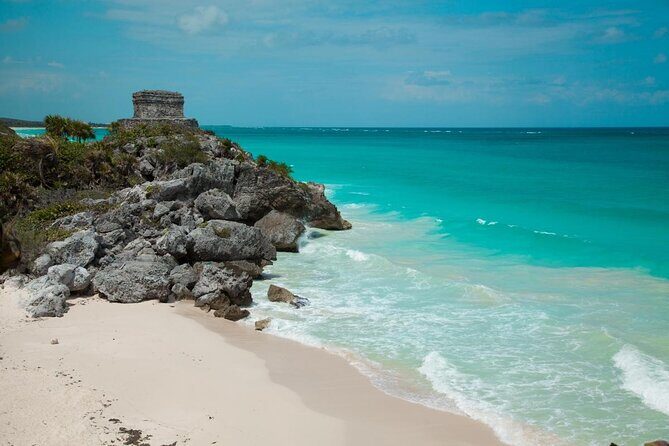
- Four cenotes in one outing, each with a different vibe and all chosen to avoid the most crowded, commercial areas.
- Snorkel masks and life jackets included, so you can focus on the water instead of equipment shopping.
- Lunch back at the house: cochinita pibil served so you can build your own tacos and eat as much as you want.
- Bike travel keeps things efficient, letting you move between cenotes without long waits.
How the Day Flows: Cooking First, Then Cenotes by Bike
This is the kind of tour where timing matters, and they handle it well. You start in the morning with the pork cooking process already in motion, then you bike out and snorkel while it cooks. That way, you are not rushing through lunch later, and the food actually arrives tasting like it had time.
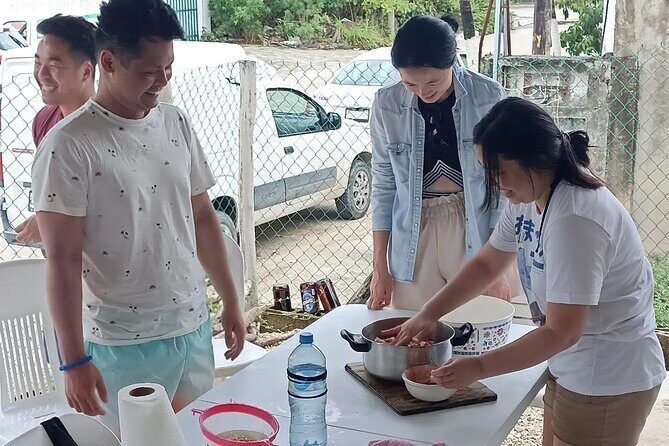
You’ll get a close-up look at what’s going into the meal before anything hits the heat. The host explains the ingredients they’ll use, and you’ll see the meat get seasoned, wrapped, and set to cook for about 2.5 hours. It feels practical and real, not like a quick demo where you don’t learn much.
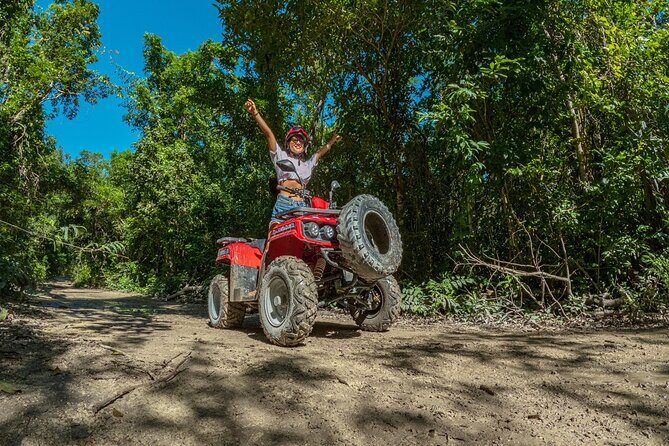
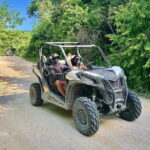
Then comes the active part: bikes and snorkeling at four different cenotes. The bike rides link the stops in a way that keeps the day moving at a good pace, especially if you’re staying around Playa del Carmen and want a half-day plan that doesn’t eat your whole schedule.
Other Mayan ruins tours we've reviewed in Playa del Carmen
Preparing Cochinita Pibil the Mayan Way (And Why It Matters)
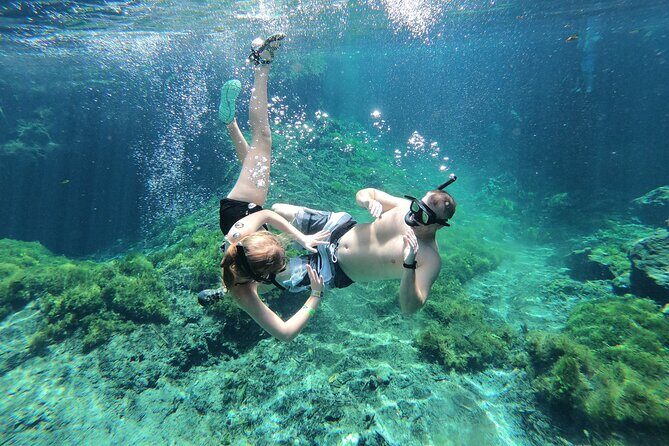
This cooking section is the heart of the experience, and it’s more than just watching. You begin at the cook’s home where the process starts right in front of you, with ingredients laid out so you can follow what’s happening. Think of it as learning the order of operations, not just tasting the final result.
The method they use is clearly traditional: the meat is seasoned, then covered with banana leaves, then placed to cook for roughly 2.5 hours. In many tourist versions of Mexican cooking, you see spices and heat, but not the step-by-step logic. Here, the banana leaf wrap is the clue that you’re doing this the long, slow way.
By the time you return, you understand why it tastes the way it does. You’re not eating a meal you didn’t help make sense of. You’ll also get to see what “Mayan style” means in practice, since it’s presented as local cooking from the Yucatán peninsula rather than a generic cooking show.
If you’re someone who likes food but also likes context, this is the sweet spot. You get the cooking, the timing, and the payoff. And yes, your nose gets a preview long before lunch.
Four Cenotes, Chosen to Feel Less Crowded
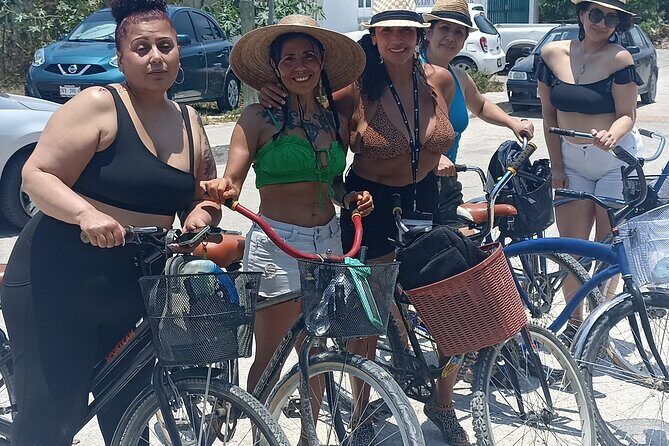
After cooking starts, you head out on bikes for cenote time. The big promise here is that you won’t just hit the most famous, commercial stops. You’ll explore cenotes around the Tulum area that are described as not commercial and visited by fewer locals, with the guides knowing how to reach them.
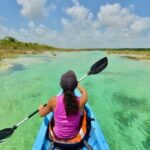
That selection changes the whole mood. Instead of constantly sharing space with tour groups, you get stretches where it feels quieter and more natural. The water also gets described as crystal clear, which matters because you’ll likely be spotting details while snorkeling.
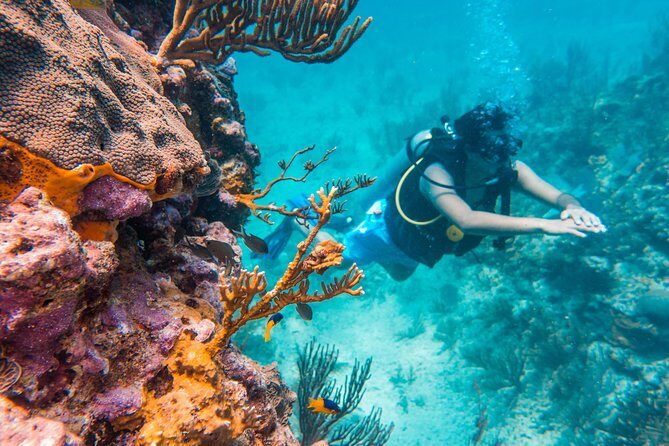
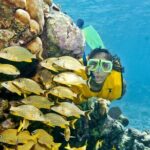
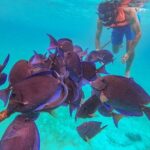
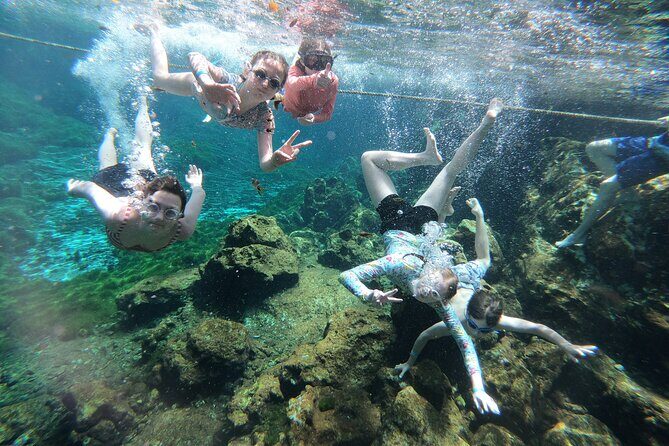
Also, the experience isn’t just “go stand near the water.” There’s active snorkel time, and the tour includes snorkel masks and life jackets. The masks help for underwater viewing, and the life jacket helps you feel more comfortable in the water, even if you’re a confident swimmer.
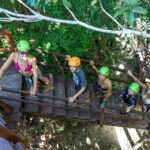
One more smart touch: the cenotes are described as four very different stops. That variety keeps things interesting, because each cenote changes the feel—some have open areas, some involve tunnel-style sections underwater, and the overall experience shifts stop to stop.
Cenote Xunaan Ha: Open Water, Jump Platforms, and Snorkel Time
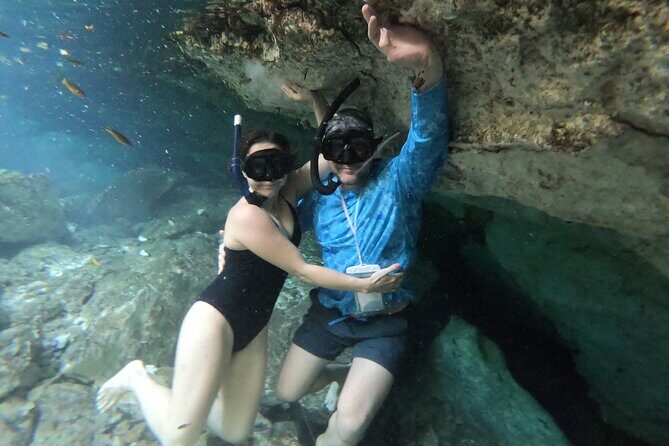
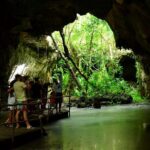
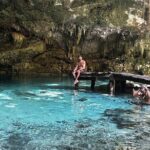
Your final cenote stop is Cenote Xunaan Ha, and it’s the most open-feeling of the day. It has two wooden platform areas where you can jump in. If you’re comfortable doing jumps, this is the moment where the fun goes from calm to playful.
The stop also includes snorkel time, with masks used to explore around for about 30 minutes or more. You’re not just floating at the surface either. This is where the tour style gets practical: snorkeling gear is provided, and you get enough time to look around rather than doing a quick check-in and leaving.
One detail worth noting: snorkel masks and snorkel are described as not strictly required, but they are available for use, especially for underwater tunnel areas. If you’re not into going underwater for tunnels, there are alternate routes mentioned if you prefer not to do the tunnel sections.
There’s also an admission ticket included here, and the stop runs about 40 minutes. That timing is short enough to keep the day moving, but long enough that you can actually do a couple of passes—look, reorient, then swim a bit more.
The Lunch Moment: Cochinita Pibil Served Like Home Cooking
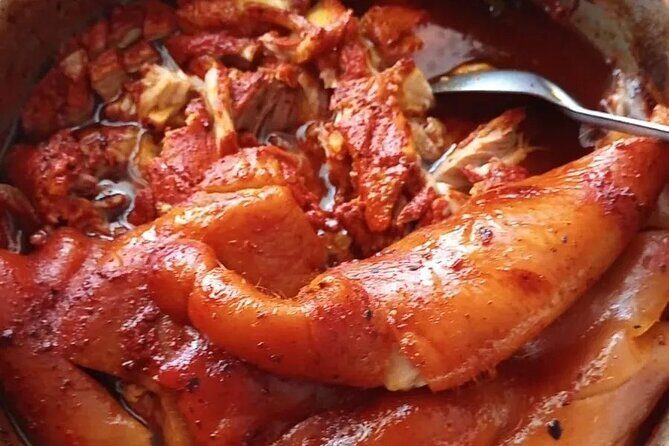
When you wrap up the cenotes, you go back to the home where the pork was cooking. This matters because the food is ready when you arrive, instead of being held somewhere else or assembled quickly. You’ve also been working up an appetite with bikes and water time, so lunch lands at the right moment.
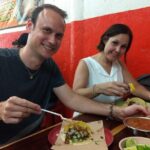
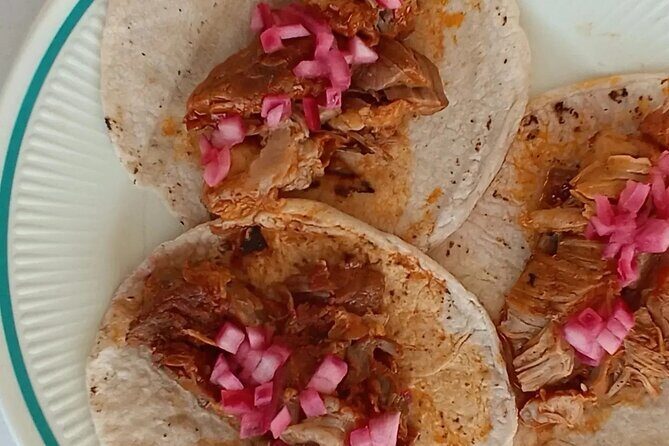
Lunch is cochinita pibil, described as an authentic traditional Mayan style pork dish. You’ll eat at the house where it was prepared earlier, which makes the whole day feel connected. It’s not “here’s lunch from a restaurant after your activity.” It’s the same people, the same process, the same meal.
They keep lunch interactive in a simple way: you can make your own tacos and eat many. That’s great if you have a heavier appetite or if your group has mixed preferences on tortilla-to-filling ratio.
If you want a souvenir version of this meal, you don’t get the packaged recipe handout mentioned here, but you do get the real learning part during the cooking prep. That’s the tradeoff: the tour focuses on experience and understanding, not on selling you a booklet.
Other cycling tours in Playa del Carmen
What’s Included (And What You Should Plan For)
This outing is priced at $59.78 per person, and the value is tied to what’s covered. You’re getting a full half-day plan with bikes, entrance fees, guide service, snorkeling masks and life jackets, plus lunch.
Here’s what’s included:
- Bikes
- Snorkel masks and life jackets
- Entrance fees
- Guide service
- Lunch (cochinita pibil)
And here’s what you’ll want to budget separately:
- Bottled water
- Tips
That might sound obvious, but it affects comfort. If you’re out for about 4 hours starting at 9:30 am, you’ll want water on hand right away. The tour doesn’t include bottled water, so I recommend carrying your own or planning to buy it before you start.
Also remember: you’ll be outdoors for multiple cenote stops. Even if you feel fine at noon, the heat and bug factor can change quickly near water.
Group Size, Pace, and Language: Small Enough to Feel Personal
The group limit is 8 travelers max, and that small size shows up in how the day feels. A smaller group is easier to manage in water settings, and it also makes the guides more responsive when conditions change.
The tour is offered in English, so you shouldn’t need translation apps or guesswork to understand the cooking and safety guidance.
The tour runs about 4 hours total and ends back at the meeting point. That keeps planning simple if you want to tack on dinner plans in Playa del Carmen afterward.
There’s also mention that the meeting point is near public transportation, which can matter if you’re not driving or you’re trying to keep costs down with local transit.
One more small planning tip: the experience is often booked about 35 days in advance on average. If you want a specific day, earlier booking helps you get the slot you want.
Mosquitoes and Water Comfort: The One Caution I’d Listen To
The most realistic drawback shows up in the feedback: mosquitoes around cenotes. It’s not a dealbreaker, but it is something you should treat seriously so the day stays fun.
So here’s my practical advice:
- Bring insect repellent and use it before you start moving between water stops.
- Consider wearing clothing that gives you some coverage if you’re sensitive to bites.
- Bring a plan for repellent that still works when you’re sweaty and by the water.
On the water side, the good news is that the tour design includes life jackets and alternate routes if you’re not comfortable with underwater tunnel sections. You’re not forced into one kind of snorkeling.
In other words, you can pick how adventurous you want to be. If you enjoy underwater exploring, use the masks. If not, you still get to experience the cenotes.
Is This Tour Worth $59.78? A Practical Value Check
This price is not just for “see a cenote.” It includes a package of costs that add up fast: bikes, entrance fees across multiple cenotes, snorkeling gear, life jackets, and a cooked lunch.
When you price out those pieces separately, it starts to make sense. The biggest value is that you’re paying once for transportation between cenotes, access fees, and guided time, instead of juggling multiple stops with separate tickets and gear rentals.
The second value lever is the group size. A maximum of 8 travelers can make the whole experience feel personal, which you’ll notice most in the cooking part. Being able to ask questions about ingredients and process is easier when the group isn’t huge.
And the day is built around a real payoff: you cook the pork process early, then you return for lunch that connects to what you learned. That connection is what turns this from a standard activity into something more satisfying.
If you want a half-day that feels both active and cultural—without a long bus ride—this has strong value.
Who Should Book Cenotes by Bike + Mayan Cooking
I’d point you here if you fit any of these:
- You want cenotes that feel less crowded, not just the biggest tourist circuit.
- You like food experiences that teach you something, not just feed you.
- You’d enjoy snorkeling but also want options if you’re not jumping into tight underwater areas.
- You prefer a small group with hosts who explain what’s happening.
This might be less ideal if you hate bugs enough that you don’t want to manage repellent, or if you’re expecting a long, slow museum-style history talk. The focus here is practical cooking plus real cenote time.
Should You Book This Half-Day Cenote and Cooking Tour?
If you want a half-day plan that combines bike-driven cenote exploring with a hands-on, traditional meal (cochinita pibil) cooked on-site, I think this is a strong choice. The small group limit, the hosts’ hands-on approach, and the emphasis on non-commercial cenotes are the reasons it works.
Book it if you can handle mosquitoes with repellent and you want a day that feels personal rather than scripted. Skip it if you’re looking for a big-city-style tour bus experience or if underwater tunnels are a hard no for you and you don’t want to choose alternate routes.
Either way, you’ll leave with two things many travelers don’t get: a clear sense of how the cooking works, and cenote memories that don’t feel packed.
FAQ
How long is the tour?
The tour lasts about 4 hours.
What time does the tour start?
The start time is 9:30 am.
Where does the tour meet, and where does it end?
It starts at 77774 Ciudad Chemuyil, Quintana Roo, Mexico, and it ends back at the meeting point.
What’s included in the price?
The tour includes snorkel masks and life jackets, bikes, entrance fees, guide service, and lunch (cochinita pibil).
What will I eat?
You’ll eat cochinita pibil, a traditional Mayan style pork dish, and you can make your own tacos and eat as much as you want.
How many cenotes do you visit?
You visit four different cenotes.
Can I cancel if my plans change?
You can cancel up to 24 hours in advance for a full refund.