REVIEW · PLAYA DEL CARMEN
Cenotes diving Dos Ojos and The Bat Cave
Book on Viator →Operated by Diversland Mexico · Bookable on Viator
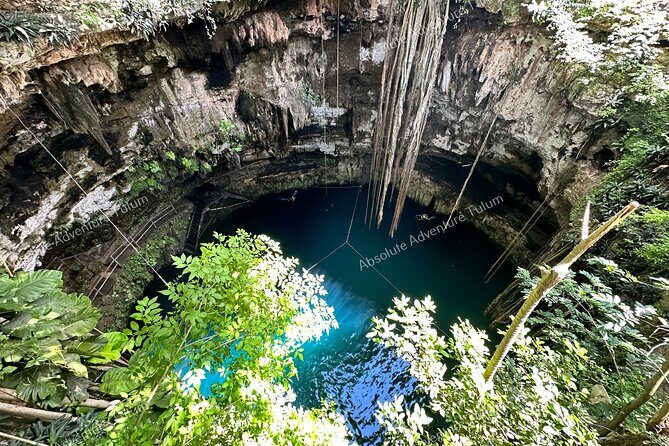
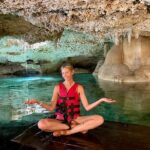
Cenotes feel like another planet. This is a guided cenote scuba outing that pairs two very different underwater routes in one morning/early afternoon loop, with incredible water visibility and plenty of time to pause, snack, and look up at the ceiling. The two highlights I love are the split experience at Dos Ojos (the bright Barbie Line and the darker Bat Cave section) and the fact you get a real support team on hand for a confident, beginner-friendly experience. One thing to consider: you’ll need basic certification for the scuba part, and you’ll also fill out a health questionnaire before going in.
The setup is built for comfort and clarity: hotel pickup in Playa del Carmen and Playacar, a multilingual guide, and gear essentials like tanks plus weights and belt included. And if you’re not doing the scuba portion, there’s an off-water snorkeling alternative. Overall, it’s the kind of tour that tries to make the day feel smooth, not rushed, which matters when you’re working around caves, rules, and changing light.
In This Review
- Key points
- Price and what the $210 buys you
- The day plan: 8:00 start, pickup, and an easy rhythm
- Dos Ojos: Barbie Line light versus the Bat Cave dark
- Bat Cave: tunnels, rooms, and bat viewing from above
- Snacks, rest, and why this matters for a cave day
- If you’re not doing the scuba part: snorkeling is offered
- Who teaches you: professional support and real logistics
- Certification, health questions, and the one big gatekeeper
- Gear and the small cost that can change your budget
- What to pack so you feel ready (and not frantic)
- Should you book this Dos Ojos and Bat Cave combo?
- FAQ
- What is the duration of the Dos Ojos and Bat Cave tour?
- Is pickup from Playa del Carmen included?
- Do I need scuba certification?
- What if I don’t scuba?
- What gear is included, and what costs extra?
- What age limit applies for cenote scuba?
Key points
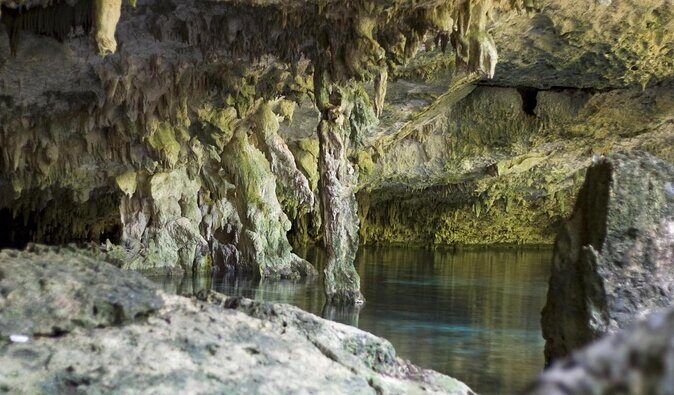
- Two cenotes, two moods: Dos Ojos runs from a bright, open feel to a darker, tunnel-heavy section.
- Snacks and breaks in the middle: You’re not stuck going non-stop back to back.
- Private group structure: Your group has its own instructor and only your party participates.
- Hotel pickup included: You get picked up from the Playa del Carmen center and Playacar.
- Bats are part of the show: The Bat Cave route includes ascending to see bats and decorations.
Price and what the $210 buys you
At $210 per person for about 5 hours, this tour is trying to hit a sweet spot: you’re paying for more than just entry into two cenotes. You also get hotel pickup, a multilingual professional guide, 2 tanks, and weights and belt, plus all fees and taxes are included.
That matters because cenote days can turn into surprise add-ons fast. Here, the big costs (access, guide time, and tanks) are already part of the price, so you’re mostly just deciding on the extra gear layer. The only common extra is equipment rental, listed at $15 USD per day, if you don’t already have your own setup.
If you’re bringing your own gear, you still need to confirm what your plan covers on the day. The tour includes tanks and weights/belt, so you may only need rental for other items, depending on what you already have.
Other scuba diving tours in Playa del Carmen
The day plan: 8:00 start, pickup, and an easy rhythm
This experience starts at 8:00 am and meets at Plaza Palmeiras on C. 11 Sur in Playa del Carmen. The tour ends back at the meeting point, which usually makes the day feel simpler than arranging a separate return.
A key practical detail is the tour is designed as a private group. That usually means you’re not being mixed into a large crowd with constant reshuffling. It also fits families and small groups well, since the format notes that groups or families get their own private instructor.
Expect a structure that goes like this in plain terms: get picked up, go to the cenotes, complete two separate underwater sessions in two different cenotes, then take a break with snacks between them, and head back. With a total of about five hours, it’s long enough to feel worth your morning, but not so long you’re exhausted before the second location.
Dos Ojos: Barbie Line light versus the Bat Cave dark
Dos Ojos is named for the way two caverns sit near each other, connected by a shared area. The tour experience gives you two very different in-water routes within Dos Ojos, and that’s honestly the best argument for pairing it with the Bat Cave rather than doing only one spot.
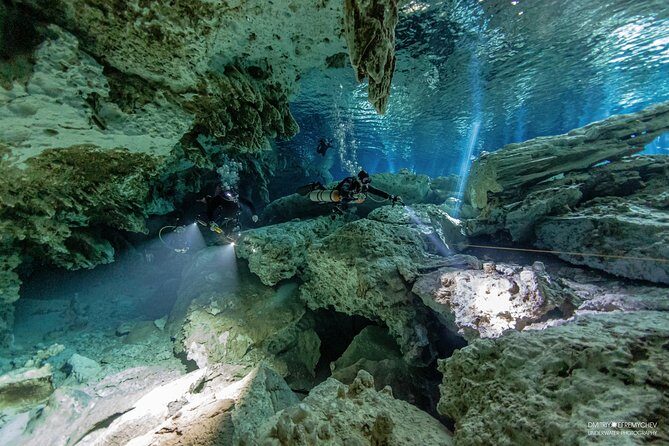
In the Barbie Line, the lighting is strong and the scene opens up. You get a lot of light, lots of space, and the tour emphasizes huge stalactites and columns. If you’re nervous about feeling cramped underground, this is the segment that helps you get your bearings fast, because visibility is highlighted as amazing and the water tends to feel less claustrophobic.
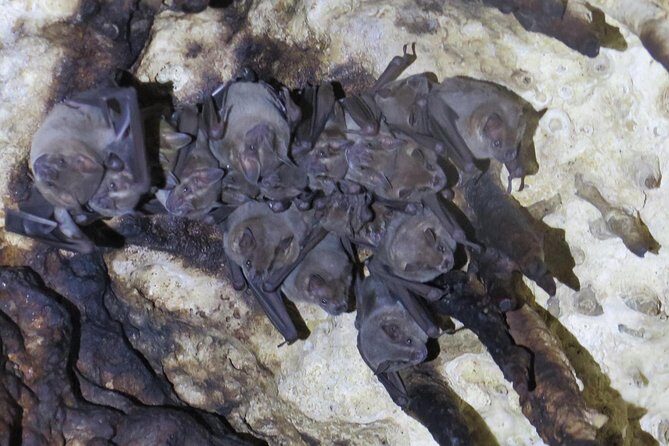
Then comes the Bat Cave line, which shifts the mood dramatically. This part is described as darker with many tunnels and rooms, and you can feel more like you’re in a cave. You’ll also follow a route that leads around an air-filled bat cave, with the plan to ascend and view bats and decorations. The change in lighting is not a minor detail here; it’s the whole point of Dos Ojos having “two eyes.”
Bat Cave: tunnels, rooms, and bat viewing from above
After the Dos Ojos portion, you move to the Bat Cave experience that’s more about atmosphere than wide-open space. The tour descriptions focus on low-light areas, tunnels, and rooms, which is exactly what many people come for when they want that true cenote feeling.
What I like is that the bat component is built into the experience instead of being a random hope. You ascend as part of the route to see the bats and the decorations, so you’re not just trusting luck.
One caution: because sections are described as darker and cave-like, you’ll want to be comfortable following instructor directions and staying on schedule. If you’re the kind of scuba participant who panics when visibility drops, pick your mindset before you arrive. The guides are there to help, but the environment still sets the tone.
Snacks, rest, and why this matters for a cave day
Cave and cenote conditions make timing and recovery part of safety. This tour includes time to rest and enjoy snacks in between the two sessions, plus bottled water and snacks are listed as included.
That break is more than comfort. It gives you time to get control of your breathing before the next water section and to reset your gear checks. It also helps if you’re splitting roles in your group—like one person doing scuba while another opts for snorkeling—since everyone can regroup.
If you’re a slower pace participant, that break often means you can still enjoy the stalactites, stalagmites, and the whole “waiting for your eyes to adjust” feeling rather than rushing through each scene.


If you’re not doing the scuba part: snorkeling is offered
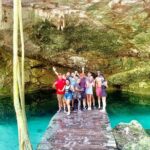
This tour isn’t only for scuba participants. If you don’t want to do the scuba portion, the experience offers snorkeling in the cenote.
Because the tour also notes that instructors are available and that groups or families can have a private instructor, I’d expect the non-scuba plan to be managed with the group’s needs in mind rather than treated as an afterthought. That’s valuable if you’re traveling with someone who wants the cave atmosphere but doesn’t need scuba certification.
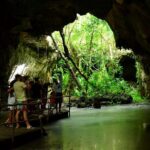
If you’re the snorkeler in your group, you’ll want to go in expecting you’ll still be in a cave-like environment, not a beach lagoon. The tour’s appeal is clearly about stalactites, stalagmites, and those bat moments, so the underwater world is the draw even when you’re not using scuba gear.
Who teaches you: professional support and real logistics
The tour emphasizes a professional team of guides and diving instructors, and the included guide is multilingual. That shows up in a practical way: you should get a clear briefing and direct support during the sessions.
Some of the highest praise in the feedback for this company centers on safety and organization. Names that come up include Patrick for instruction and overall professionalism, Ana for logistics and planning, and Dima for humor and underwater know-how. Another name that appears is Elana, who is praised for patience during a refresher course.
You should not treat those names as guarantees for your specific date, but they do reflect the kind of service style this operation tries to deliver: organized pickups, quality gear, patient coaching, and clear instruction.
Certification, health questions, and the one big gatekeeper
There’s one hard requirement that drives everything: basic certification is required for the scuba portion. The details state you must show evidence of certification such as Open Water Diver PADI or equivalent.
Minimum age for cenote scuba is 15 years. Also, the tour notes that diving within 24 hours of flying isn’t recommended, and you must complete a health questionnaire. Some pre-existing conditions (example listed: asthma and heart conditions) may prevent you from diving, and it suggests checking with your doctor.
This is one of those moments where being prepared saves stress. Have your certification proof ready, and be honest on the health questionnaire. If you’re on the edge because of asthma or a heart condition, it’s better to confirm before you travel than to get turned away at the start.
Gear and the small cost that can change your budget
Here’s the clean part of the math: the tour includes 2 tanks, weights and belt. That covers the essentials that many travelers expect to pay for separately.
What’s not included is equipment rental at $15 USD/day. Depending on what you own, you might only need rental for items you didn’t bring. The safest approach is to double-check what you’re bringing versus what the tour’s “not included” list implies on arrival.
Also note diving insurance is listed as optional. If you already carry a policy that covers scuba in cenotes, you can use that. If not, you can add it, but that’s a separate decision.
What to pack so you feel ready (and not frantic)
For a cenote day, plan for wet conditions, quick changes, and short windows to get set before you go in. Bring a swim-ready change of clothes and something easy to wear for the ride between locations.
Since the tour includes bottled water and snacks, you don’t need to overpack food. But you might still want a small personal snack you like if you know you get hungry between segments.
If you’re renting gear for a $15 USD per day add-on, show up with your own mask option if you have one. A comfortable fit can make the underwater part feel calmer, especially when the route includes darker tunnel sections.
Should you book this Dos Ojos and Bat Cave combo?
I’d book this if you want a well-organized cenote experience that gives you two distinct underwater atmospheres in one day, plus a real backup plan if someone in your group doesn’t want scuba. The value is strongest because pickup, tanks, weights/belt, and all fees and taxes are included in the $210 price.
I’d think twice if you don’t have the required scuba certification or if you’re unsure about the health questionnaire rules. It’s also not the best choice if you hate following strict instructions in low-light cave conditions, since part of Dos Ojos and the Bat Cave section are described as darker with tunnels and rooms.
If you’re excited by stalactites, stalagmites, and that bat moment, this pairing is built to deliver it efficiently. The format is simple: get coached, go in for two sessions, snack and rest, and come out with photos and memories that look nothing like a standard reef day.
FAQ
What is the duration of the Dos Ojos and Bat Cave tour?
It runs for about 5 hours.
Is pickup from Playa del Carmen included?
Yes. Pickup is included from hotels in the Playa del Carmen center and Playacar.
Do I need scuba certification?
Yes. Basic certification evidence is required for anyone participating in the certified scuba portion (example given: Open Water Diver PADI or equivalent).
What if I don’t scuba?
Snorkeling in the cenote is offered for those who don’t dive.
What gear is included, and what costs extra?
Included: 2 tanks, weights, and belt. Not included: equipment rental is listed at $15 USD/day.
What age limit applies for cenote scuba?
The minimum age is 15 years for cenote scuba diving.