REVIEW · COZUMEL
Chocolate Workshop
Book on Viator →Operated by THE MAYAN CACAO COMPANY · Bookable on Viator
If chocolate could talk, it would start with cacao. This 1.5-hour workshop at The Mayan Cacao Company is built around a hands-on process and a clear story of how cacao was used in Mayan life—plus the practical part: you’ll make a bar you can replicate later at home. You’ll also get a feel for the place, not just a generic demo.
What I really like is the interactive format. You do the work—grinding cacao and mixing ingredients—rather than just watching someone else play chef. I also like how guides keep the group moving with clear instruction; I’ve seen examples like Angel translating smoothly in both English and Spanish so nobody gets left out.
One thing to keep in mind: the room can run hot, especially around the video and indoor steps. Bring water, and dress light so you can enjoy the class instead of counting minutes.
In This Review
- Quick Key Points
- What You Do at The Mayan Cacao Company (and Why It Feels Real)
- From the First Steps to Your Chocolate-Maker Game Plan
- Grinding Cacao: The Most Memorable (and Arm-Workout) Part
- Your Chocolate Bar (Plus Samples and Sometimes More Fun)
- What the $39 Price Really Covers (and What You Might Pay Elsewhere)
- Guides Make the Difference: English Support and Group-Friendly Pacing
- Timing Your Workshop With a Cruise Day or a Beach Plan
- Who Should Book This Chocolate-Making Class
- Should You Book the Chocolate Workshop in Cozumel?
- FAQ
- How long is the Chocolate Workshop in Cozumel?
- Where does the workshop take place?
- What does the $39 price include?
- Is the workshop offered in English?
- Do I get a mobile ticket?
- Will I receive confirmation after booking?
- Can I bring a service animal?
- What physical demands should I expect?
- Are pictures or souvenirs included?
- Can I cancel and get a refund?
Quick Key Points
- Hands-on grinding with mortar and pestle, so you feel the process (and yes, it’s a workout)
- Cacao history + practical making steps, so you can recreate it later at home
- Take-home chocolate from the bar or disk you make, not just samples
- Clear guide support in English (often with Spanish too), which helps for mixed-language groups
- Small “extras” can happen, like tastings of other chocolate varieties or a chocolate margarita experience
- Watch the heat indoors and plan for a bit of taxi time if you’re not already nearby
What You Do at The Mayan Cacao Company (and Why It Feels Real)
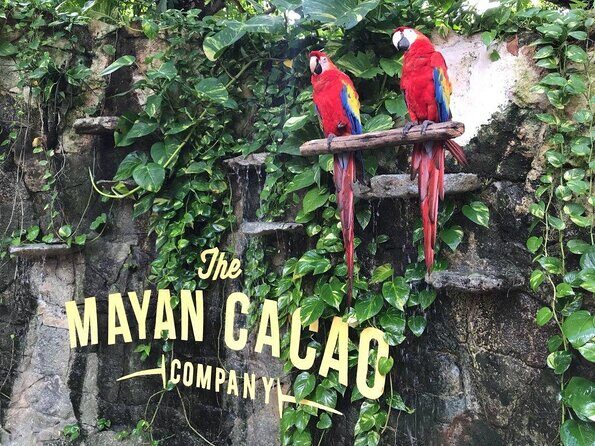
Cozumel has no shortage of things to do. This one works because it’s not only about eating chocolate—it’s about making it. You trade passive sightseeing for a skill you can actually take home. And since the whole session runs around 1 hour 30 minutes, it fits neatly into a cruise day or a lighter beach afternoon.
The setting is a workshop, not a theater. That matters. When you’re mixing and grinding, you understand texture and timing. When you’re told why ingredients are added, you remember it. The class is also structured so you’re not left wondering what happens next.
If you’re coming in expecting a strict “Mayan simulation,” you might feel a little touristy at times. But if you’re open to learning the basics of cacao-to-chocolate the way the Mayans did it (then adapting it to modern tastes), you’ll likely enjoy the full arc of the experience.
A few more Cozumel tours and experiences worth a look
From the First Steps to Your Chocolate-Maker Game Plan
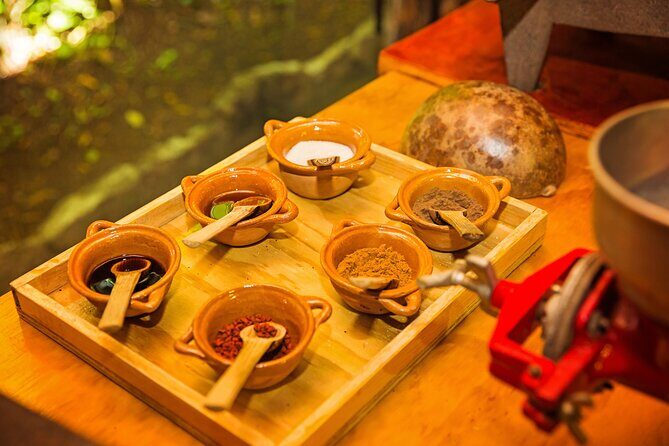
You generally start with an intro—often a short video—followed by a guide-led history of cacao and its role in early cultures. This part isn’t long, but it gives context. You hear about what cacao meant beyond sweetness, which makes the hands-on portion land better.
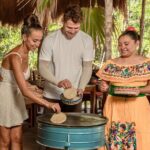
Then comes the tasting and orientation. Some people get a chance to sample things like freshly made corn tortillas before the chocolate-making gets underway. Even if you don’t catch every extra on your day, you’ll still have that “okay, this is what cacao pairs with” moment that makes the class feel grounded.
Guides can be a big deal here. I’ve seen examples of Paty running the history and instruction with a very friendly, kid-friendly pace, and Eduardo keeping things personable and welcoming. When English is your main language, you’re in good shape: the workshop is offered in English, and guides may also switch in Spanish when needed so everyone stays on the same page.
Practical tip: if you’re sensitive to heat or crowded rooms, plan to arrive ready to cool down. One downside that pops up is that the indoor sections (video and prep areas) can feel uncomfortably warm. Light clothing and a small water bottle can be a simple fix.
Grinding Cacao: The Most Memorable (and Arm-Workout) Part
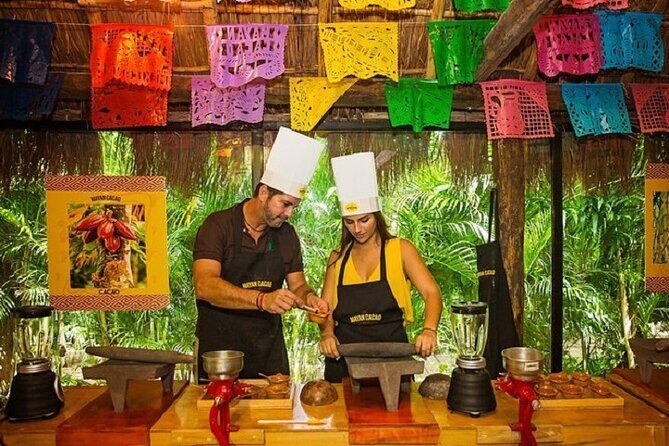
This is the “real” part of the workshop. You grind cacao and work through steps that turn raw cacao into something that starts to feel like chocolate. You’ll use a mortar and pestle, and you’ll likely notice that it’s not exactly passive. More than one person leaves laughing because their arms feel like they did something physical.
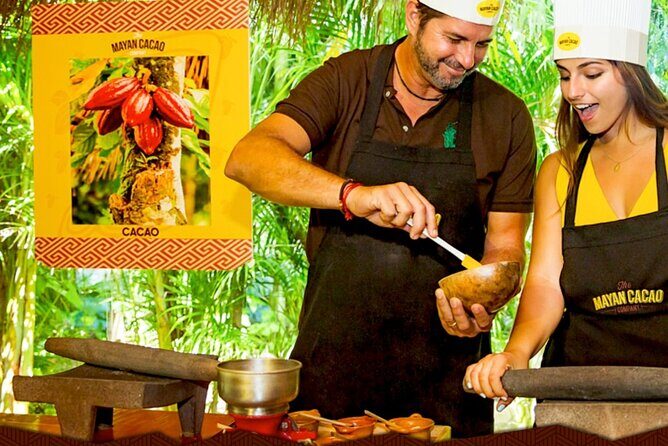
You then season and mix based on a Mayan-style approach. Ingredients can include things like honey for flavor. The idea isn’t just to make something sweet; it’s to understand how cacao becomes a blend. This is also where guides matter. A good guide explains what you’re doing and why, then keeps the pacing steady so you don’t feel lost.
One caution: if you have strong preferences—like not liking a certain flavor—speak up early and clearly. There was at least one unhappy moment where a guest couldn’t stop extra cinnamon from being added, and the chocolate ended up not matching their tastes. So if cinnamon is a no for you, say it at the start, not halfway through the mix.
And yes, you’ll likely enjoy the “chef hat” energy. The class leans playful. It’s not just science. It’s hands-on learning with a little showmanship.
Your Chocolate Bar (Plus Samples and Sometimes More Fun)
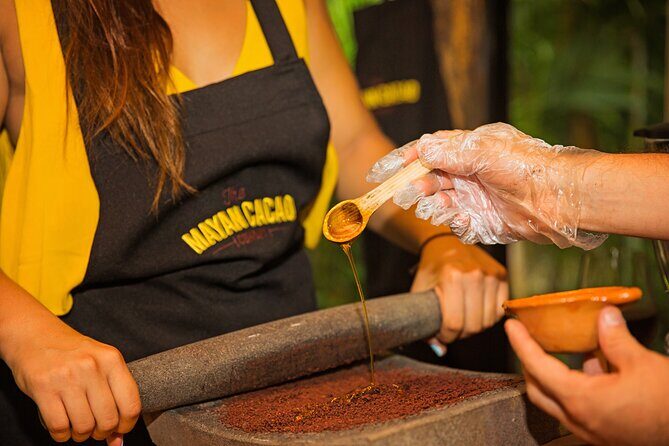
The best part is leaving with something you made. The workshop includes ingredients for chocolate making, and you’ll produce your own take-home creation—often described as a chocolate bar or a chocolate disk-style piece. Either way, it’s the kind of souvenir that actually gets used after you get home.
A big bonus is the sampling. You may taste several specialty chocolate varieties after you make your own. One guest talked about enjoying samples including cranberry, almond, and grape milk chocolate bars, and another mentioned trying a set of 16 different chocolate bars in the store area. If you’re a “try everything” person, this can turn the workshop into a mini chocolate shopping spree.
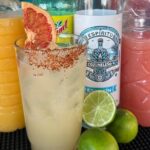
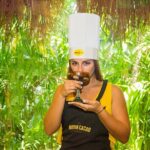
Some days also include a fun extra: a chocolate margarita component, where you learn how to make it and then enjoy it. Not every version will include that kind of add-on, but it’s a good sign that the team likes mixing chocolate with local drinks and flavors.
What you should know: pictures and souvenirs aren’t included. The chocolate might be the main souvenir here, but if you want photos or gift items, you’ll likely buy them separately.
What the $39 Price Really Covers (and What You Might Pay Elsewhere)
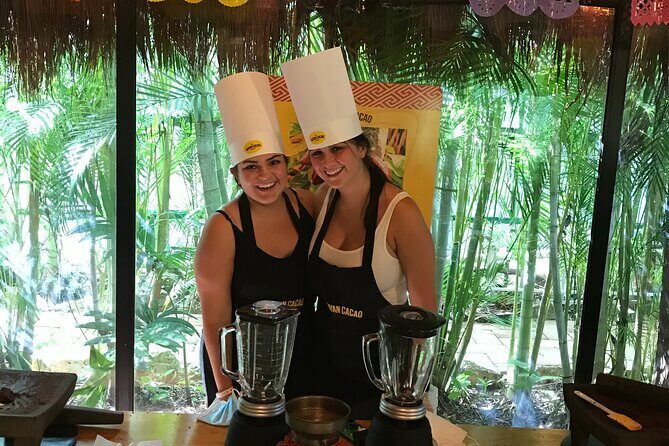
At $39 per person for about 1 hour 30 minutes, this class can feel like a strong value because it’s not only teaching—it’s also hands-on ingredient use. You’re paying for the ticket and the materials to build your own chocolate bar, and you leave with a product. That “make it, then take it” part is the value anchor.
Still, plan for small extras:
- You might want to pick up extra chocolate or gifts afterward.
- If you’re on a cruise or staying farther from the workshop, you’ll probably need a taxi for getting to and from the facility. One group advised keeping taxi costs reasonable (they suggested not paying more than about $20 per taxi ride), which is a good reality-check mindset. Always verify the fare before you go.
So the real question isn’t just whether $39 sounds fair. It’s whether you’re the type who likes learning something practical and then actually eating what you made. If yes, this price makes sense. If you just want a quick sugar hit with minimal effort, you might prefer a simpler tasting stop.
A few more Cozumel tours and experiences worth a look


Guides Make the Difference: English Support and Group-Friendly Pacing
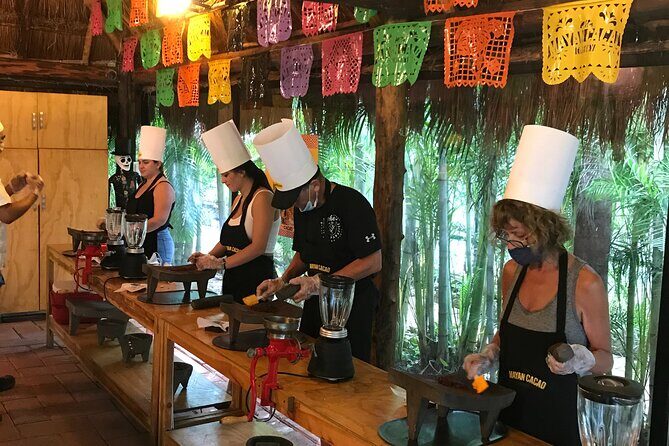
This workshop works well for groups because guides seem to be trained to keep everyone included. A highlight from a couple’s experience was Angel, who translated in both English and Spanish to make sure the whole room understood. That kind of clarity matters when you’re doing hands-on steps and don’t want to fall behind.
Families also do well here. People have described the activity as a hit for kids—one group brought 8- and 12-year-olds and said the kids had fun with the process. Another group mentioned a 12-year-old, twins, and their mom, and the class still felt enjoyable.
There’s also a practical note for anyone worried about moving around. One review said the setting was manageable for a wheelchair, with the wheelchair able to maneuver without difficulty. The tour notes say travelers should have moderate physical fitness, which likely reflects the grinding steps and standing/moving during the workshop. If your “moderate” means you get tired fast, you can still do it—but go in knowing you’ll do some manual work.
Heat is the main comfort factor to watch, not the physical steps alone. If your body runs hot, pack accordingly.
Timing Your Workshop With a Cruise Day or a Beach Plan
Because the class runs roughly 1.5 hours, you can slot it between beach time and dinner without losing your whole day. For cruise passengers, that timing matters. You don’t want an excursion that eats half the port window and leaves you stressed about getting back.
That said, plan for real-world travel time. If you’re relying on a taxi, build a buffer. Even if the workshop itself is smooth, getting to the pickup spot can take longer than you expect.
A simple strategy: aim to be ready to go early. You’re going to be grateful you did when you’re not rushing while trying to cool down in warm indoor spaces.
Who Should Book This Chocolate-Making Class
Book this if you fit any of these:
- You like food experiences that teach a real process, not just a quick tasting
- You want a fun family activity that’s hands-on (and keeps kids engaged)
- You’re traveling with a partner and want something that feels different from beach-and-photos
- You love chocolate enough to enjoy the tasting and shopping part afterward
It also suits a laid-back vacation style. One person called it a pleasant activity for a slower day—manage expectations and focus on the fun of learning. If you go in thinking it’s going to be a museum lecture, you’ll miss the point. If you go in ready to make and taste, you’ll probably enjoy it.
Should You Book the Chocolate Workshop in Cozumel?
I’d book this if your idea of a great day includes making something with your hands and taking an edible souvenir home. The price is reasonable for what you actually get: ingredients, instruction, and your own chocolate to bring along. The workshop also tends to work across ages, from adults to kids, because the pacing is guide-led and the process is interactive.
Pass if you want zero physical effort, or if you’re very sensitive to indoor heat. Also, if you have a very specific flavor restriction, mention it clearly at the start so your mixture matches what you’ll actually want to eat later.
FAQ
How long is the Chocolate Workshop in Cozumel?
It lasts about 1 hour 30 minutes (approx.).
Where does the workshop take place?
It takes place in Cozumel, Mexico at The Mayan Cacao Company.
What does the $39 price include?
The price includes the admission ticket and the ingredients for chocolate making.
Is the workshop offered in English?
Yes, it’s offered in English.
Do I get a mobile ticket?
Yes, it includes a mobile ticket.
Will I receive confirmation after booking?
Yes. You’ll receive confirmation at the time of booking.
Can I bring a service animal?
Yes, service animals are allowed.
What physical demands should I expect?
The tour notes say travelers should have a moderate physical fitness level, likely due to the hands-on steps during chocolate making.
Are pictures or souvenirs included?
No. Pictures and souvenirs aren’t included.
Can I cancel and get a refund?
Yes, there’s free cancellation. You can cancel up to 24 hours in advance for a full refund, based on local time.