REVIEW · COZUMEL
Cozumel underwater 2 Tank Dive by boat
Book on Viator →Operated by Aqua Divers Cozumel · Bookable on Viator
A day at sea around Cozumel’s reefs feels like a small secret. This two-tank scuba outing is built around two different kinds of reef scenery: the south side’s coral tunnels and walls for the first tank, then a shallower reef for the second tank where wildlife gets easier to spot. I especially like the tight structure of the day—multilevel planning plus a real surface interval—so you’re not rushed or guessing what comes next.
You’ll also get a very human side of the operation. People highlight Fernando’s careful setup and clear explanations, and the crew keeps things calm on the boat, which matters when you’re new or just nervous. One possible drawback: the day depends on good weather, and there’s limited space (up to 8 people), so popular dates can fill up.
In This Review
- Key highlights
- Two Tanks, Two Reefs: Palancar Tunnels and a Shallow-Water Wildlife Hunt
- Getting Ready on Shore and Boarding: Gear Try-On, Paperwork, and a Calm Crew
- Tank One Details: South-Side Reefs, Typical 60–80 ft Depth, and Multilevel Air Planning
- Surface Interval and Lunch: About an Hour to Reset and Recenter
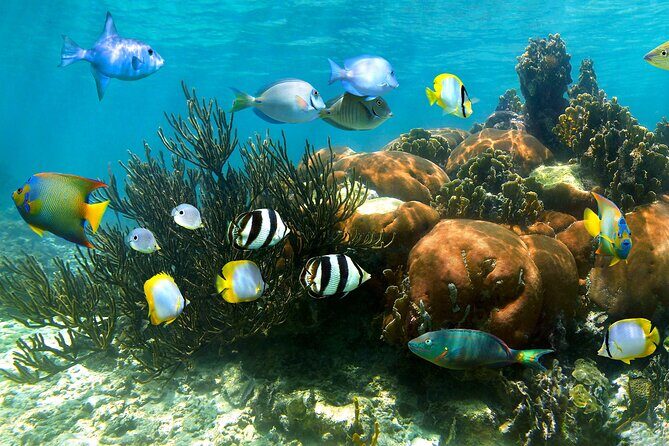
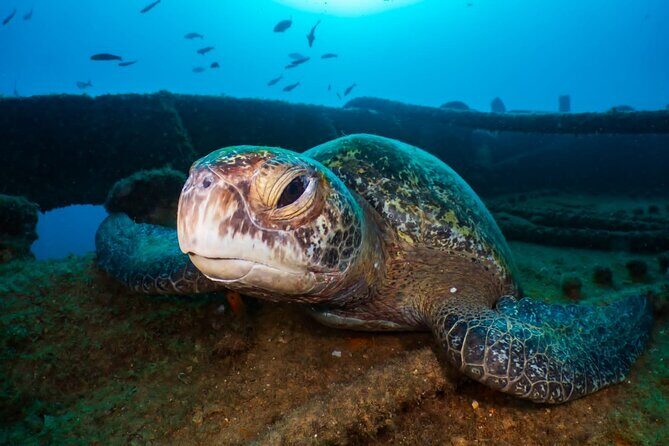
- Tank Two in Shallow Water: Bright Coral, Sea Turtles, Nurse Sharks, and More
- Marine Park Fees, Snacks, and What’s Included (and What to Confirm)
- Price and Logistics: What $142.72 Buys on a Small-Group Boat Day
- Who Should Book This (and Who Should Ask More Questions)
- Weather, Seas, and Simple Tips for a Better Day
- Should You Book Aqua Divers Cozumel’s Two-Tank Boat Day?
- FAQ
- Where does this tour start, and what time does it run?
- Is pickup included?
- How many underwater sessions are included, and how long is the trip?
- What reef areas and marine life should I expect to see?
- What is included in the price?
- What happens if the weather is bad or the minimum number of travelers isn’t met?
Key highlights
- Two reefs, two vibes: tunnel-y Palancar-area sights, then brighter shallow coral for more wildlife chances
- Clear in-water rhythm: first tank at typical 60–80 ft with a multilevel approach, then a shallower second tank
- A real break in the middle: about a 1-hour surface interval with a small lunch
- Family-friendly guidance: the crew is patient and explains protocols carefully, especially for newer students
- Small group size: a maximum of 8 people keeps the pace manageable
Two Tanks, Two Reefs: Palancar Tunnels and a Shallow-Water Wildlife Hunt
This is one of those Cozumel plans that makes sense on paper and then holds up in real life: you get two separate underwater experiences without spending your entire day transferring logistics. The first part is aimed at the classic south-side scenery. The second part shifts lighter and shallower, which usually means easier viewing and more time to take in what’s around you.
For the first tank, the route is usually in the Palancar reef area (south side) or one of the island’s famous coral-wall spots. Expect structures and swim-throughs—there’s a specific mention of going through amazing coral tunnels, which is the kind of visual payoff that’s hard to get on a “flat” reef. Average depth is listed around 60–80 ft (18–24 m), and the plan uses a multilevel approach to help you extend your air.
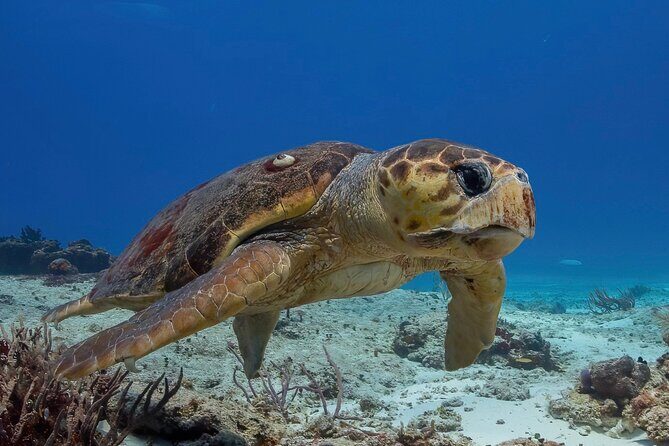
Then comes the change of pace. After a surface interval of about 1 hour (with a small lunch), the second tank is in a shallower reef for roughly an hour underwater. This is where you tend to get the more colorful coral look and the larger cast of animals you came for. The itinerary lists sea turtles, nurse sharks, moray eels, stingrays, and the splendid toadfish, plus a long list of tropical reef fish.
A quick note on value: the trip isn’t just “two tanks and done.” It’s two intentional depths and two different styles of reef. That’s a big deal when you’re trying to see both the dramatic structures and the wildlife action in one outing.
Other Cozumel tours we've reviewed in Cozumel


Getting Ready on Shore and Boarding: Gear Try-On, Paperwork, and a Calm Crew
The day starts with a practical flow. When you arrive, you’re given the scuba gear to try it on, and you’ll have choices for wetsuits. They mention shorty and full wetsuit options, which is useful because water temperature can feel different depending on wind and cloud cover that day. You’ll also see a fin setup choice—full pocket fins and open heel fins are both part of the process.
After the gear fitting, you’ll fill out paperwork and then head to the boat. This might sound routine, but it’s exactly where good operations show themselves. If you’ve ever been on trips where you’re rushed right before you enter the water, you know the difference. Here, the structure is designed to get you settled first, then briefed, then in the water.
One detail I like from the experience write-ups: Fernando and the crew are described as responsive and clear in their explanations. If you’re new, or you just want to feel in control, that matters more than fancy promises. People specifically mention that the protocol is explained thoroughly and that they feel safe both underwater and on the boat.
Group size is capped at 8, which usually means the briefing stays human-sized. You’re less likely to get lost in a crowd, and you’re more likely to get answers to your questions before you go.
Tank One Details: South-Side Reefs, Typical 60–80 ft Depth, and Multilevel Air Planning
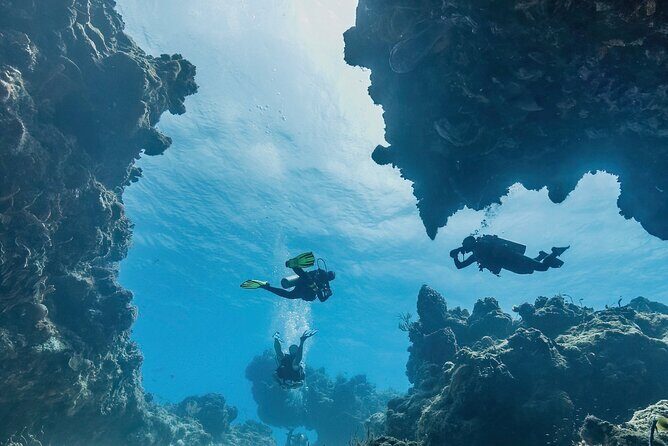
Tank one is the “scenery” tank. The program typically runs toward the south part of Cozumel and the Palancar reef area or coral-wall locations. The highlight described for this section is the coral-tunnel experience—swim-throughs that can feel like moving through a living architecture.
The listed average depth for tank one is 60–80 ft (18–24 m). That depth range often produces a nice mix: you’re deep enough for the reef structures to feel dramatic, but not so deep that it becomes a long technical exercise. The trip also uses a multilevel approach. In plain terms, that means the plan is designed with how your air will behave at depth in mind, so you’re more likely to get a comfortable, well-paced bottom time rather than a simple “go down and come up” pattern.
What you should watch for as you follow the plan:
- The first tank is likely to be more structured around the reef shapes and tunnel areas, so keep buoyancy steady and stay aware of your surroundings.
- If you’re newer to scuba, this is exactly where clear coaching helps. The experience notes emphasize patient, detailed guidance for first-timers and families with kids.
In my view, tank one is also where you should lean into the role of “observer.” Even with good visibility, reefs move fast. The best moments here are often the small turns: a corridor of coral, a change in light through the structure, or a fish behaving like it’s at home inside the reef’s walls.
Surface Interval and Lunch: About an Hour to Reset and Recenter
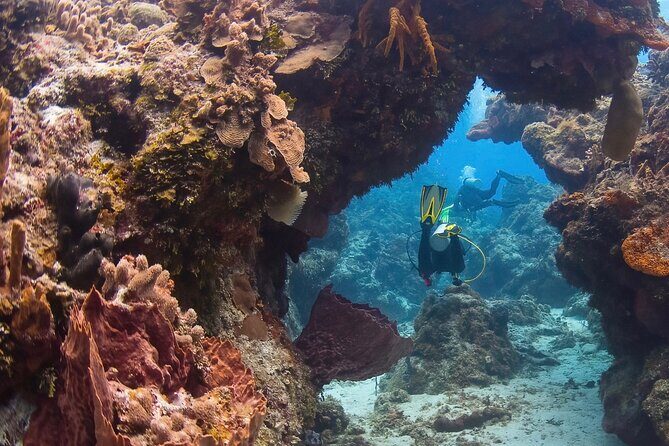
Between tanks, you’ll have a surface interval of about 1 hour. During that time, they provide a small lunch. This break is more important than it sounds. When you’re doing two underwater sessions in one day, the surface interval gives your body time to reset and gives you a chance to think about the second tank without rushing.
It also reduces the “end-of-day scramble” that sometimes happens on longer outings. You’re not trying to eat, ask questions, and mentally prepare all at once. You get that break as part of the design.
If you’re sensitive to motion sickness, this is a great moment to get settled. Sit where the boat feels most stable for you, sip water, and take a breath of calm. The trip’s pacing is built around the two-tank flow, so use the break to stay in your comfort zone.
Tank Two in Shallow Water: Bright Coral, Sea Turtles, Nurse Sharks, and More
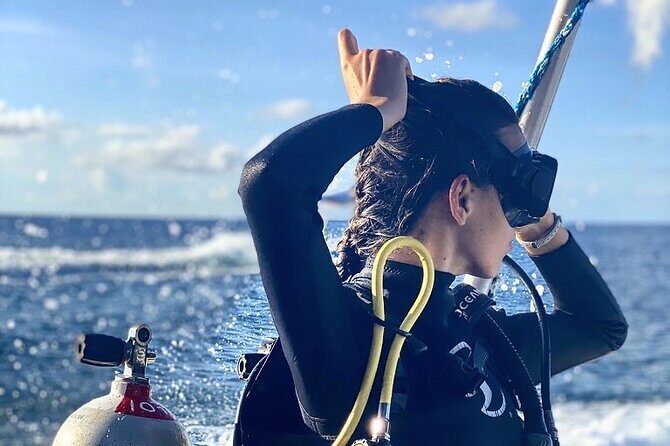
Tank two shifts shallower and lighter, and that’s where the visibility and color cues usually become easier to appreciate. This second reef is where the itinerary expects to show you a bigger slice of marine life.
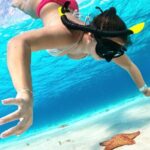
They call out sea turtles, nurse sharks, moray eels, stingrays, and the splendid toadfish. You’ll also see plenty of other tropical reef fish. If you’re the kind of person who wants at least a couple of “wow” animals rather than only reef structure, tank two is the likely payoff.
One reason shallow trips can feel more satisfying is that you spend more time with a relaxed focus. You’re not dealing with the same depth pressure, and your attention can shift from “stay on the profile” to “look at what’s around you.” The second tank here is listed at about 1 hour underwater, which is long enough to actually get comfortable with what you’re seeing.
If you’re traveling with someone new to scuba, this is often the easier tank psychologically, too. Not because it’s automatically simpler, but because the viewing experience can feel more immediate and less abstract.
Other boat tours in Cozumel
Marine Park Fees, Snacks, and What’s Included (and What to Confirm)
Here’s the practical value picture. The price includes tanks, weights, marine park fees, and taxes. You also get snacks, plus water, fruit, and that small lunch during the surface interval.
Now for the one point you should clarify before you go: the listing says use of scuba equipment isn’t included. At the same time, the day-of experience description talks about being given scuba gear to try on, including wetsuits and fins. That’s not automatically a contradiction, but it is worth confirming what you’ll pay for (if anything) and what’s provided as part of your booking.
What I’d do in your shoes:
- Confirm whether wetsuit, fins, regulator setup, and other gear are included in your specific ticket.
- If they’re included, great. If not, figure out the cost so you’re not surprised at the dock.
The good news is that the experience is described as highly professional about gear and setup. One key review calls out the quality of equipment and staff professionalism, and another highlights how instructions are detailed and patient. Still, it’s always smart to confirm the equipment category, even with a strong operator.
Price and Logistics: What $142.72 Buys on a Small-Group Boat Day
At $142.72 per person for about 5 hours total, you’re paying for more than “time in the water.” You’re also paying for the boat ride, the reef access fees, and the guided structure that keeps two tanks working smoothly.
The duration is listed as about 5 hours. Travel time to the reef is usually 30 to 45 minutes. That’s normal in Cozumel terms and it helps explain the timing: you’re not spending the whole day just sitting on the deck, but you also get that sea transit window where the crew can prep and your group can get settled.
Group size is capped at 8 travelers. That can affect your experience a lot:
- You’re more likely to get individual attention in the water.
- Your briefing can stay clear without turning into a rushed lecture.
- The boat environment feels less crowded, so less energy goes into “where do I stand?”
Pickup is offered, but transportation from north hotels area is listed as not included. You’ll also see a note to wait for the boat at the hotel’s main pier. In plain terms, this means pickup may work depending on where you’re staying. If you’re in the north hotel zone, treat that “not included” line seriously and ask what the closest pickup option is for your location.
Meeting point is Caleta Harbor (77688, Quintana Roo, Mexico). The start time is 9:00 am, and you return back to the meeting point when the activity ends.
Who Should Book This (and Who Should Ask More Questions)
This outing fits best if you want a classic Cozumel mix: coral structures first, then wildlife-forward shallow water. It also fits families and nervous beginners better than many “rushed” formats because the team is described as patient and careful with instructions.
It’s listed for people with moderate physical fitness. That doesn’t mean “athlete level.” It usually just means you should be comfortable with the day’s movement: boarding, getting kitted up, stepping in and out smoothly, and keeping up a steady pace over the boat day.
If you’re certified, you’ll follow the two-tank plan and benefit from the multilevel structure. If you’re not certified, the experience notes suggest it can be worth taking instruction in Cozumel, and that the team is good at preparing newer students. Still, since training options aren’t stated in the tour details, you should ask directly about what certification level is required for this specific outing.
Weather, Seas, and Simple Tips for a Better Day
Scuba plans live and die by conditions. This experience specifically requires good weather, and it says that if it’s canceled due to poor weather, you’ll be offered a different date or a full refund.
So the practical move is to:
- Pick dates with a bit of flexibility if you can.
- Wear sun protection even before you splash in. Boats and shallow reef areas often mean strong exposure.
- Use the surface interval to rehydrate and cool down.
Because travel time is 30 to 45 minutes, the boat ride matters. If you get motion sickness, bring what works for you and use it early rather than waiting until you feel it.
Should You Book Aqua Divers Cozumel’s Two-Tank Boat Day?
If you want a well-paced Cozumel outing that doesn’t just toss you in the water, I’d say this is worth booking. The two-reef structure makes sense: you get the Palancar-area style sights with coral tunnels first, then you move to shallower water where bright coral and marine life like sea turtles, nurse sharks, stingrays, and moray eels are part of the plan. The small group size and the clear, patient coaching described in the experiences make it especially attractive for anyone who wants to feel safe and guided.
I’d only pause if you’re staying where pickup isn’t reliable for your area, or if you want clarity on the gear portion since equipment use is listed as not included even though you’ll be fitted for wetsuits and fins. Send a quick message before you go. A good operator will answer fast—and in these experiences, response time is specifically praised.
FAQ
Where does this tour start, and what time does it run?
It starts at Caleta Harbor, 77688 Quintana Roo, Mexico, with the activity starting at 9:00 am. It ends back at the meeting point.
Is pickup included?
Pickup is offered, but transportation from the north hotels area is not included. The note says you should wait for the boat at your hotel’s main pier, depending on where you’re staying.
How many underwater sessions are included, and how long is the trip?
This is a two-tank plan. The total duration is about 5 hours, with a listed 1-hour surface interval between tanks and each underwater session described as roughly 1 hour for the second tank (and 4–5 hours on the boat overall).
What reef areas and marine life should I expect to see?
The first tank is usually in the south part of the island in the Palancar reef area or a coral-wall location, with coral tunnels mentioned. The second tank is in a shallower reef, where you may see sea turtles, nurse sharks, eel morays, stingrays, and splendid toadfish, plus tropical reef fish.
What is included in the price?
The price includes tanks, weights, marine park fees, taxes, and snacks (water, fruit). Lunch is provided during the surface interval. Scuba equipment use is listed as not included, so it’s worth confirming what’s provided for your booking.
What happens if the weather is bad or the minimum number of travelers isn’t met?
The experience requires good weather. If it’s canceled due to poor weather, you’ll be offered a different date or a full refund. If it’s canceled because a minimum isn’t met, you’ll also be offered a different date/experience or a full refund.
If you tell me your hotel area (north side vs. elsewhere) and your scuba certification level, I can help you sanity-check whether the pickup and gear details are likely to work smoothly for you.