REVIEW · PLAYA DEL CARMEN
Private Cenote & Cave – Playa del Carmen, Mayan Culture & Fossils
Book on Viator →Operated by Tao Travel 365 · Bookable on Viator
This cave feels like time travel. I like that this experience combines Mayan culture, geology, and real fossils inside crystal-clear cenote caverns—plus a guide who explains how the system formed over millions of years. You’re not just walking around pretty water; you’re moving through a living geological record, with chances to see fossilized marine life and even Mayan finds.
I also love that the tour is built for comfort and confidence: helmets with lamps, optional life jackets, round-trip transfers from Playa del Carmen, and included snacks and bottled water make the day feel low-stress.
One consideration: even though it’s marketed as private, the shared van ride can still mix you with other people, and punctuality matters because the van departs on schedule.
In This Review
- Key things to know before you go
- Cenote Chaak Tun: Fossils, Caves, and Mayan Echoes
- Getting From Playa del Carmen: Shared Van, Round-Trip Transfers
- Your Guide and Safety Gear: Bilingual, Conservation-Minded, Prepared
- Cenote Chaak Tun: What the Walk-and-Swim Route Really Looks Like
- Water Temperature, Footing, and the Pace (Ages Matter Here)
- Do You Need a Wetsuit? Reef Shoes and Optional Add-Ons
- What’s Included vs. What You’ll Pay Later
- Electronics Rules: Bring a Waterproof Plan or Leave It Behind
- Remote Feeling Without a Long Hassle
- Who This Cenote & Cave Tour Fits Best
- Should You Book This Tour?
- FAQ
- How long is the private cenote & cave experience?
- What’s the price per person?
- What does the tour include?
- Where do we meet in Playa del Carmen?
- Do they pick up from hotels?
- Is a wetsuit required?
- What safety gear will I get?
- Are electronics allowed inside the cave?
- What if I book late or weather is bad?
Key things to know before you go
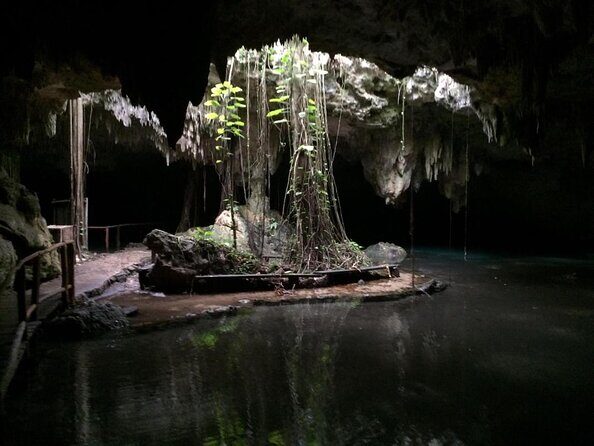
- Cenote Chaak Tun is the focus, with fossils and cave formations that can feel surprisingly quiet and remote
- A bilingual guide (often Bohish) leads the route with safety and conservation-minded context
- You get helmet + lamp, and life jackets are provided (not required)
- The pace includes walking, climbing, and swimming through sections of cave water
- Bug spray helps for outside wait time, even though bats reduce mosquitoes inside
- You’ll have options to pay for photos after the experience
Cenote Chaak Tun: Fossils, Caves, and Mayan Echoes
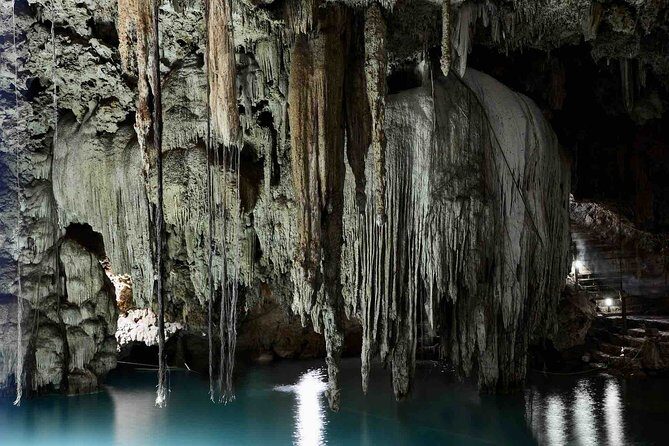
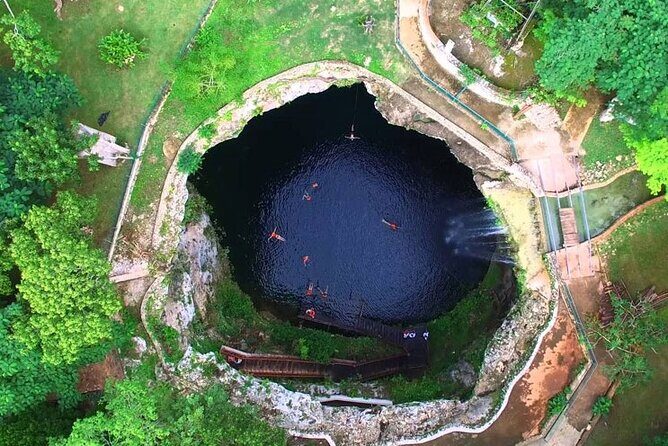
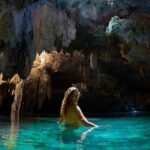
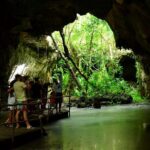
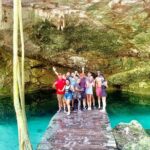
If you want a cenote that feels more like a science stop than a photo stop, Cenote Chaak Tun hits hard. The water and chambers here are part of a system shaped by ancient sea life, later sealed in rock. In practice, that means you’re swimming and moving through areas where you can spot fossilized corals and marine animals—sometimes even prehistoric creatures people connect to sharks, whales, and other mammals from long ago.
The Mayan angle adds a second layer that’s easy to miss at other cenotes. Your guide brings the artifacts and stories into focus, explaining what people used them for and how rituals tied into the landscape. You’re not handed a lecture; you’re getting a guided read of what you see in the cave and why it mattered.
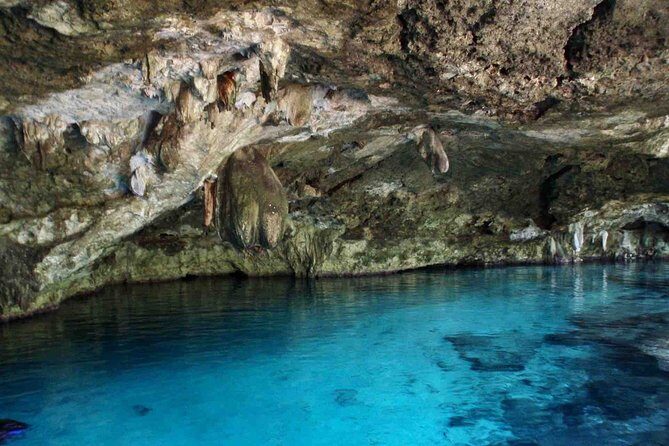
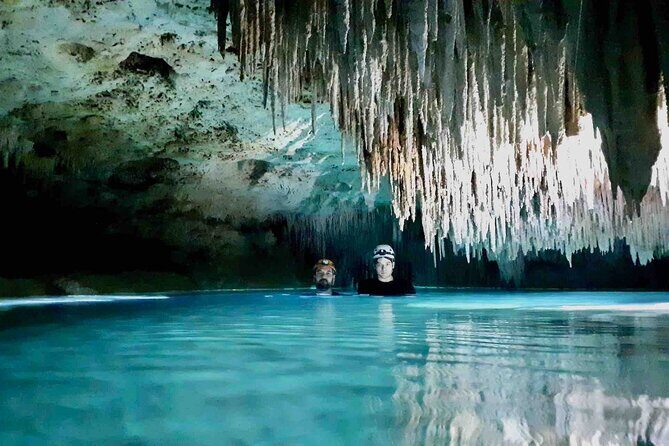
And there’s a real calm quality here. One reason people get emotional about this cenote is the combination of clear water, dramatic formations like stalagmites and stalactites, and the feeling that you’re away from the loud version of Mexico tourism. It’s especially meaningful when your group stays small.
Other cenote tours we've reviewed in Playa del Carmen

Getting From Playa del Carmen: Shared Van, Round-Trip Transfers
The start point is in the center of Playa del Carmen at El Sangha-Rito (next to Starbucks). You meet at 8:00am, and the activity returns you back to that same meeting point.
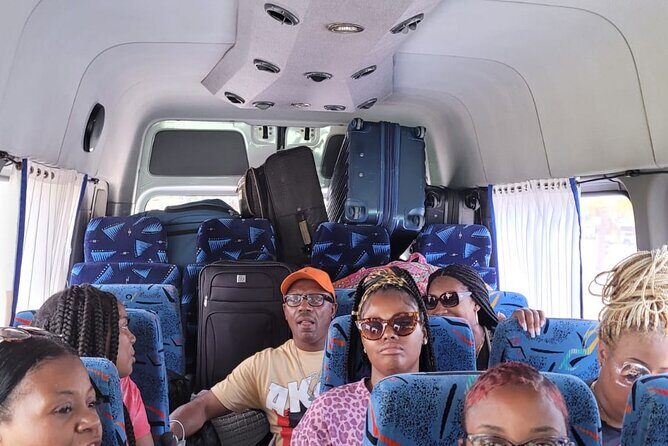
Transport is in a shared van, and that’s worth planning around. Even when a tour is described as private, the van itself can include other riders. So if you’re the kind of person who hates waiting or sharing a ride, you’ll want to treat this as a small-group activity more than a fully exclusive chauffeur-style day.
On the plus side, round-trip transfers are included when you’re in Playa del Carmen. If your hotel is within the area, pickup may be possible, but you’ll need to share your hotel name and room number. The easiest way to keep things smooth is to follow their request to provide your WhatsApp number up front, so you can confirm timing if anything changes.
One practical note: the drive can be bumpy once you turn off the main road into the jungle route. You’re not dealing with a comfortless ride for hours, but you should expect jolts and plan to sit steady. Bring patience, not perfection.
Your Guide and Safety Gear: Bilingual, Conservation-Minded, Prepared
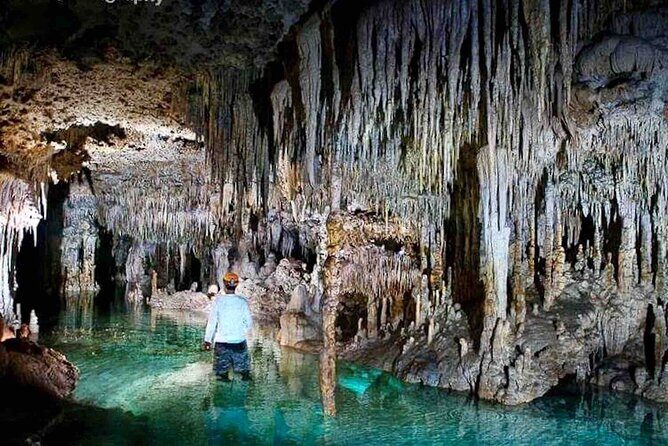
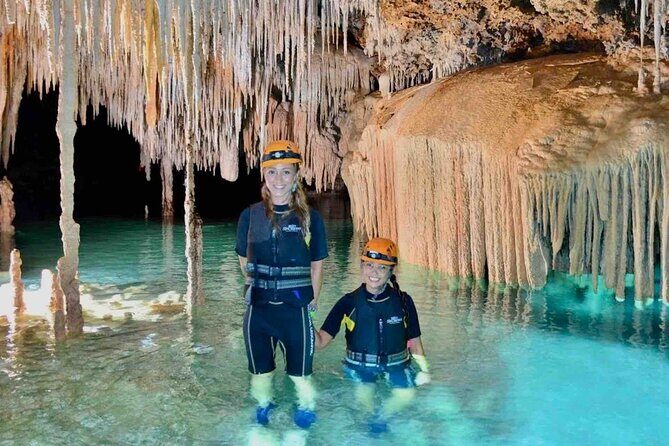
Safety gear here is not an afterthought. You’ll get a helmet with a lamp, and you may also be given a life jacket (listed as not obligatory). That helmet detail matters. With cave lamps you can actually move with confidence instead of guessing your footing in dark corners.
You’ll also be with a bilingual guide. Bohish is one of the names you’ll see associated with this experience, described as a respected cenote explorer and wildlife conservationist. In plain terms, that usually translates to two things: (1) the guide knows the cave route and how to keep people safe, and (2) the stories come with care for the environment rather than pure showmanship.
The group size is capped at 8 travelers, which helps keep the experience personal. You’re not fighting a crowd in tight passages, and you can actually hear the explanations over the sound of water and the helmet lamp buzz.
Cenote Chaak Tun: What the Walk-and-Swim Route Really Looks Like
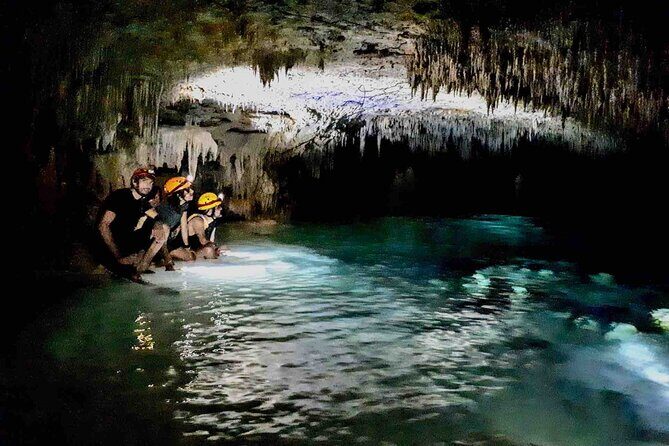
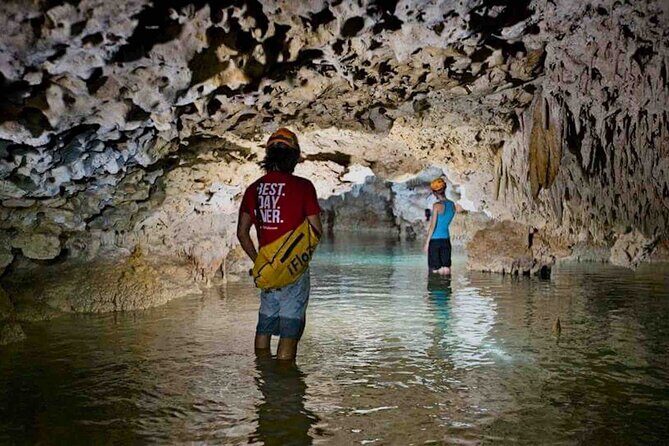
This tour’s itinerary centers on one main stop: Cenote Chaak Tun, with time in and around the caves. The vibe is part hike, part scramble, part swim. You’ll move through areas where you’re on your feet through cave sections, then into water zones where you’re swimming or stepping along shallow-ish routes.
Expect formations and fossil clues as you go. In one telling, the cenote was described as filled with stalagmites and stalactites along with fossil material that looked different from typical cenote rocks. The water can be crystal-clear, so fossils and textures may show up well once your eyes adjust to the dim cave light.
Wildlife also shows up in small ways. You might see fish like catfish in the water, plus bats and birds flying in and out. Bats matter in one very practical way: they eat mosquitoes, so people report fewer bugs inside the cave. Still, bug control is smart for outside waits before and after you get in the water.
There’s also the possibility of Mayan artifacts. The guide’s role is key here. Without a guide, it’s easy to just see stone and wonder. With the guide, those objects turn into context—what they were for and how they connect to the people who lived in this region long before the cave became a destination.
Water Temperature, Footing, and the Pace (Ages Matter Here)
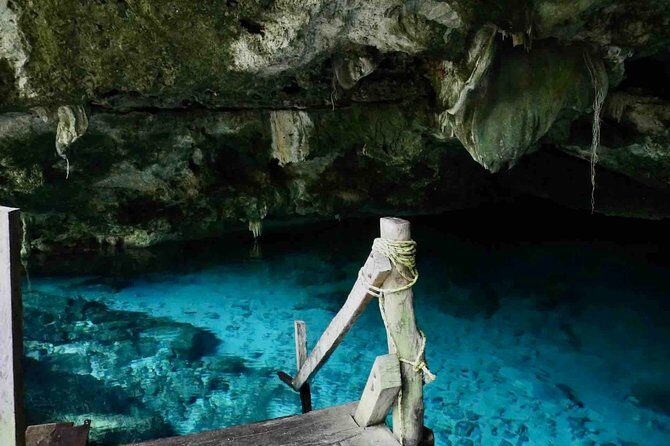
The cenote experience isn’t a lazy float. You’ll be walking, climbing, and switching between water and land sections. One family described doing it comfortably across a wide age range (kids through older adults), which suggests that the physical requirement can fit many people. The common thread was comfort with moving through uneven cave areas and getting in the water.
Inside the cave, it can feel cool. Since you’re repeatedly moving between air and water, your body temperature changes during the route. That’s where wetsuit decisions come in.
If you’re unsure, think in terms of personal comfort rather than age. If you can handle damp, cool conditions and you don’t mind the idea of water up to chest level in some sections, you’ll probably be fine. If you hate getting wet or feel uneasy about slippery footing, you may find the route stressful.
Other Playa del Carmen tours we've reviewed in Playa del Carmen



Do You Need a Wetsuit? Reef Shoes and Optional Add-Ons
Wetsuits are not included by default. A wetsuit can be rented on-site, and the listing gives a price of $10. In a real-world setting, at least one guest referenced a wetsuit as an optional add-on with a fee quoted in pesos, which lines up with the general idea that you pay extra if you want more warmth.
Life jackets are provided, but they’re marked as not obligatory. That gives you some control, especially if you’re confident in the water. Still, don’t treat gear as optional in practice. If the guide suggests it for your comfort or for the safest route, take the help.
One more practical tip: avoid overpacking for the cave. You’ll have your helmet lamp and life jacket, and you can focus on footing and balance instead of juggling extra items.
What’s Included vs. What You’ll Pay Later
The value here is in what they cover before you even get wet. Included items are:
- All fees and taxes
- Bilingual guide
- Helmet with lamp
- Snacks plus bottled water (and fruit)
- Round-trip transfers from Playa del Carmen
In other words, you’re not staring at surprise costs the moment you arrive. For $146.99 per person, the inclusion of gear plus transport is a big part of the price logic—this isn’t just a ticket and a map.
Now the part that can vary: snacks. Some people felt the snack set could be better, while others compared it more favorably to other food on tours. The safest expectation is modest, not gourmet. If you’re the type who needs a proper meal afterward, I’d plan for lunch back in town.
There are also pay-later extras tied to the cave experience. Photos are one of them: the guide takes pictures, and you can review them afterward and decide whether to buy. One reported price was 800 pesos. Payment may be possible by credit card or cash for things like photo and wetsuit add-ons, so it helps to carry a bit of both.
Bring cash too if you want to tip. People specifically advise having money on hand for tipping the guide.
Electronics Rules: Bring a Waterproof Plan or Leave It Behind
Caves have strict rules, and this one is clear. You can’t bring normal electronics into the cave unless you have a waterproof GoPro-style setup that can be attached to your body.
That means if you’re hoping for handheld phone footage, plan differently. Consider bringing a waterproof camera option that’s meant for water. If you don’t have one, you’ll still get plenty of moments to remember with your own eyes—especially with helmet lamps lighting your path.
Remote Feeling Without a Long Hassle
A big part of the appeal is the “remote but reachable” effect. One person highlighted loving the more remote location, and another described the route into the jungle as bumpy but worth it. That sums up the tradeoff: you’ll put up with some road discomfort, then you’re rewarded with a calmer cave setting.
The tour lasts about 2 to 3 hours (with listings sometimes pointing to around three hours total). That’s a practical length for planning. It leaves you time for a beach day later, a relaxed dinner, or a second activity without losing your whole day.
Who This Cenote & Cave Tour Fits Best
This is a strong match if you want a cenote experience that blends geology, cave movement, and Mayan interpretation. You’ll probably enjoy it if you like:
- small-group guiding (max 8)
- feeling safe in a cave setting with helmets and water support
- seeing fossils and cave formations, not just taking pictures
- learning from a guide who connects conservation with what you’re seeing
It may be less ideal if you’re planning your day around minimal physical effort. There’s hiking and climbing involved, plus repeated water entry and exit. Also, if the idea of sharing a ride in a shared van annoys you, take that into account.
Should You Book This Tour?
I’d book this if your top priority is a thoughtful Cenote Chaak Tun experience with safety gear, transfer support, and a guide-led mix of fossils and Mayan stories. The inclusion list makes it good value, and the small group size keeps it from feeling crowded.
I’d think twice if you want a totally private, no-sharing experience from start to finish, or if you dislike cave conditions like cool water and the mental challenge of moving through cave passages. If you’re comfortable with that, you’ll likely leave feeling like you saw something you can’t replicate with a quick swim at a public cenote.
If you do book, pack smart for the conditions: bug spray for outside wait time, cash for tips and photos, and a waterproof plan if you care about video.
FAQ
How long is the private cenote & cave experience?
The experience runs about 2 to 3 hours.
What’s the price per person?
The price is $146.99 per person.
What does the tour include?
It includes a bilingual guide, helmet with lamp, snacks, bottled water, and fruit, plus round-trip transfers from Playa del Carmen. You also get a life jacket provided (listed as not obligatory), and all fees and taxes are included.
Where do we meet in Playa del Carmen?
Meet at El Sangha-Rito, Av. CTM 5, Zazil-ha, 77720 Playa del Carmen, next to Starbucks. The listed meeting time is 8:00am.
Do they pick up from hotels?
If your hotel is within Playa del Carmen, pickup may be possible. You should contact them with your hotel name and room number, and share your WhatsApp number.
Is a wetsuit required?
A wetsuit is not included. You can rent one at the location for $10. A wetsuit can be a good idea because the cave can feel cool and you’re repeatedly in and out of the water.
What safety gear will I get?
You’ll receive a helmet with lamp. A life jacket is provided, though it’s marked as not obligatory.
Are electronics allowed inside the cave?
Normal electronics aren’t allowed in the cave unless you have a waterproof GoPro setup that can be attached to you.
What if I book late or weather is bad?
If you book less than 24 hours before, you must communicate right away to confirm the meeting point and time, and your tour isn’t confirmed without a verbal confirmation. If it’s less than 12 hours, the tour may be automatically rescheduled if verbal confirmation isn’t received. The experience requires good weather, and if it’s canceled due to poor weather you’ll be offered a different date or a full refund.