REVIEW · TULUM
Tulum: Dos Ojos Cenote 2 Scuba Dives with Transfer Option
Book on GetYourGuide →Operated by Diving Cenotes Tulum · Bookable on GetYourGuide
Cenote diving feels like time travel. What makes this outing special is the Dos Ojos system itself: huge caverns with sunbeams in the shallows, then darker passages for the bat cave dive. I like that you’re not just dropped in the water; you dive with an experienced guide named Paolo who’s spent years doing cenote work and keeps the whole plan clear. I also like the small-group setup (limited to 4), which means you can actually get questions answered. One drawback to weigh: you’ll pay extra on site for cenote entry and any gear you rent, and the cave setting may not feel right for claustrophobia.
The format is also easy to fit into a Tulum day: you get a safety briefing, two guided dives, and then a short break before the later part of the program. Choose a starting point at Dos Ojos park or Starbucks Tulum DT, and if you book the transfer option, you’ll likely get door-to-spot help instead of figuring out timing on your own. My only other caution is that this is for certified divers only, so plan your schedule around your certification level and comfort in confined-water conditions.
In This Review
- Key highlights that matter
- Dos Ojos cenote: why this trip is a serious pick
- Transfers and meeting points: get there without stress
- What’s included versus what costs extra on site
- The 4-hour flow: safety first, then two dives
- Dive one: shallow light and clear-water formations
- Dive two: bat cave passages and that darker feel
- Paolo’s guiding style: calm plans, clear communication
- Small group of 4: why it changes your whole day
- Gear rental on site: convenient, but price it before you need it
- Who this tour fits (and who should skip it)
- Price and value: is $116 a good deal?
- Bonus stop: spirits time and an arts & crafts market
- Should you book this Dos Ojos two-dive tour?
- FAQ
- What do I need to bring for this scuba tour?
- How long is the experience?
- How many dives are included?
- Do I pay cenote entry and equipment rental separately?
- What gear is provided, and what can I rent?
- Where do I meet, and do I have to use a transfer?
- Are there age or health limits?
- What’s not allowed during the tour?
Key highlights that matter
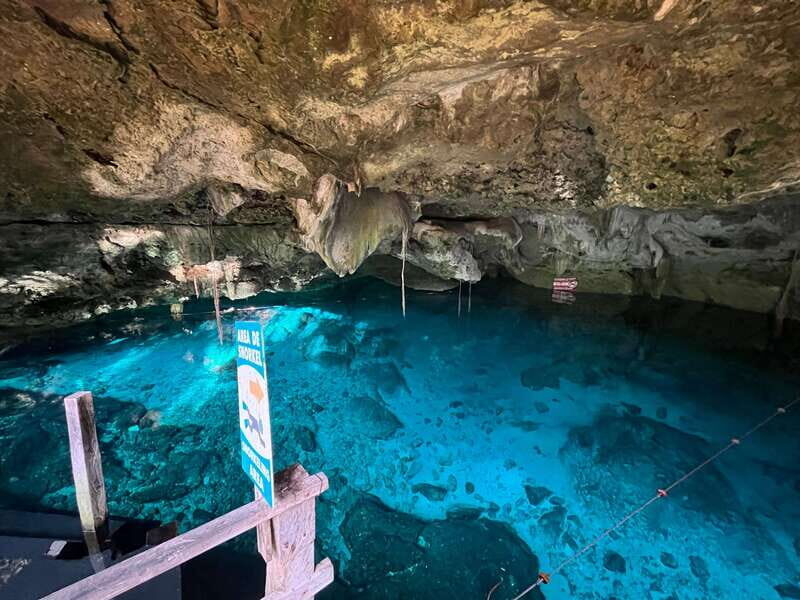
- Dos Ojos size and variety: bright shallow areas plus darker rooms and passages in the bat cave
- Paolo’s cenote experience: calm, clear communication and a very safety-first briefing
- Small group of 4: less waiting, more attention, and a smoother pace
- Two dives in one trip: one lighter profile and one darker cave-style dive
- Gear is rentable on site: tanks and weights are included, most other gear can be added for a fee
Dos Ojos cenote: why this trip is a serious pick
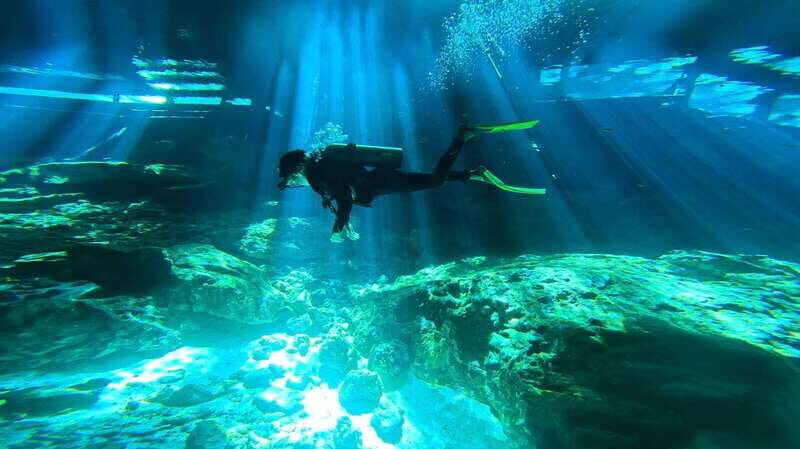
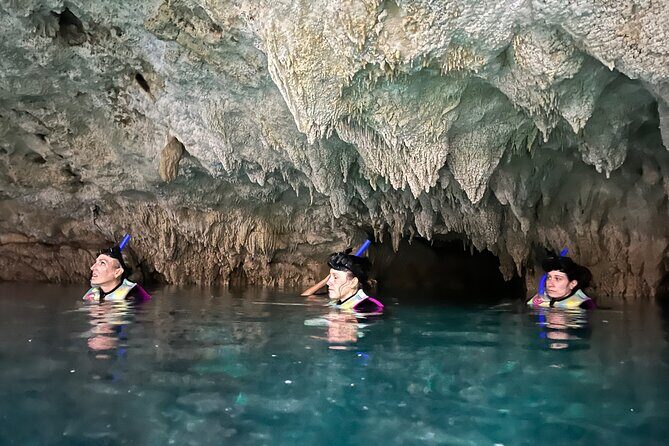
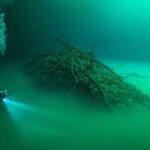
If you’re going to spend your limited Tulum time on scuba in a cenote, Dos Ojos is a name worth taking seriously. This area has plenty of water-to-explore, but Dos Ojos is known for being among the biggest and most impressive in the region. The difference shows up fast once you’re underwater: the caverns feel open enough to take in the forms of the rock, but the space is still “cavern” water, not a simple open pool.
What I like about this tour is that it matches the cenote’s moods with two different dives. You’re not just doing the same route twice. One dive includes the kind of clear-water moments where you can see light shine through and appreciate the shapes. The second dive shifts to the bat cave section, where light drops off and you pass through rooms and passages with only a small amount of illumination.
That contrast is part of the value. A lot of cenote trips are great, but they blur together if they don’t offer real variety. Here, the structure does.
Other Tulum ruins tours we've reviewed in Tulum

Transfers and meeting points: get there without stress
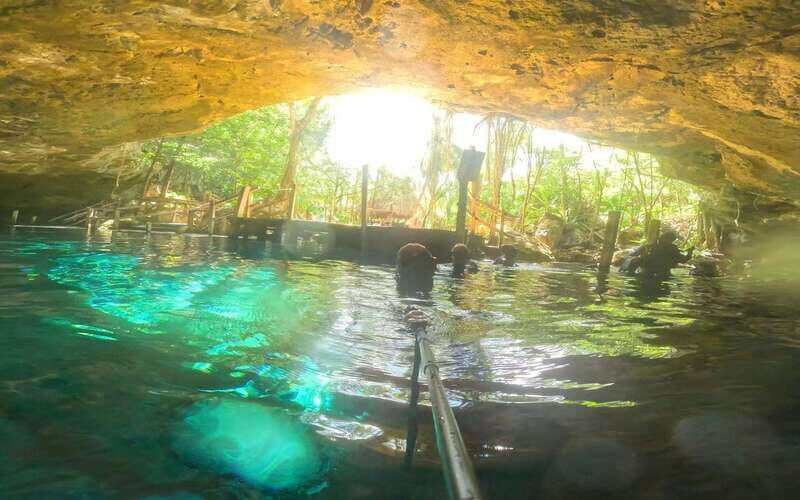
This tour gives you two practical start options, which matters in Tulum when timing can get messy.
You can meet at:
- Dos Ojos park
- Starbucks Tulum DT
If you choose the transfer option, the meeting points and drop-offs are designed to be convenient. If you skip transfers, you’ll still meet at one of the spots above, and you’ll handle transport yourself.
One more detail that helps: there’s a parking area right next to the cenote, which is useful if you’re renting a car or joining with someone who is. In Tulum traffic, “nearby” can be the difference between a relaxed morning and a rushed one.
What’s included versus what costs extra on site
This is where you should do a quick math check before you go, because the advertised total can feel different once you’re paying locally.
Included:
- Two fully-guided dive tours
- Dive tanks and weights
- Drinking water
- Access to the parking area next to the cenote
- (If selected) transfer from a meeting point in Tulum
Not included (you pay on site):
- Dos Ojos cenote entry (about 400 MXN)
- Equipment rental, if you don’t bring your own
Equipment rental costs are itemized. Examples you might see listed include mask, fins, light, BCD, regulator, and different wetsuit options with different prices. If you only need a couple items, you may spend less than if you need the whole kit.
My practical tip: if you’re traveling light, renting can be worth it because the on-site process is convenient. But if you already own most gear, bring it. You’ll usually feel better knowing your fit is the same as what you dive with elsewhere.
Also note: don’t plan to use sunscreen. The activity lists sunscreen as not allowed, which means you’ll want sun protection that doesn’t involve sunscreen (think clothing and shade).
The 4-hour flow: safety first, then two dives
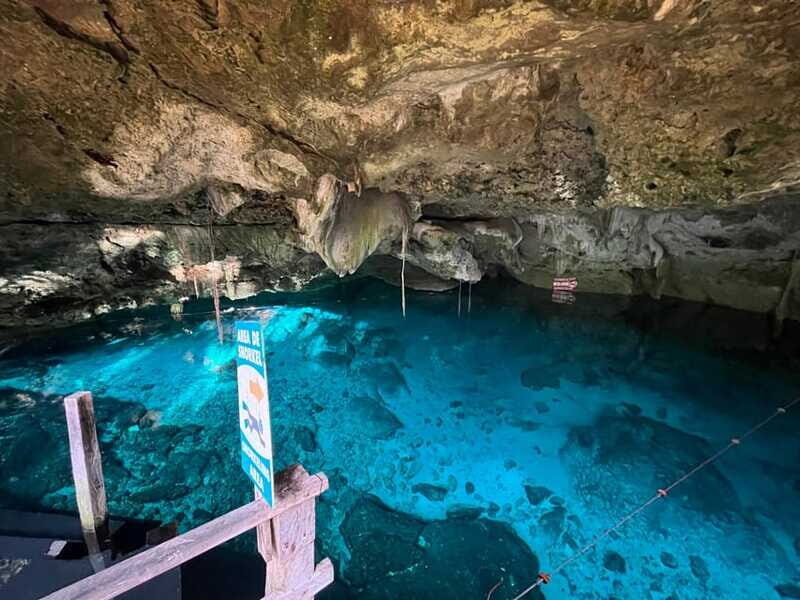
The tour timing is built around pacing and comfort. You’re looking at about 4 hours total, with a schedule that keeps the dives separate enough to stay fresh.
Here’s the sequence you should expect:
- You start at your chosen meeting point.
- You get a safety briefing (about 30 minutes).
- Then you do Dive 1 (about 40 minutes underwater).
- You take a break (about 30 minutes).
- You do Dive 2 (about 40 minutes underwater).
- The later portion includes time that may feature spirits, free time, and a stop at an arts & crafts market (about 30 minutes).
That break matters. Cenote conditions can be mentally and physically tiring, especially when you switch from bright areas to darker passages. A mid-trip pause gives you time to reset, dry off, and keep your head in the right place for the second dive.
Dive one: shallow light and clear-water formations
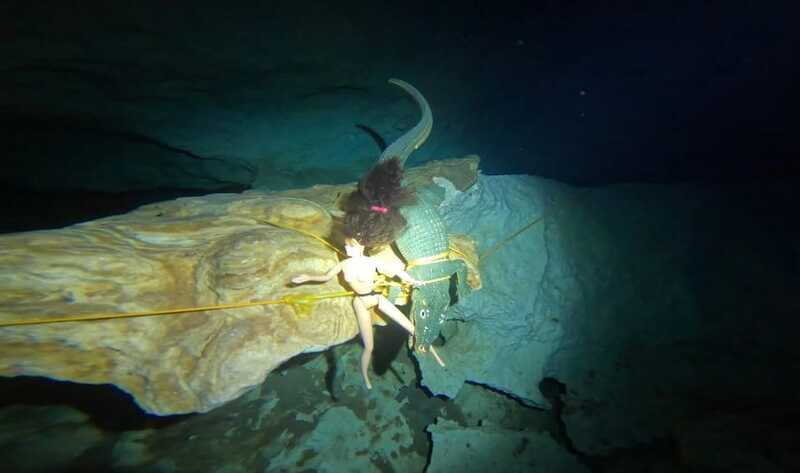
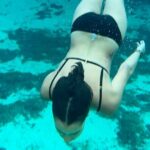
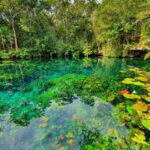
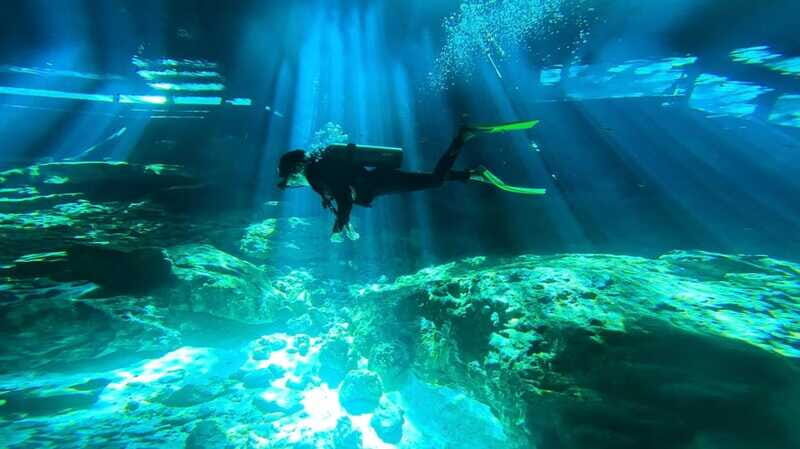
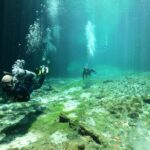
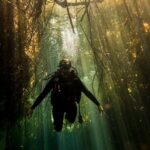
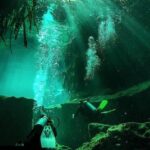
The first dive focuses on the brighter side of Dos Ojos. You’ll move through crystal-clear water and spend time in areas where the light shows through the surface and rays illuminate what’s around you.
This is the dive that tends to help people understand the space. When you can see how the rock formations sit and where the ceiling opens up, it becomes easier to relax. It’s also where you’ll get the “wow” factor quickly, because the water visibility is a big part of what makes cenotes special.
If you’re a diver who likes to pay attention to detail, this is where it shows. You’re not just staring at your gauges; you’re watching the cavern shape and how light behaves in water.
Other cenote tours we've reviewed in Tulum
- Selva Maya Eco Adventure Park: Ziplining, Hanging Bridges, Rappelling and Cenote
★ 5.0 · 1,057 reviews



Dive two: bat cave passages and that darker feel
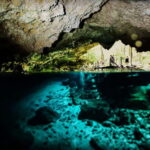
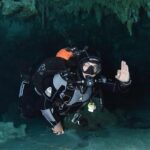
The second dive is the darker one: the bat cave. Expect a more cave-like experience with a series of rooms and passages where only a small amount of light enters.
This isn’t just about mood. The bat cave section changes how you navigate and how you manage your attention. In darker water, you naturally rely more on your light and your guide’s cues, and you become more aware of buoyancy and positioning.
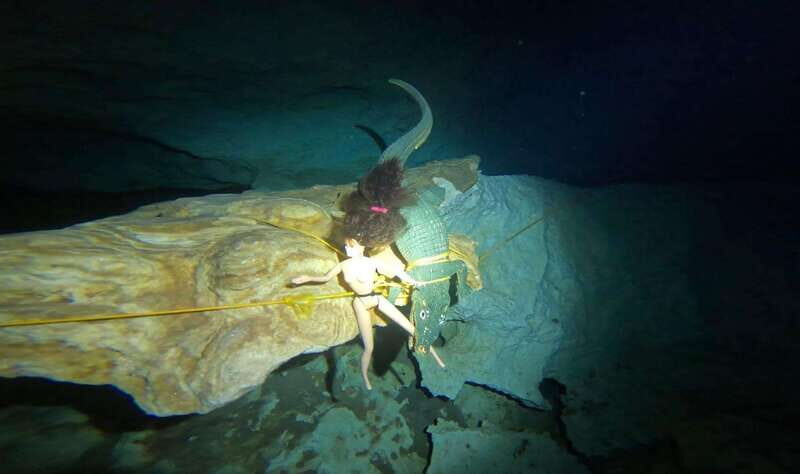
The tour also includes fun named highlights like diving along the Bat Cave and the Barbie line, which are markers that help describe routes within Dos Ojos. Even if you don’t know the names ahead of time, you can trust that the guide is leading a planned path, not winging it.
Paolo’s guiding style: calm plans, clear communication
The most repeated praise in the dive experience is the guide. Paolo (sometimes written as Pablo) comes up again and again for being both communicative and steady. One diver noted that the briefing felt professional and that safety was the top priority, with no rushing or pressure.
That kind of guidance matters in cenotes more than in open water. Cavern diving has mental load: you need to keep track of your air, your depth, and your body position in relation to your surroundings. A good guide reduces uncertainty by explaining what you’re doing, when you’ll do it, and what to watch for.
For English and Spanish speakers: the guide is listed as working in English and Spanish, so you’re not stuck guessing.
Small group of 4: why it changes your whole day
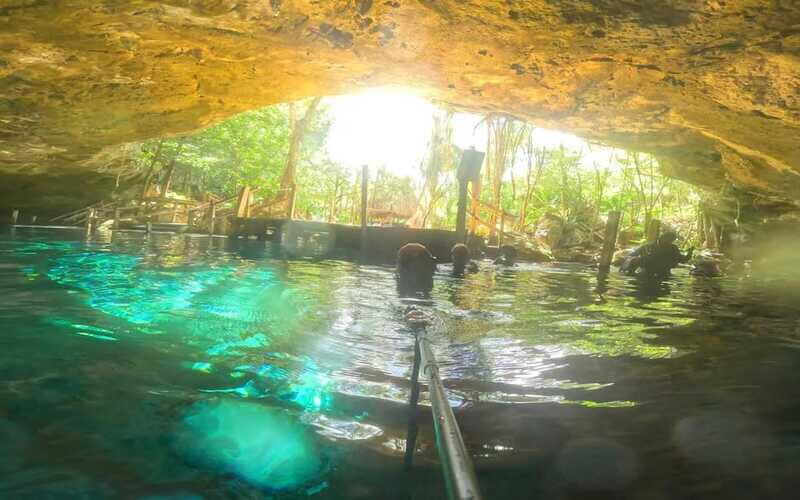
This isn’t a huge cattle-call operation. The group is limited to 4 participants, which typically means:
- less waiting between checks
- more direct attention during the briefing
- fewer people crowding around the same equipment
In practice, that usually turns into a smoother day. You’ll get a plan that makes sense, and you’re more likely to feel comfortable if you have questions.
You also get a better chance of staying on the same pace underwater. In tight, echoing cavern spaces, pacing isn’t a luxury. It affects safety and comfort.
Gear rental on site: convenient, but price it before you need it
Tanks and weights are included, and the rest can be rented on site if you need it. Gear rental is listed with individual item pricing, so it’s worth checking what you’re missing before you arrive.
Common sense approach:
- If you bring your own mask, fins, and regulator, you may only need a light or wetsuit.
- If you’re renting a complete setup, costs can add up quickly, especially for wetsuit thickness options.
Also remember: this isn’t a casual swim. You need to be comfortable with your setup, and you need proper fit. If you’re renting, arrive early enough to get your adjustments done without rushing.
Who this tour fits (and who should skip it)
This trip is for certified divers. You should also bring your diving certification, because the tour is not listed for non-divers or people who aren’t suited for scuba in a cavern setting.
Not suitable for:
- children under 15
- people with claustrophobia
- non-swimmers
- divers who did scuba within 24 hours prior
Now, here’s the careful balance: one review specifically suggested the cenote felt big and not tight-passage scary for claustrophobes, with no narrow passages. But the activity still flags claustrophobia as a reason not to go. If you have real anxiety about enclosed spaces, I’d treat the official note seriously and choose something else.
If you’re a capable certified diver who wants two different cenote moods in one day, this is a strong fit—especially if you appreciate professional briefings and a small group.
Price and value: is $116 a good deal?
At about $116 per person, this option can feel like a bargain compared to the effort and specialized guiding that cavern-style cenote diving requires. The key is what’s included. You’re not paying extra for tanks and weights, and you’re paying for two guided dives rather than one.
Still, you should budget for the “on site” costs:
- cenote entry (around 400 MXN)
- optional equipment rental if you don’t bring your own
When I look at the math for value, I focus on how you’re paying for guidance and structure. Here, you’re paying for a planned experience with professional safety briefings and a very specific route set: one light dive and one bat cave dive. That structure is usually what makes the difference between a fun outing and a forgettable one.
For divers who already own most gear, $116 plus entry tends to be a clean, predictable spend. For divers who must rent nearly everything, the final total will climb, but the convenience of on-site rental can still be worth it.
Bonus stop: spirits time and an arts & crafts market
After your second dive, you’ll have a short block of time that may include spirits, free time, and a stop at an arts & crafts market.
Think of this as a chance to cool down, hydrate, and do something more Tulum than underwater rock science. It also means the day doesn’t end the moment you hit the surface.
If you prefer a pure dive-only timeline, you might treat this as a flexible extra rather than the main event. But if you like blending experiences—water first, then local browsing—this works well.
Should you book this Dos Ojos two-dive tour?
Book it if:
- you’re a certified diver and want two different Dos Ojos experiences in one day
- you value a guide who communicates clearly and keeps safety tight (Paolo comes through on this)
- you want small group attention instead of a big crowd
Skip it if:
- you have strong claustrophobia concerns
- you’re not comfortable as a diver or you don’t meet the certification requirement
- you need a fully self-contained package price with no on-site extras (because entry and gear are due on site)
If you’re deciding between different Tulum cenote scuba options, this one makes sense when you care about structure: briefing, two planned dives, and a guide who clearly knows the system.
FAQ
What do I need to bring for this scuba tour?
You need to bring your diving certification. The tour also notes you should be prepared as a certified diver since it isn’t listed for non-swimmers.
How long is the experience?
The tour runs about 4 hours.
How many dives are included?
You get two guided dives in the Dos Ojos cenote area, each with guidance and time underwater.
Do I pay cenote entry and equipment rental separately?
Yes. Cenote entry (about 400 MXN) and equipment rental are not included and are due on site. Tanks and weights are included, though.
What gear is provided, and what can I rent?
The tour includes dive tanks and weights. You can rent additional equipment on site, such as mask, fins, light, BCD, regulator, and wetsuits, if needed.
Where do I meet, and do I have to use a transfer?
You can meet at Dos Ojos park or at Starbucks Tulum DT. If you choose the option with transfers, the tour includes pickup and drop-off from a convenient point in Tulum.
Are there age or health limits?
Yes. It’s not suitable for children under 15, and it’s listed as not suitable for people with claustrophobia and non-swimmers.
What’s not allowed during the tour?
The tour lists smoking, drones, and sunscreen as not allowed.
More Scuba Diving Tours in Tulum

More Cenote Tours in Tulum
- Selva Maya Eco Adventure Park: Ziplining, Hanging Bridges, Rappelling and Cenote
★ 5.0 · 1,057 reviews