REVIEW · TULUM
Discovery Scuba Diving
Book on Viator →Operated by Infinity 2 Diving · Bookable on Viator
Cenotes make scuba feel instantly real. In Tulum, this PADI Discover Scuba try-out brings you into the water with a step-by-step setup, small-group coaching, and the comfort of a PADI instructor right there with you. I also like the value angle: lunch and gear rental are included, so you can plan your day without surprise add-ons. One thing to keep in mind is that it’s designed to be beginner-friendly, so the pace and what you see may feel a bit basic if you already have experience.
If your schedule is tight, this is a smart way to test the waters without committing to full certification. The plan is beginner-focused, usually centered on Casa Cenote, and it stays within safe depth/site limits for this area (with Yax Chen as a safety alternative). You’ll also need to fit it around health and timing rules, since there’s a health questionnaire and a recommendation to avoid diving within 18 hours of flying.
In This Review
- Key Things I’d Plan Around
- Entering The Cenote Scene: A Simple Try-Scuba Day in Tulum
- What You Actually Do: Theory, Pool Skills, Then Casa Cenote
- 1) Theory basics, no mystery jargon
- 2) Confined water practice in a pool
- 3) Open-water session around Casa Cenote
- Your Day’s Flow: Timing, Transport, and Where to Meet
- Why the Instructor Matters More Than You Think
- Safety Rules You Should Not Skip
- Casa Cenote: What It Feels Like and What You’ll See
- Gear, Food, and The Value Math That Actually Helps
- What If Something Goes Wrong? Watch How They Handle It
- Who This Experience Suits Best
- Weather, Comfort, and Realistic Expectations in Tulum
- Should You Book This Scuba Trial in Tulum?
- FAQ
- How long is the Discover Scuba experience in Tulum?
- Is this a certification course?
- What happens first: classroom or water practice?
- Is rental equipment included?
- Does the price include meals?
- Where do we meet for the tour?
- Is hotel pickup included?
- Do I need to complete any health forms?
- Are there timing rules if I’m flying soon?
- What if weather is bad on the day?
Key Things I’d Plan Around
- Small-group instruction with named instructors like Julieta, Jess, and Alejandro, plus hands-on reassurance before you go farther
- Classroom theory + pool skills before you enter the cenote water, so you know what’s happening
- Casa Cenote as the main setting, with safety limits that keep the experience approachable
- Lunch, snacks, and water included, plus rental equipment so you arrive ready
- Private group so you don’t get shoved into someone else’s pace
- Operational flexibility when travel hiccups happen, including help getting through delays without wrecking the day
Entering The Cenote Scene: A Simple Try-Scuba Day in Tulum
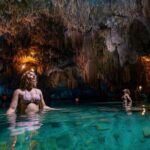
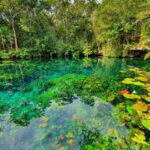
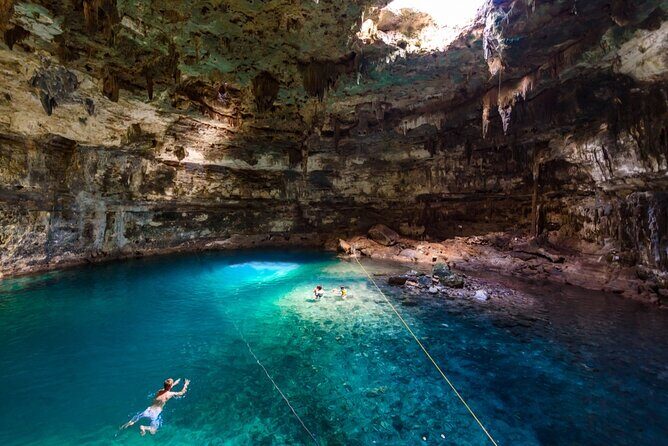
This is the kind of experience that makes the whole idea of scuba feel real fast. Tulum’s cenotes are dark, cool, and perfectly weird in the best way, and this program uses that setting to help you learn the basics without jumping straight into full certification.
What I like most is how “controlled” the day feels. You start with theory, you practice skills in a pool first, and then you head into the cenote environment for your first open-water session. That step order matters because it reduces the usual first-time chaos: you’re not only dealing with breathing and buoyancy, you’re also adjusting to water pressure and gear weight.
The second big win is value. Rental equipment, lunch, snacks, and water are included, and you’re not stuck wondering what costs extra after you arrive. It also runs about five hours, which is a sweet spot when you want the experience but you don’t want to burn a whole day.
The only real drawback is that this program is intentionally not about showing off advanced underwater skills. If you’ve already been trained before, you might feel like things move slowly. And because cenote safety rules limit where you can go in this area, you should plan on a controlled, not-all-over-the-region, kind of day.
Other scuba diving tours we've reviewed in Tulum
What You Actually Do: Theory, Pool Skills, Then Casa Cenote
The program follows a clean progression, and you’ll know what to expect at each stage.
1) Theory basics, no mystery jargon
Before you touch equipment, you’ll learn the fundamentals in a classroom setting. Think: how the gear works, what your instructor expects from you, and the key rules that keep the experience safe and calm. It’s not a full course meant to certify you, but it gives you enough structure to feel less like you’re guessing.
2) Confined water practice in a pool
Then you head to the swimming pool to practice skills. This is where you get your bearings: learning how to control your breathing, how things should feel in the mask and regulator, and how to move with the help of your instructor’s cues. It’s also where first-timers usually breathe easier because they’re in a familiar, shallow setting before the cenote.
3) Open-water session around Casa Cenote
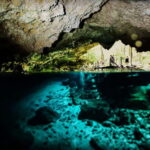
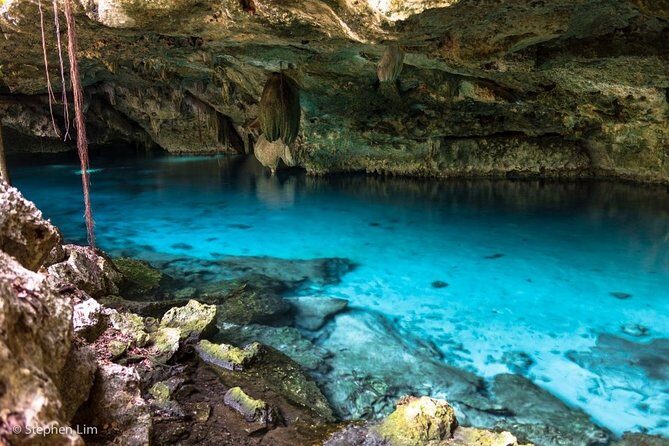
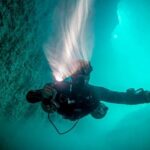
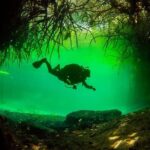
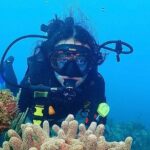
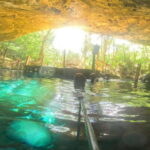
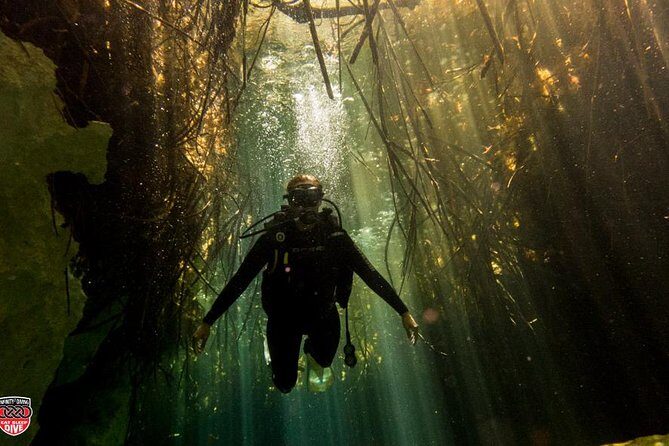
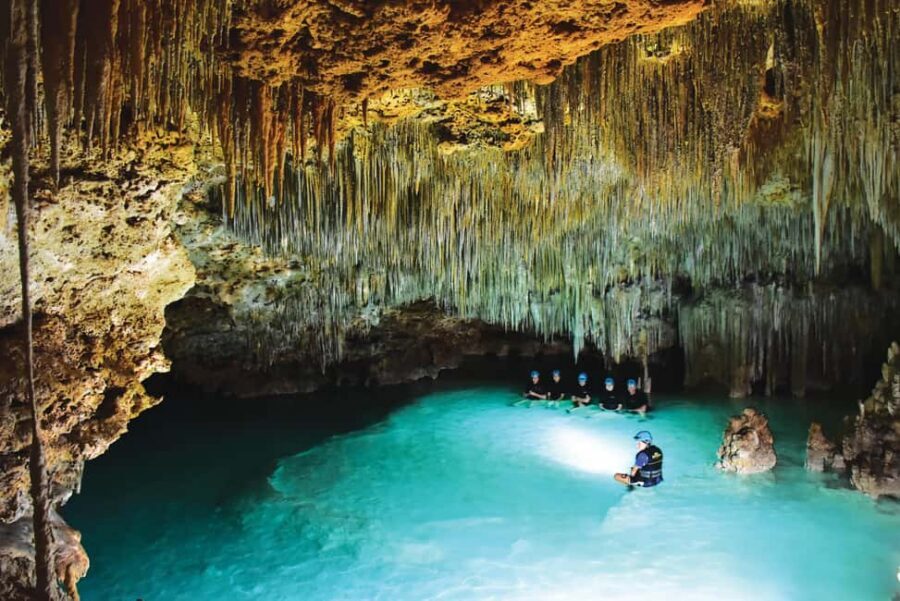
After skills practice, you move to an outdoor cenote setting for your first underwater experience. Casa Cenote is the main location, and this is where you get to see the underwater world under a cenote’s surface: more water movement than the pool, lower light, and the satisfying sense that the lessons you practiced actually work.
This is also the part where you’ll notice how much instruction style matters. In the reviews, I saw a clear pattern: instructors like Mia and Nickolia stayed right near nervous students until they felt ready, and guides such as Maya and Julia were patient enough to keep the mood steady. That matters, because confidence often shows up only after the first few minutes go well.
Other scuba diving tours in Tulum
Your Day’s Flow: Timing, Transport, and Where to Meet
This is a short day, about five hours total. That makes it practical for people who are squeezing in a few Tulum activities without turning the trip into a spreadsheet.
You’ll meet at Palenque 22, La Veleta, Tulum, Q.R., Mexico. The activity ends back at the meeting point. Hotel pickup and drop-off are not included, so plan to get yourself to the start location. If you’re staying in central Tulum or the La Veleta area, this usually feels manageable with a taxi or local transport. If you’re farther away, it’s worth budgeting for the commute so you arrive relaxed, not rushing.
You’ll have transport from Infinity 2’s location and back included as part of the experience. That takes away one headache: you don’t have to coordinate separate rides for the cenote segment. Still, your arrival at the meeting point is on you.
One more helpful detail: you receive a mobile ticket. That’s a small thing, but it reduces the odds of last-minute confusion.
Why the Instructor Matters More Than You Think
In scuba training, the gear is important, but the person teaching you matters just as much. The highest praise in the reviews focuses on patient, supportive coaching and safety-first attention—especially for nervous first-timers.
I noticed recurring names and themes:
- Julieta, Miri, and Jonas were repeatedly praised for being supportive and helpful through the whole excursion.
- Jess was highlighted for giving clear precautions and for being experienced, with instructors staying close to check comfort before going further.
- Mia and Nickolia were praised for helping someone feel ready at their pace.
- Alejandro and Mariana were praised for patience with beginners, including moments where students still felt scary feelings even after previous attempts.
This is exactly what you want to hear before you book. In a cenote setting, the surroundings are dramatic—shadows, enclosed walls, and a quiet feeling that’s different from open water. A good instructor keeps the focus on simple steps: check your gear, listen for cues, breathe steadily, and adjust slowly.
Also, this is a private tour/activity. Only your group participates, which usually means less waiting around and fewer awkward moments when someone needs extra time.
Safety Rules You Should Not Skip
This is where the program draws a real line between a fun try and a risky situation.
First, there’s a health questionnaire required before you dive. You’ll need to be honest, and some pre-existing conditions (asthma, heart conditions, and similar issues) may prevent you from participating. The safest move is to talk to your doctor before you schedule if you have any medical concerns.
Second, timing matters. Diving within 18 hours of flying is not recommended. That’s tied to how your body adjusts after changes in altitude and pressure. If your itinerary includes flights on the way in or out, schedule this experience with buffer time so you’re not cutting it close.
Third, you should have moderate physical fitness. You’re not doing endurance athletics, but you are handling gear, moving in water, and keeping yourself comfortable with buoyancy and breath control. If you’re dealing with mobility issues or you know your fitness is limited, consider whether you can handle pool practice and then being in open-water conditions under guidance.
Finally, the sites are safety-limited. Casa Cenote is the standard main setting, and Yax Chen is mentioned as the safety alternative in this area. So don’t expect a wild itinerary that takes you to far-off locations. Expect a controlled, training-focused day.
Casa Cenote: What It Feels Like and What You’ll See
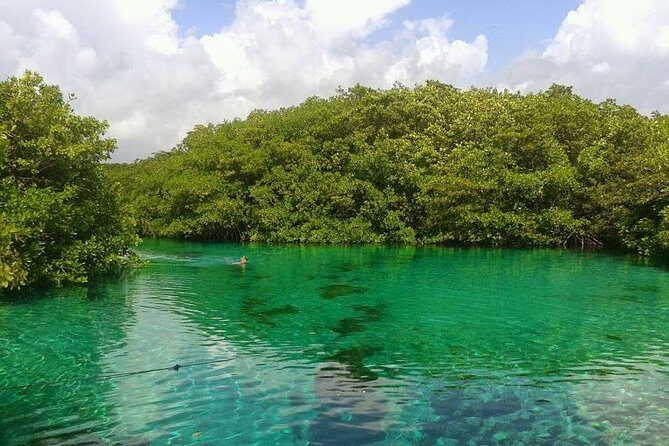
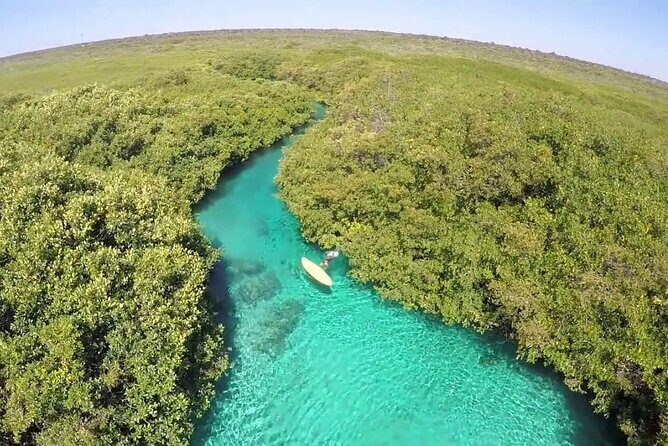
Casa Cenote is the star of the plan. It’s a cenote setting with enclosed water and controlled conditions that are well-suited for first-timers.
What that means for your expectations:
- You’ll likely notice lower visibility than in a sunny outdoor pool.
- You’ll feel the change from pool depth and open area to a more enclosed space.
- You should treat the experience like a first training session, not a long underwater adventure.
One useful bit from the guidance around the area: if you’ve been trained before, this specific session can feel slower and more basic. That doesn’t mean it’s bad—it means the program is protecting your learning curve.
If you’re brand new, that same pace is often a gift. You get time to practice breathing control and movement without being rushed. And the instructors typically spend extra moments checking comfort, which helps you enjoy the novelty instead of fighting anxiety.
Gear, Food, and The Value Math That Actually Helps
This tour keeps the basics covered, and that’s part of why it gets such consistent high marks.
Included:
- Rental equipment
- Lunch
- Snacks and water
- Transport from Infinity 2 and back
- A PADI instructor
Not included:
- Hotel pickup and drop-off
When I judge value, I focus on what you’d otherwise have to scramble for. Gear rental can be a separate line item in many scuba experiences, and food costs add up fast once you’re out in the field. Having lunch, snacks, and water included means you can stay focused on the training without doing that mid-day decision fatigue.
Also, the equipment and instructor are not generic “good luck” items. This is a guided, structured try where you practice skills before the first underwater session. That’s not only safer—it usually feels less stressful, and that can matter more than the schedule length.
What If Something Goes Wrong? Watch How They Handle It
Adventure days have a way of getting messy: traffic, road closures, weather, or timing changes can happen anywhere.
In the reviews, I saw an example of real-world flexibility. On one outing, a serious wreck caused a delay because of a one-way road situation, and the instructors didn’t just leave people waiting around. Instead, they handled it by taking the group to a restaurant and even enjoying a meal together until things improved. It’s a reminder that the best operators don’t panic when the day changes.
Even if you don’t love uncertainty, you can feel better knowing this is the kind of team that tries to keep your day intact.
Who This Experience Suits Best
This is ideal if you’re:
- short on time and want an introduction rather than full certification
- curious about scuba but unsure you’ll like it
- a first-timer who needs patient coaching and time to get comfortable
- someone who values structured steps (theory → pool → cenote session)
You might not love it if:
- you already have scuba experience and you want longer, faster, more advanced underwater time
- you expect a huge range of dive sites
- you have health conditions that could make scuba participation unsafe
If you’re close to full certification and you already feel comfortable with pool training, you may find the try-program too short. But if you’re on the fence, this is exactly the point: a low-commitment way to test the experience with a professional instructor.
Weather, Comfort, and Realistic Expectations in Tulum
This experience requires good weather. If conditions are poor, you’ll be offered a different date or a full refund. That’s a key practical detail because cenotes are sensitive to conditions, and the day needs to stay safe and manageable.
Comfort also ties to your own preparation. The program asks for moderate physical fitness, and you should expect some time in water handling equipment. Bring a mindset of learning, not performance. The goal is to leave feeling like you understand the basics and know whether you want to continue toward full certification.
And because it’s only about five hours, you won’t have the long training arc of multi-day courses. Treat it as a taste, then decide if you want the full process.
Should You Book This Scuba Trial in Tulum?
Book it if:
- you want a beginner-friendly introduction built around learning steps and close instructor attention
- you value included gear and meals so your day stays simple
- you want Casa Cenote as your first underwater setting, without a full certification commitment
Pass or reconsider if:
- you already know scuba well and want a longer, more advanced underwater session
- you’re not sure your health situation fits the required questionnaire and pre-checks
- you can’t get to the meeting point without hotel pickup help
My bottom-line take: this is a smart, time-efficient way to try scuba in Tulum with real structure and supportive teaching. If you’re nervous, that’s not a deal-breaker here—this is the kind of program that’s built to slow down until you feel okay.
FAQ
How long is the Discover Scuba experience in Tulum?
It runs about 5 hours, approximately.
Is this a certification course?
No. It’s an introduction meant to let you try scuba and see if you like it. It is not a certification.
What happens first: classroom or water practice?
You start with theory basics, then move to confined water (a pool) to practice skills, and finally do the open-water session at Casa Cenote.
Is rental equipment included?
Yes. Rental equipment is included in the price.
Does the price include meals?
Yes. Lunch, snacks, and water are included.
Where do we meet for the tour?
You meet at Palenque 22, La Veleta, Tulum, Q.R., Mexico.
Is hotel pickup included?
No. Hotel pickup and drop-off are not included, and the meeting point is where you start.
Do I need to complete any health forms?
Yes. Everyone must complete a health questionnaire prior to scuba participation.
Are there timing rules if I’m flying soon?
Diving within 18 hours of flying is not recommended.
What if weather is bad on the day?
If the experience is canceled due to poor weather, you’ll be offered a different date or a full refund.
More Scuba Diving Tours in Tulum
More Tour Reviews in Tulum
- Selva Maya Eco Adventure Park: Ziplining, Hanging Bridges, Rappelling and Cenote
★ 5.0 · 1,057 reviews