REVIEW · PLAYA DEL CARMEN
Authentic Mexican Cooking Class in Playa del Carmen
Book on Viator →Operated by Cozumel Chef · Bookable on Viator
This class starts with peppers, not plates. The experience is built around a simple idea: you shop like locals at DAC Verduras y Frutas, then you cook with Chef Isa in a home kitchen. I love the small-group size (max 8) because you actually get hands-on time, and I love the market-to-kitchen flow that makes the food feel real, not staged.
The main thing to factor in is timing and logistics: it runs about 3 hours, and you’ll be walking between locations and doing active prep. Also, there may be stairs around the meeting setup, so bring comfortable shoes and think about accessibility if that’s a concern for you.
In This Review
- Key things I’d book this for
- Market to home kitchen: the flow that makes this class work
- Your main dish choice: regional Mexican flavors with real decision-making
- Stop 1 at DAC: learning chiles and produce like a cook
- Isa’s kitchen routine: salsas, guacamole (two types), tortillas, and aqua fresca
- Salsas: learn the smoky vs fresh balance
- Guacamole: two styles, not one trick
- Tortillas: the skill you’ll actually use
- Drinks: seasonal fruit turned into something you can taste
- Lunch time: you eat what you make, and it’s a multi-dish meal
- What you get to take home: printed recipes (and confidence)
- English + small-group size: why it matters for learning
- Cost and value: is $120 a fair deal?
- Who this suits best (and who should think twice)
- Before you go: practical tips for a smooth class
- Should you book Chef Isa’s cooking class in Playa del Carmen?
- FAQ
- How long is the cooking class?
- What time does it start?
- Where do I meet the group?
- Is lunch included?
- What does the price include?
- Is the class offered in English?
- Are vegans and vegetarians welcome?
- Is hotel pickup included?
- How large is the group?
- What is the cancellation policy?
Key things I’d book this for
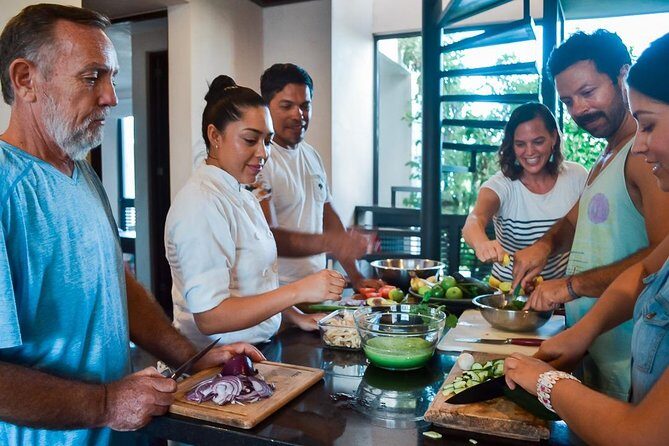
- DAC market start: you’ll learn what to buy and why, right where produce and chiles are stacked.
- Small group, lots of hands-on: everyone gets a cutting board and time at the stove.
- A choose-one main dish: you pick from regional options, then everything else builds around it.
- Salsas, guacamole, and tortillas are the backbone: not an afterthought, but the focus.
- Lunch and drinks included: you eat what you make, plus bottled water and aqua frescas.
- Printable recipes: you leave with a folder you can actually follow at home.
Market to home kitchen: the flow that makes this class work
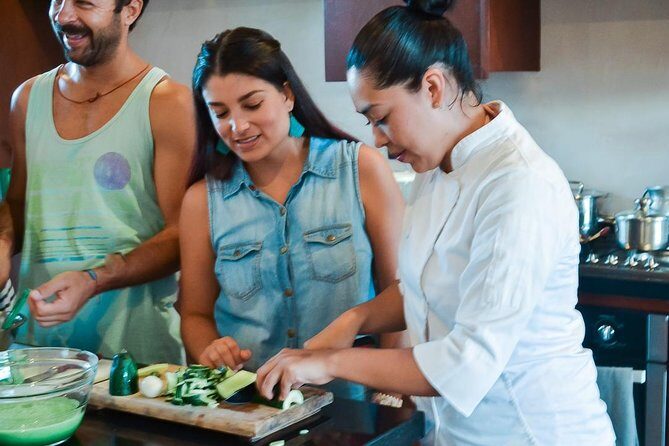
This cooking class is designed to feel like Mexican hospitality, not a demo where you sit and watch. You meet at DAC Verduras y Frutas (30 Avenida Nte., Manzana 34, Lote 10, between Constituyentes and Calle 22, Gonzalo Guerrero, Playa del Carmen). The start time is 11:00 am, and you’ll spend the early part of the experience learning ingredients with Chef Isa.
What I like about the setup is that it teaches you the logic of Mexican cooking. You’re not just memorizing recipes. You’re learning how chiles, citrus, herbs, and fat work together—because you’re seeing the raw ingredients first. That market session also sets the tone: you’re surrounded by local produce and you’ll get real talk about what you’re buying.
Then you walk to Isa’s home kitchen to cook. This change matters. Cooking at a home pace usually means fewer bottlenecks and more chances for everyone to try tasks like chopping, mixing sauces, and learning tortilla prep.
Other Playa del Carmen tours we've reviewed in Playa del Carmen

Your main dish choice: regional Mexican flavors with real decision-making
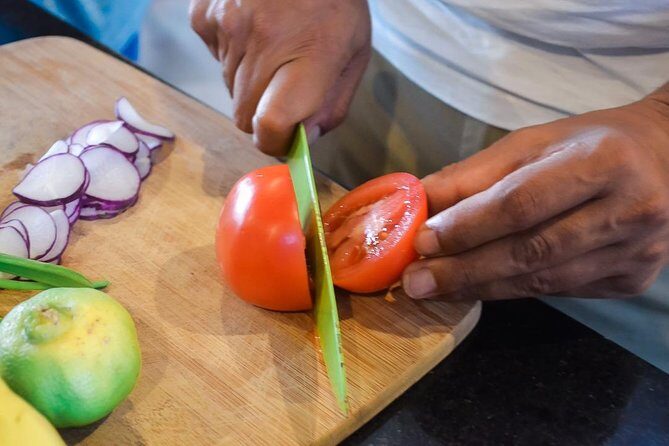
A big part of the fun is that you choose one main dish from a menu of regional Mexican favorites. That choice keeps the class personal. It also helps you leave with something that matches your tastes, even if you’re not a “try everything” type.
Your main dish options (depending on what’s available) can include classics like:
- Mole Poblano w/ Chicken or Green Mole w/ Chicken
- Chicken Tinga
- Tacos al Pastor
- Chile Relleno (cheese, or shrimp & cheese)
- Cochinita or Chicken Pibil (Yucatán)
- Several fish options including Tiikin Xic Fish (Yucatán), Fish a la Veracruzana (Veracruz), or A la Talla Fish (Guerrero)
- Fresh Fish Ceviche
- Tostadas with beef or fish
- Chiles en Nogada, but only available in August
Two practical tips for your decision:
- Pick the dish that you most want to recreate at home. Everything else becomes supporting characters, but your main dish is the anchor.
- Don’t overthink the regional labels. If you like smoky, choose something like mole or roasted salsa-heavy mains. If you like tang and spice, a tinga or ceviche direction can hit the mark.
If you’re vegetarian or vegan, you’re welcome. The experience also notes that substitutions may be made for seasonal ingredients, so be ready for small pivots depending on availability.
Stop 1 at DAC: learning chiles and produce like a cook
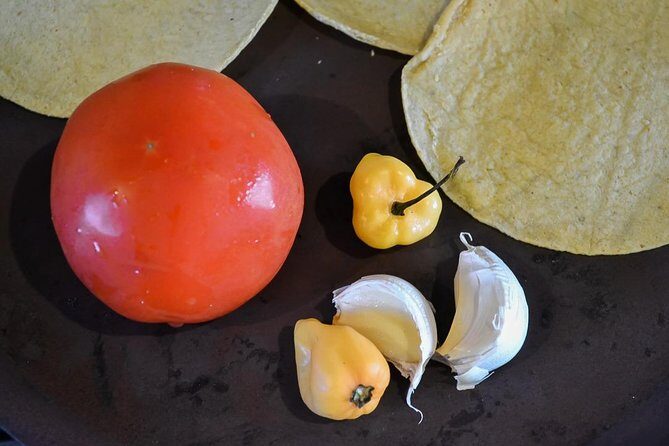
The market stop at DAC Verduras y Frutas isn’t a quick photo stop. You’ll get guided ingredient education tied directly to what you’ll cook later. Isa typically explains how ingredients behave in real Mexican cooking—what changes between raw and dried chiles, for example, and how pepper variety affects flavor, heat, and aroma.
In particular, this is where you’ll get the pepper lesson that people talk about most. You’ll compare different types of chiles and learn what each one contributes. That matters because Mexican salsa isn’t one flavor. It’s a system: roast, soak, grind, blend, then balance with acid and salt.
You’ll also choose the one main dish you’ll cook. That selection isn’t random. It informs what you buy and how you approach flavors during cooking. And since this is small-group cooking, you’re not lost in the crowd—there’s time for questions.
Isa’s kitchen routine: salsas, guacamole (two types), tortillas, and aqua fresca
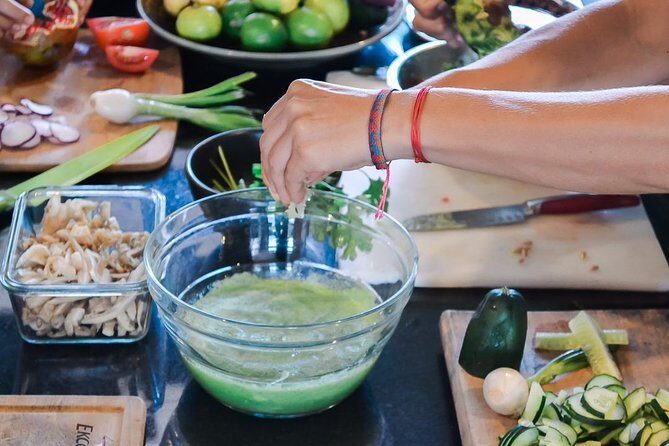
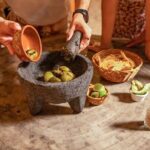
After the market, you head to Isa’s home kitchen to cook. This is where the class becomes hands-on and social. You’ll get your own cutting board and apron, and you’ll do real prep tasks like chopping onions, tomatoes, garlic, and cilantro.
The class menu structure is consistent, even though your main dish changes:
- Two traditional salsas
- Two types of guacamole
- Corn tortillas
- A fresh beverage made from seasonal fruits
- Bottled water, plus Mexican aqua frescas
Salsas: learn the smoky vs fresh balance
You’ll make two traditional salsas. One tends to lean smoky/roasty, which gives you that deep chile flavor you can taste even days later in leftovers. The other gives you a fresher, brighter profile. The pair is smart because it shows you how to serve salsa like a menu, not like a single sauce.
Other cooking classes in Playa del Carmen

Guacamole: two styles, not one trick
You’ll make guacamole in two types. One is classic, and the other can be a creative variation. In a past class, one guest described a version with pomegranate seeds and ginger, which is a fun reminder that guac can be both traditional and flexible. The bigger lesson is technique: avocado texture, salt, citrus, and the timing of mixing.
Tortillas: the skill you’ll actually use
You’ll learn to make corn tortillas, and that’s one of the most practical skills you’ll take home. You’ll be shown how the cooking and handling should work, so you’re not guessing later. In at least one class, guests felt confident enough to recreate tortillas at home, which is the kind of takeaway that justifies the class price on its own.
Drinks: seasonal fruit turned into something you can taste
You’ll also prepare a fresh beverage from seasonal fruits. This isn’t a random add-on. It’s part of the meal balance—bright, cooling, and perfect alongside rich sauces and savory mains. Plus, you’re already in the ingredient mindset from the market, so the flavor makes sense.
Lunch time: you eat what you make, and it’s a multi-dish meal
The lunch is included, and it’s built from what you cooked—so you don’t leave hungry or frustrated. In practice, you’ll taste:
- the salsas and guacamole you prepared
- tortilla chips or tortilla pairing (depending on how it’s assembled that day)
- your chosen main dish
- extra dishes as part of the lunch setup
And yes, you’ll likely leave full. One important note: a few people found the class longer than they expected. The listing says about 3 hours, but in real life it can run closer to a full block of morning/early afternoon depending on pacing and how much the group is asking about ingredients.
If you want a low-stress day after this, plan something simple—then you’ll have room for a slow lunch and a relaxed digestion.
What you get to take home: printed recipes (and confidence)
You’ll receive printouts of the recipes, and that’s the difference between tasting great food and actually learning something you can cook again. The format isn’t described in detail, but the intent is clear: you should be able to follow the instructions when you’re back in your own kitchen.
Also, the class naturally teaches method. Even if you tweak spices at home, the pepper-to-salsa approach and tortilla basics are what stick.
English + small-group size: why it matters for learning
The class is offered in English, and that’s not a small detail if you’re there to learn technique. You’ll be following step-by-step cooking directions, asking questions, and hearing ingredient explanations that link directly to what’s in front of you.
The group limit of 8 travelers is the other big reason this works. With small numbers, Chef Isa can notice if someone is struggling with chopping speed or tortilla timing, and she can correct without making it awkward. One guest mentioned that tasks were handled supportively, even when someone was cautious about a specific cooking step.
Cost and value: is $120 a fair deal?
At $120 per person for about 3 hours, this isn’t a bargain-basement activity. But it also isn’t just a “meal plus a show.”
You’re paying for:
- a market visit with guided ingredient education
- hands-on cooking with real tasks for everyone
- lunch made from multiple dishes
- bottled water and aqua frescas
- printed recipes to take home
In other words, you’re buying a full culinary workshop, not only food. If you like cooking classes where you leave with a skill (tortillas) and a menu you can repeat (salsas + guac + a main), the price starts to look more reasonable.
If you’re only interested in eating and have zero interest in cooking, then you might find better value elsewhere. But if you want the “I can make this at home” outcome, you’re in the right place.
Who this suits best (and who should think twice)
This class is a great fit if you:
- love authentic food experiences that go beyond a restaurant meal
- want a small-group setting where you’ll actually cook
- enjoy learning ingredients, especially chiles and citrus-heavy flavors
- want a memorable activity that ends with a full lunch
It may be less ideal if you:
- need hotel pickup (this class does not include it)
- want a totally passive experience (this is hands-on)
- have mobility issues, because there may be stairs in the meeting setup and you’ll be walking between locations
Kids are welcome in a limited way: no children under 8, and 8 to 18 must be accompanied by an adult. If you’re bringing a child, the age rule is worth respecting so everyone’s experience stays comfortable.
Before you go: practical tips for a smooth class
A few common-sense things will make your morning easier:
- Wear comfortable shoes. You’ll walk and stand while prepping.
- Bring curiosity about peppers. The chile portion is a highlight, and asking questions makes it click.
- Come hungry enough for lunch. You’ll be making a lot of food.
- If you’re vegan/vegetarian, plan to communicate needs clearly when booking so substitutions can fit your diet.
- You’ll handle getting to the meeting point on your own. The tour is near public transportation, and the organizers say they can share info on how to get there.
One more thing: in some classes, additional family help has joined in the kitchen (including Isa’s mother-in-law in at least one description). If that happens during your session, it can mean extra friendliness and a slightly different rhythm.
Should you book Chef Isa’s cooking class in Playa del Carmen?
I’d book it if you want a real cooking lesson that includes both market learning and a home-kitchen cooking session, capped with lunch you helped make. The small-group size, the structured menu (salsas, guacamole in two styles, tortillas, fruit drink), and the printed recipes are what make it worth your time.
I’d think twice if you want a sit-and-watch tour, if you strongly dislike walking/standing, or if you need transport beyond public options. Also, if accessibility is a concern, ask what your route and meeting setup look like on your specific date.
If you’re the type who likes to take one or two standout skills home—like tortilla-making—this is the kind of class that pays off long after your last day in Playa del Carmen.
FAQ
How long is the cooking class?
It runs for about 3 hours.
What time does it start?
It starts at 11:00 am.
Where do I meet the group?
You meet at DAC Verduras y Frutas, 30 Avenida Nte. Manzana 34 Lote 10, between Constituyentes and Calle 22, Gonzalo Guerrero, 77710 Playa del Carmen, Q.R., Mexico.
Is lunch included?
Yes. Lunch is included, and it’s made from what you prepare during the class.
What does the price include?
The price includes all ingredients, bottled water and Mexican aqua frescas, a printout of recipes, and the small-group cooking class limited to 8 people.
Is the class offered in English?
Yes. The experience is offered in English.
Are vegans and vegetarians welcome?
Yes. Vegans & vegetarians are welcome.
Is hotel pickup included?
No. Hotel pickup and drop-off are not included, and you’ll need to arrange your own transportation to/from the meeting point.
How large is the group?
The class is limited to a maximum of 8 travelers.
What is the cancellation policy?
You can cancel for a full refund up to 24 hours before the experience starts. If you cancel within 24 hours, the payment isn’t refunded.