REVIEW · PLAYA DEL CARMEN
Playa del Carmen: Isa’s Authentic Mexican Cooking Class
Book on GetYourGuide →Operated by Cozumel Chef Food Tours · Bookable on GetYourGuide
It starts with a market, not a classroom. Isa’s Authentic Mexican Cooking Class turns Playa del Carmen downtown into a real food lesson, with you shopping for ingredients and then cooking with classic tools. I like that the group stays small (up to 8), so you can actually ask questions while you chop, taste, and build dishes. I also love that the experience includes both basics and show-stoppers, from guacamole to tortillas and beyond.
The one thing to plan for is the two-location flow. You meet at DAC market for the tour, then the cooking happens at Isa’s home kitchen after that short walk, so bring comfortable shoes and be ready for a change of setting mid-experience.
In This Review
- Key things I think you’ll love most
- Playa del Carmen Mexican Cooking Class: What Makes This One Work
- The DAC Market Tour: Where You Learn What Matters
- Practical tips for the market stop
- From Market to Isa’s Home Kitchen: The Setup You’ll Actually Enjoy
- Why a home-kitchen format is valuable
- What You’ll Cook: Classic Mexican Dishes With Real Techniques
- Traditional Tools and Hands-On Cooking: How You’ll Learn Faster
- Small Group Size (Up to 8): Why It Matters More Than You Think
- Price and Value: Is $120 Worth It?
- Who This Cooking Class Suits Best
- Allergies and Ingredient Changes: Plan Ahead
- The Best Way to Prepare (So You Enjoy It More)
- Should You Book Isa’s Authentic Mexican Cooking Class in Playa del Carmen?
- FAQ
- Where is the class starting point?
- What time does Chef Isa meet the group?
- How long is the cooking class?
- Is it a small group?
- Where is the cooking done after the market tour?
- Can you accommodate food allergies?
Key things I think you’ll love most
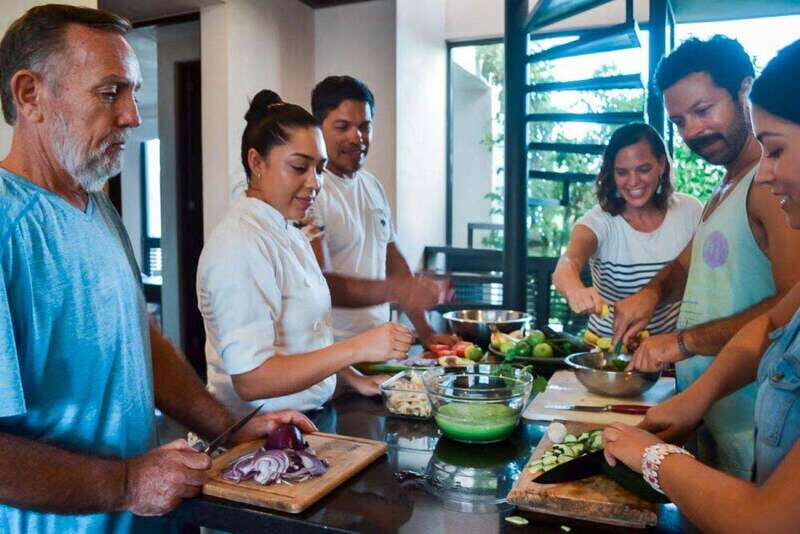
- DAC market tour with a real local setup, so you learn what to look for and why
- Hands-on cooking with traditional kitchen tools, not just watching
- A small group size (up to 8), which makes it easier to get guidance
- Classic Mexican dishes you can actually recreate later, including tortillas and guacamole
- Multiple salsas and chile learning, so your flavors feel intentional, not random
Playa del Carmen Mexican Cooking Class: What Makes This One Work
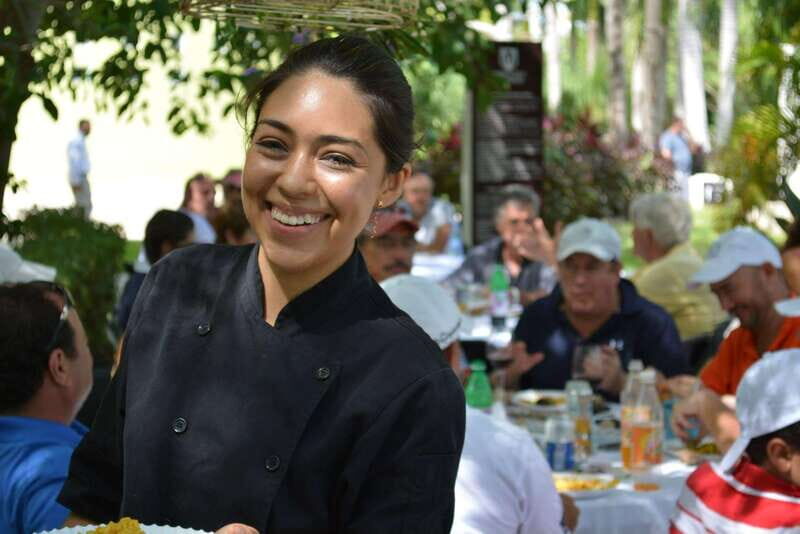
A good cooking class does two things. It teaches you technique, and it gives you a reason to care about the ingredients. This one nails both, starting with the market scene at DAC and continuing in the cooking space where you can see, smell, and handle what you just bought.
Chef Isa is the through-line here. You’re not just following recipes. You’re learning how Mexican cooking habits show up in real steps: choosing chiles, balancing salt and acidity, and understanding how tortillas connect everything. The menu may change slightly based on what you’re making that day, but the focus stays consistent—classic comfort food with practical methods you can repeat.
You’ll likely spend about three hours total, with a market portion first and the cooking portion afterward. And because the class is limited to eight people, you don’t get stuck waiting your turn. That’s the difference between a fun activity and a class that genuinely sticks with you.
Other Playa del Carmen tours we've reviewed in Playa Del Carmen

The DAC Market Tour: Where You Learn What Matters
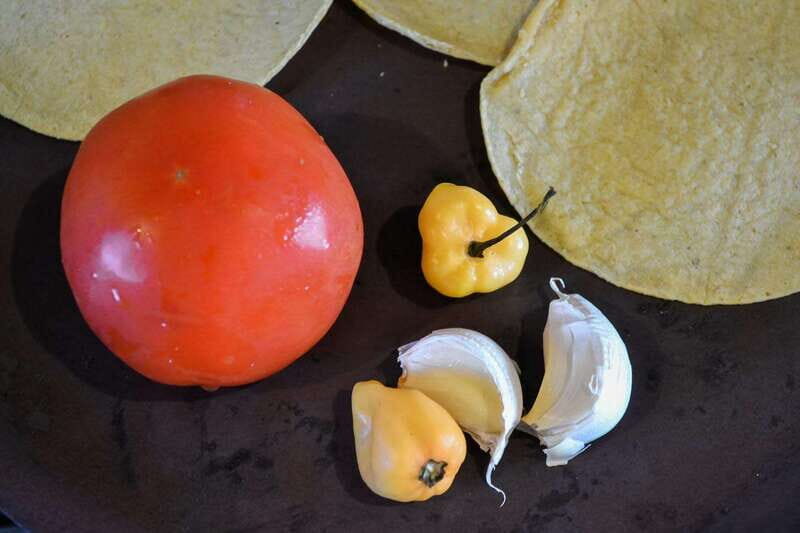
You’ll meet in front of DAC, a small local market in downtown Playa del Carmen, right on Avenue 30 between Constituyentes and Calle 22. Chef Isa meets you outside at 11am, and then the market portion begins.
This part is more than a scenic warm-up. The value is in the details. You get a guided look at the ingredients that create the flavor backbone of Mexican cooking—especially chiles and aromatics—and you learn what to pay attention to while you shop. One of the most praised bits from previous classes is the way Isa teaches about different chiles, so you understand heat and flavor rather than just guessing.
You’ll also get practice with the kind of buying decisions that matter later when you cook. If you know what a chile is contributing—smokiness, sweetness, biting heat—you can adjust the dish with confidence instead of hoping it turns out right.
Practical tips for the market stop
Wear comfortable shoes. The market walk is part of the experience, and you’ll want stability while you look at stalls and move with the group. Also, arrive a few minutes early so you’re not trying to decode where to stand while hungry.
If you do miss the exact meeting moment, Isa has used WhatsApp to get the group connected in at least one case. So if something goes sideways, reach out quickly rather than waiting around.
From Market to Isa’s Home Kitchen: The Setup You’ll Actually Enjoy
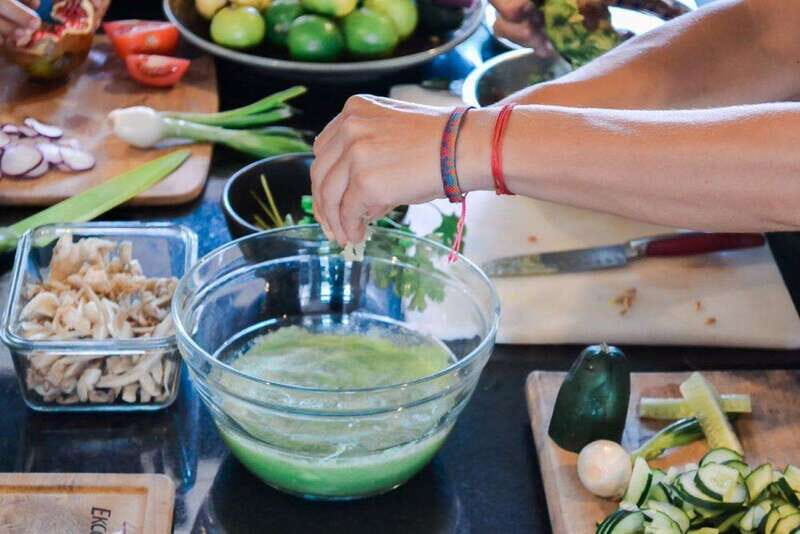
After the short market tour, you’ll head to Isa’s home kitchen for the cooking portion. That location change is important. This class is not set up like a restaurant demo with perfect sightlines. It’s closer to how you might cook at home, just with a chef coaching you step by step.
One common reason people rate this class so highly is the way it feels active and personal. You’re involved from the start—people are not just watching, they’re making. In past sessions, participants have shared how much fun it was to be hands-on with multiple dishes, including items like homemade tortillas and meat-forward plates such as fajita-style beef or birria-style tacos.
Why a home-kitchen format is valuable
A home kitchen often means you’ll see the real workflow: how ingredients get prepped, how tools are handled, and how timing works when multiple components need attention. You’ll also likely get more direct corrections. That helps you avoid the biggest cooking-class trap—leaving with instructions you can’t translate into your own kitchen.
Other cooking classes in Playa Del Carmen
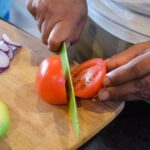
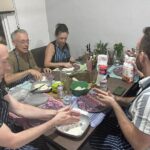

What You’ll Cook: Classic Mexican Dishes With Real Techniques
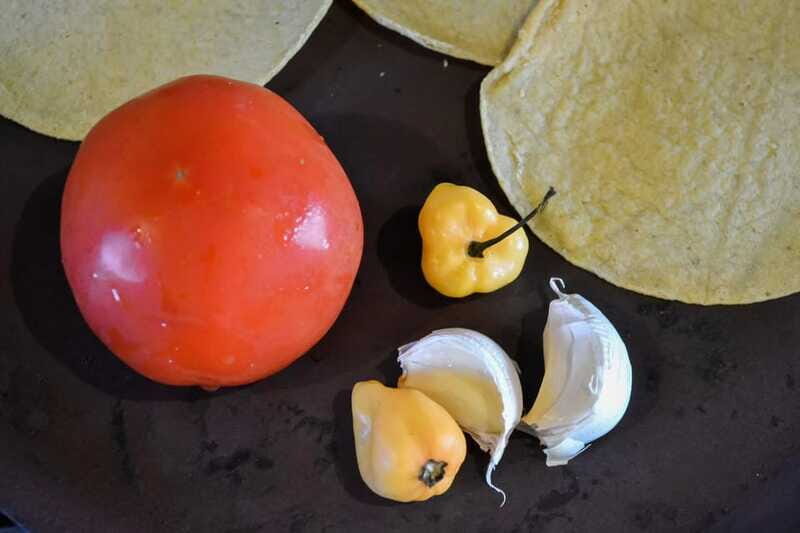
The class centers on classic Mexican dishes, and your exact menu can vary depending on the session. But the consistent theme is hands-on cooking of the flavorful building blocks of Mexican food—sauces, tortillas, and hearty main dishes.
From the information you’re given, you can expect classics such as guacamole and tortillas, plus other popular Mexican items. In one strongly positive session, people made guacamole and learned tortillas, then went on to additional dishes including ceviches and a green mole chicken (along with plenty of learning and tasting along the way).
In another standout session, the highlight was tacos birria with different salsas. That’s a big deal because birria-style cooking is about layers—spice, fat, and texture—while tacos are where you learn how to balance fillings with sauce.
So what you’re really buying is not a single recipe. You’re getting a toolbox:
- how tortilla-making changes the feel of a meal
- how salsas can shift heat and acidity
- how mole or chile-based flavors build depth
- how to assemble plates so everything works together
Traditional Tools and Hands-On Cooking: How You’ll Learn Faster
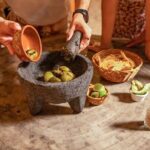
A major selling point is that you cook using traditional Mexican kitchen tools, not generic gadgets. You’ll likely feel the difference immediately. Traditional tools encourage the kind of technique Mexican cooking depends on—proper texture, better control, and more consistent results.
This is one reason participants consistently praise the experience as fun and engaging. When you’re doing the work—mixing, pressing, shaping, seasoning—you learn faster. You also understand what changes when you adjust ingredients. That kind of learning is hard to get from a cookbook or a video.
And since the group is small, you’re more likely to get individual help at the moment you need it. That’s how you avoid the “I did it once at the class, now I can’t again” problem.
Small Group Size (Up to 8): Why It Matters More Than You Think
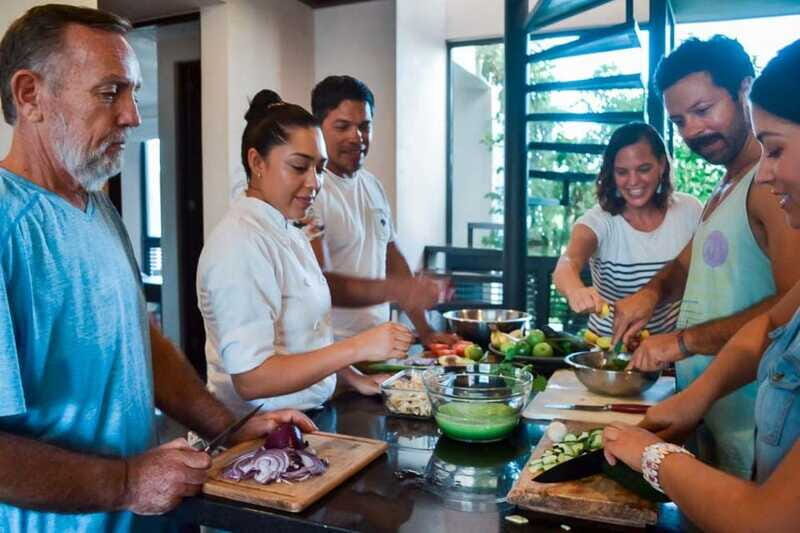
With a maximum of eight participants, you’ll spend less time waiting and more time cooking. In many classes with big groups, the chef becomes a performer—good for watching, not great for learning. Here, the smaller size supports a rhythm where everyone can participate.
It also makes the market walk less chaotic. You can hear instructions, see ingredients clearly, and ask the practical questions that pop up when you’re holding a chile or deciding whether something needs more salt.
If you enjoy interactive experiences—cooking, tasting, asking questions—this format is a strong fit. If you prefer a quiet, sit-and-watch style activity, this might feel too active.
Price and Value: Is $120 Worth It?
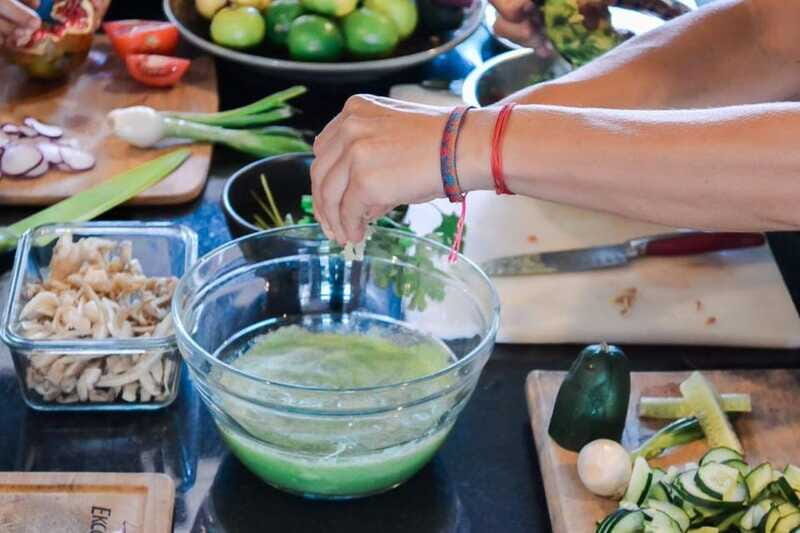
At $120 per person for about three hours, this isn’t a bargain deal. It’s also not an impulse buy if you’re tight on budget. So here’s the honest value math.
You’re paying for:
- a guided market tour at DAC
- hands-on instruction with traditional tools
- the cooking class itself
- small-group attention from Chef Isa
- practical skill-building around tortillas, guacamole, and other classic dishes
If you’ve ever tried to “learn cooking” by following a recipe at home, you already know the truth: technique matters, and mistakes cost time and food. In a good class, those mistakes happen in a controlled environment, corrected in real time. That makes $120 feel more reasonable, especially because you’re not just learning one dish—you’re learning methods that apply across several.
Also, the class is three hours. That’s enough time to do real prep and cooking without turning into a rushed sprint. In other words, you get enough kitchen time to feel like you did something, not just sampled everything.
Who This Cooking Class Suits Best
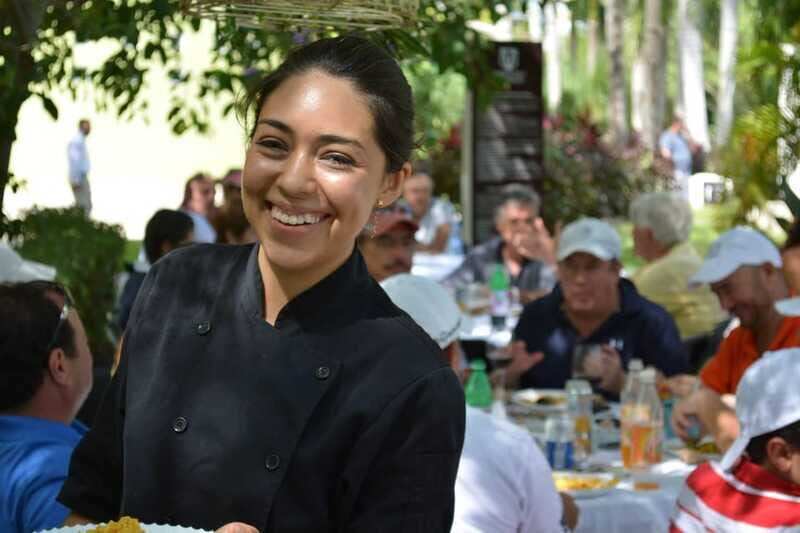
This is a great match if you want:
- a small-group activity with real interaction
- classic Mexican cooking skills you can repeat
- a market-to-kitchen experience that teaches ingredients, not just dishes
It’s also a nice choice for food lovers who like structure. You’ll have a plan, but there’s still room for questions and adjustments.
It may be less ideal if:
- you don’t want to walk around a market
- you need everything to happen in one fixed location
- you prefer highly formal, staged instruction
Allergies and Ingredient Changes: Plan Ahead
If you have food allergies, tell the organizers at booking. The class notes that suitable substitutions can be arranged when you inform them ahead of time. That’s exactly how you want this handled—early, clear, and practical—rather than discovering a mismatch after you’ve already cooked or tasted.
If you’re sensitive to specific ingredients common in Mexican cooking, you’ll be glad you made that call before the market stop.
The Best Way to Prepare (So You Enjoy It More)
Bring comfortable shoes, because you’ll do a market walk and then move into the kitchen area. Wear something you can cook in—sturdy top, nothing you’ll mind getting a bit of kitchen air on it.
Come hungry, but don’t overdo it. You’ll cook and taste through the experience, and the dishes are meant to be enjoyed while you learn.
And if you want to get the most from the chiles, salsas, and tortillas, show up ready to pay attention to texture and balance. You’ll taste your way into understanding faster than you might expect.
Should You Book Isa’s Authentic Mexican Cooking Class in Playa del Carmen?
I’d book it if you want a hands-on Playa del Carmen experience that teaches real cooking logic, not just how to plate a dish. The small group size, the market visit at DAC, and the move to Isa’s home kitchen create a setup where you actually participate.
It’s also a strong choice if you care about flavor building—chiles, salsas, tortillas, and classic sauces—because you’re learning methods you can carry home.
Skip it only if the idea of a market walk and a location change mid-class would annoy you, or if you want a passive activity.
In short: if you’d rather cook than just snack, this class is worth the price.
FAQ
Where is the class starting point?
Meet in front of DAC, a small local market on Avenue 30 between Constituyentes and Calle 22 in downtown Playa del Carmen.
What time does Chef Isa meet the group?
Chef Isa meets you outside at 11am for the start of class.
How long is the cooking class?
The experience lasts about 3 hours.
Is it a small group?
Yes. The class is limited to 8 participants.
Where is the cooking done after the market tour?
After the short market tour, the class is held at Isa’s home kitchen.
Can you accommodate food allergies?
If you have food allergies, let the team know at the time of booking so suitable substitutions can be arranged.