REVIEW · COZUMEL
Cozumel: General Entrance to Mayan Bee Sanctuary
Book on GetYourGuide →Operated by Tourlanders · Bookable on GetYourGuide
Honey, art, and stingless bees in 45 minutes. This quick stop is interesting because you get two stories at once: Mayan monolith artwork carved in limestone, and a real look at the Melipona bee colony (stingless bees) and how it’s organized. I especially like the hands-on feel of the honey tasting and the way the guide connects bee life to Mayan beliefs and symbols. One drawback: it’s short and site-based, so if you’re craving a long, multi-location nature adventure, this will feel too tight.
I also like that the tour keeps the group small (up to 10) and stays efficient with a certified English/Spanish guide. In past visits, guides like Russell and Roberto have made the cultural context clear and the bee details easy to follow, even when the tour moves quickly.
In This Review
- Key things to know before you go
- Honey, pollen, and propolis pearls: what makes this sanctuary tour work
- Walking the Mayan monolith path and spotting Ixchel and the Aluxes
- Inside the meliponary: how a stingless Melipona hive is organized
- The honey tasting and what you can actually buy after
- Timing, group size, and getting there from Cozumel
- What makes the guides matter: Russell, Roberto, and the human touch
- Who should book this 45-minute sanctuary stop (and who should skip it)
- Should you book the Cozumel Mayan Bee Sanctuary tour?
- FAQ
- How long is the Cozumel General Entrance to the Mayan Bee Sanctuary?
- How much does it cost?
- What group size is it?
- What is included in the ticket price?
- Where do I meet, and when should I arrive?
- Is pickup and drop-off included?
- What should I bring?
- Is the tour suitable for wheelchair users or limited mobility?
- Can I cancel for a refund?
Key things to know before you go
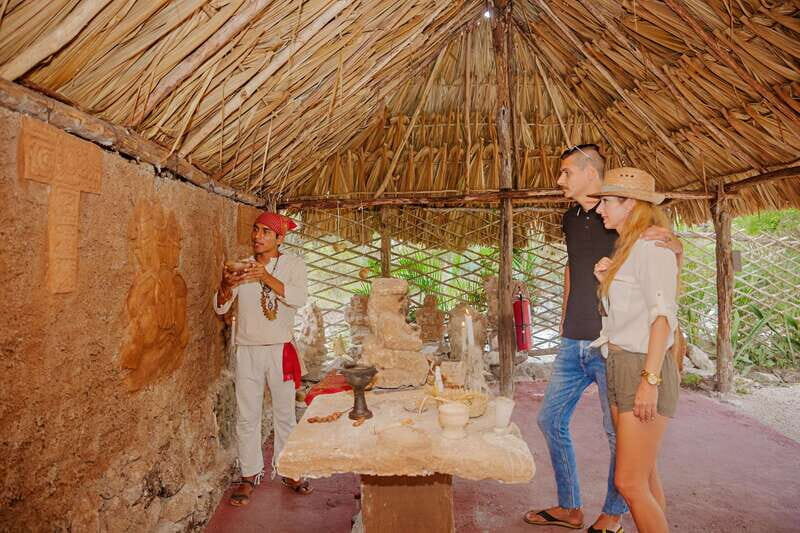
- Melipona focus: You’ll learn about stingless Melipona honey and how Mayans valued it for wellness.
- Monolith path with limestone sculptures: You’ll walk through Mayan-inspired symbols tied to Ixchel, Aluxes, and stelae.
- Hive roles explained: The tour breaks down queen, princesses, drones, workers, and guardian.
- Tasting isn’t just honey: Expect varieties plus pollen and propolis pearls.
- Product demos: You’ll see how honey-based goods connect to items like candies and skincare.
Honey, pollen, and propolis pearls: what makes this sanctuary tour work
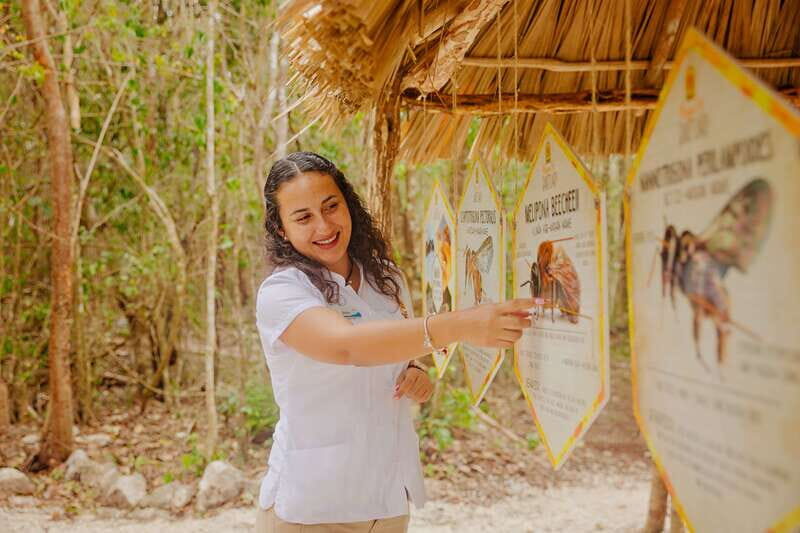
This is a compact tour that smartly stacks three experiences: culture, nature, and tasting. You’ll start with Mayan themes—symbolic, religious, and practical—and then shift into the bee area, where the guide explains what you’re seeing instead of treating bees like a sideshow.
The honey part is a big reason people love it. You’re not limited to a single flavor; you can sample different varieties and other bee products like pollen and propolis pearls. If you’ve only had honey as a sweetener back home, this is the moment you start seeing it as food with a role in traditional routines—nutritional and medicinal in the Mayan telling.
The other thing that makes it work is pace. At 45 minutes, it’s long enough to learn, taste, and ask questions, but short enough to fit into a day built around snorkeling or beach time.
Other Cozumel tours we've reviewed in Cozumel



Walking the Mayan monolith path and spotting Ixchel and the Aluxes
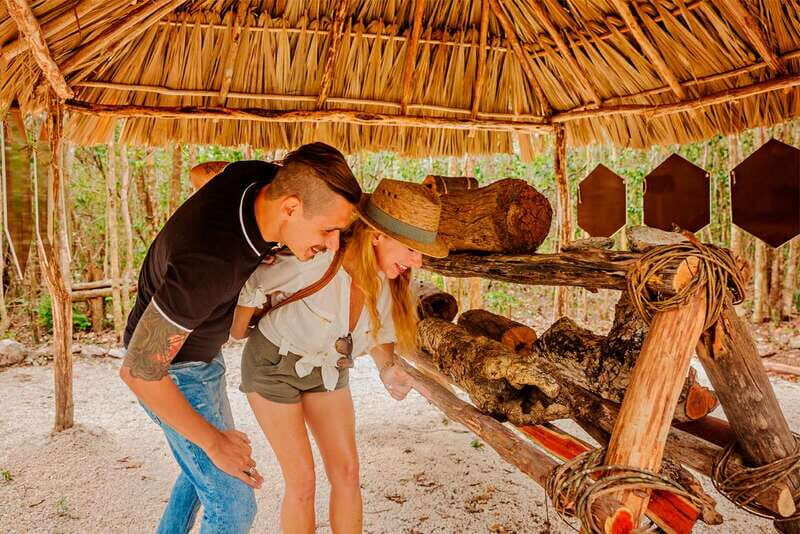
Before you reach the bee sections, you walk the monolith path and take in the limestone sculptures made by a local artist. This isn’t just decorative. The guide explains the symbolic meanings tied to Mayan religious ideas—especially figures and references you might recognize if you’ve read about Mayan mythology.
You’ll hear about the Goddess Ixchel, the Aluxes, and stelae. The value here is not memorizing names. It’s understanding how the Mayans used symbols to explain how the world works—nature, healing, and daily life all connected rather than separated into different boxes.
A practical note: the experience includes some walking on uneven gravel. If you’re in flip-flops, you’ll likely regret it. Comfortable shoes matter here more than at a smooth museum stop.
Inside the meliponary: how a stingless Melipona hive is organized
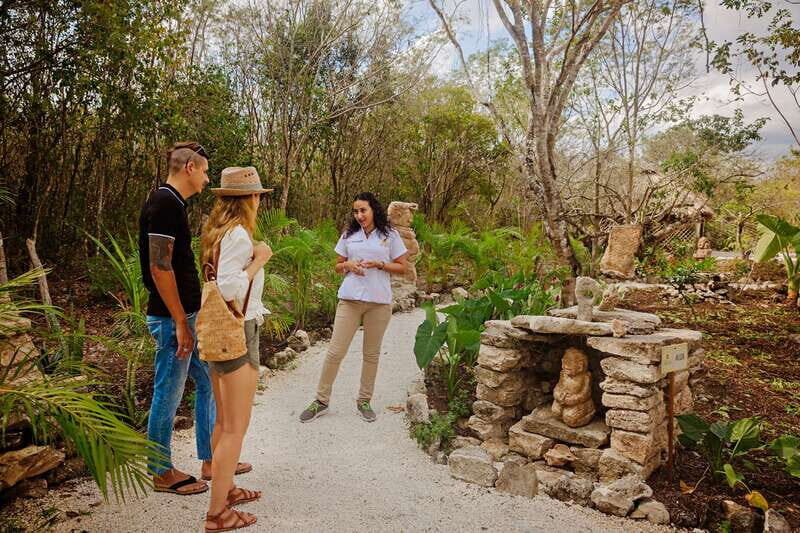
The main nature focus is the meliponary, where you learn about stingless Melipona bees and the structure of their hives. Stingless doesn’t mean “small” in importance—it’s a different bee lifestyle, and the guide uses that difference to explain how colonies function.
What you should expect is a clear breakdown of who does what in the colony:
- the queen bee as the core of reproduction
- princesses, with roles in colony continuity
- drones focused on mating
- workers handling the ongoing work of the colony
- a guardian, as part of the colony’s protective organization
If you like nature tours but hate when they turn into vague “aren’t they cute” talk, this is the opposite. The setup here helps you see the hive as a system. Once you understand the roles, the colony makes sense in a way that’s easier to remember than random facts.
This is also where the cultural connection comes in. You’ll hear how ancient Mayans valued honey for healing—restoring well-being and harmony of the heart—and how bee products fit into that worldview. Even if you’re not looking for spiritual meaning, it gives context for why this sanctuary exists and why the honey matters beyond taste.
The honey tasting and what you can actually buy after
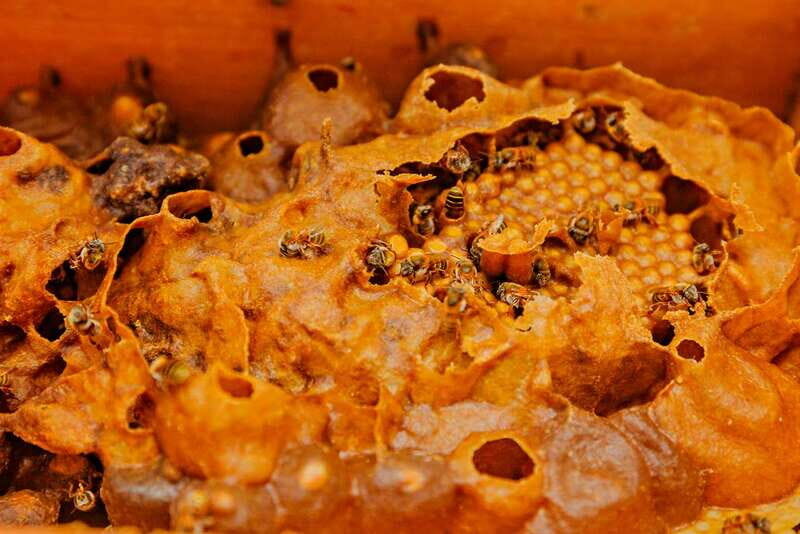
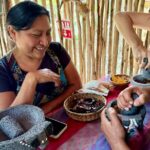
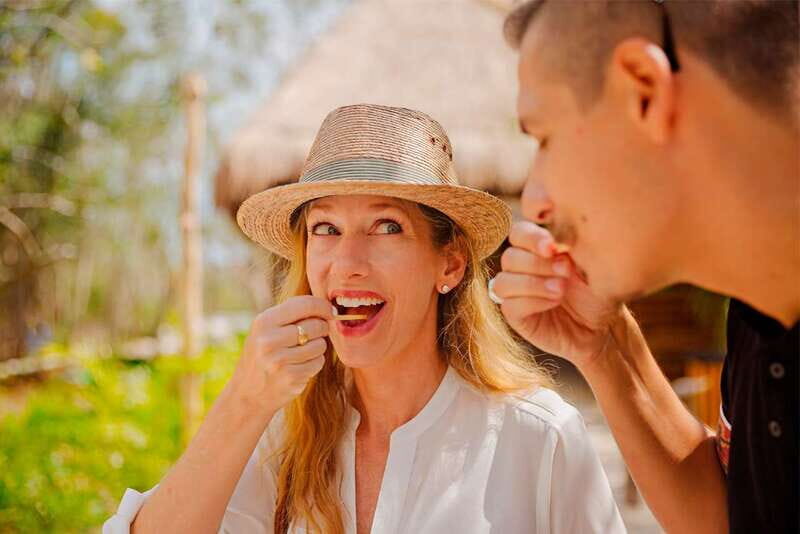
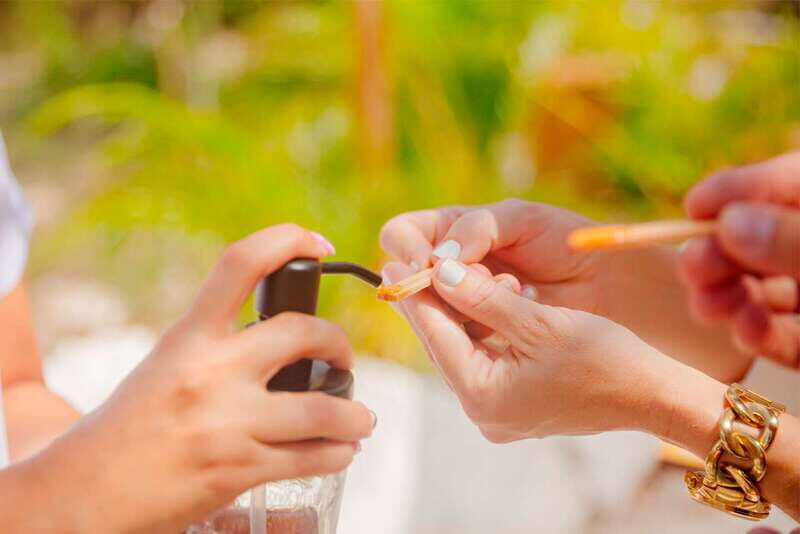
The tour ends with a honey tasting that’s designed to be fun, not formal. You sample different varieties of honey along with bee byproducts such as pollen and propolis pearls. If you’re curious about flavors, this is where you’ll likely notice differences right away, especially if you’ve mostly stuck to store-bought honey.
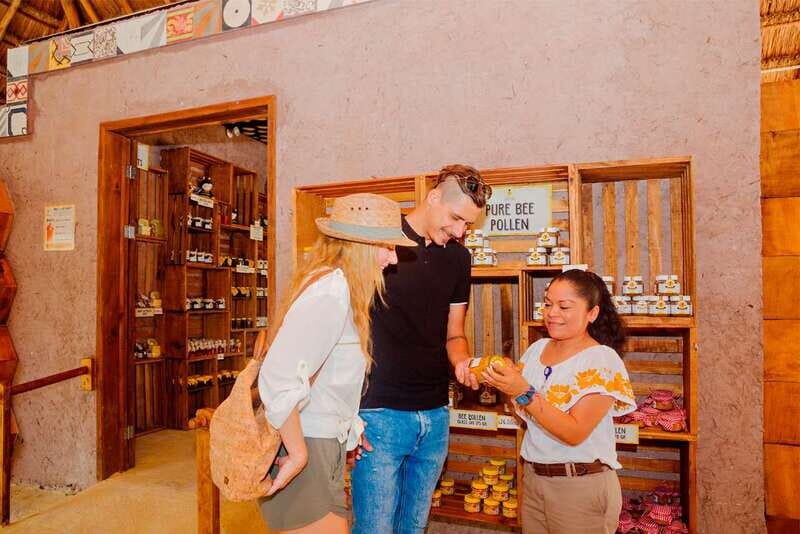
Then the guide explains how honey supports a range of products, including candies and items used for health and beauty like eye drops, soaps, shampoos, and creams. This part is quietly useful. It shows how beekeeping and bee products connect to livelihoods, not just souvenirs.
Buying products here can feel like supporting a conservation-minded operation, not just shopping for a trinket. And if you’re wondering how to spend your money on Cozumel beyond food and beach gear, this gives you a purchase that comes with a story.
One tasting-related consideration: honey and propolis can be strong for some people. If you know you don’t like herbal or medicinal flavors, try one sample first before committing to extras.
Timing, group size, and getting there from Cozumel
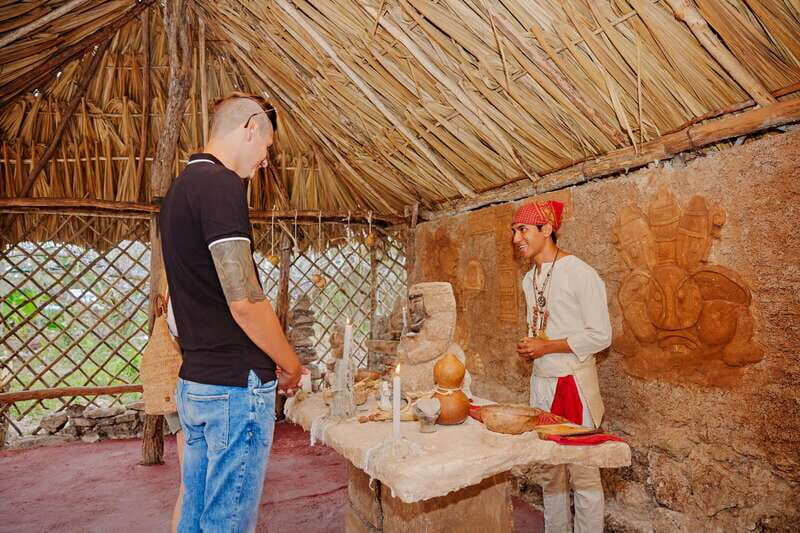
This tour runs about 45 minutes, and it’s a small-group experience with a limit of 10 participants. That size helps you get answers without feeling like you’re racing through the stops with a crowd.
Plan to arrive 15 minutes early and look for the Mayan Bee Sanctuary sign at the meeting point. The short duration means late arrivals can throw off the flow.
Two big logistics items:
1) No pickup or drop-off is included. You’ll need your own transport.
2) Some walking is on uneven gravel, and the site isn’t set up for wheelchair users or people with mobility impairments.
If you’re using a taxi, I’d handle your ride plan before you go in. One traveler learned the hard way that waiting can cost extra. The simplest fix is to arrange a return time with your driver or have a backup plan so you’re not stuck negotiating the end of your trip.
Other Mayan ruins tours we've reviewed in Cozumel




What makes the guides matter: Russell, Roberto, and the human touch
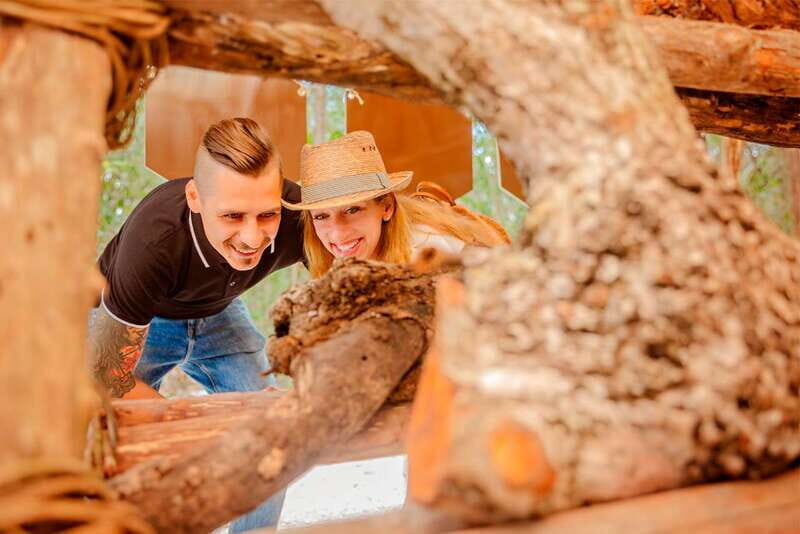
The best tours are usually about communication, and this one tends to deliver on that. In earlier visits, guides such as Russell and Roberto stood out for clear explanations of Mayan culture alongside the bee facts.
That blend matters. Bees alone can be cool, but the tour becomes more meaningful when you understand why the honey connects to Mayan practices. The guide’s job is to link the two worlds—symbolic culture and living ecology—so you leave with more than a photo and a flavor sample.
There’s also often a brief ceremony moment that can feel surprisingly moving in a short tour format. It’s quick, but it changes the tone from sightseeing to something more reflective.
Who should book this 45-minute sanctuary stop (and who should skip it)
This tour is a great fit if:
- you want a calm break from beach-and-snorkel autopilot
- you like learning on your feet rather than sitting in a classroom
- you’re interested in how stingless Melipona bees work, not just that they exist
- you want something family-friendly that won’t drag (the tour runs short enough for kids with shorter attention spans)
You might skip it if:
- you need wheelchair-friendly access (it’s not suitable)
- you hate uneven gravel walking
- you’re looking for a full half-day excursion with multiple changing viewpoints
- you’re not interested in honey tasting or bee products
If you’re the type who likes authentic experiences tied to local life, this hits the mark. It’s also good value: $13 per person for a guided visit with honey tasting and the monolith exhibition gives you more than you’d usually get for the time.
Should you book the Cozumel Mayan Bee Sanctuary tour?
Book it if you want a compact, meaningful stop that mixes Mayan symbolism with stingless bee biology—and you’re happy to end with a real tasting of honey and related products. The small group size and bilingual guide make it easy to ask questions without feeling rushed.
Don’t book it if you need long, scenic nature time or if mobility/access is an issue. And do book it with transport planning in mind, since you’ll want a smooth ride back after the tour.
If your day in Cozumel is already packed, this is the kind of ticket that adds culture and nature without eating your whole itinerary.
FAQ
How long is the Cozumel General Entrance to the Mayan Bee Sanctuary?
The tour lasts about 45 minutes.
How much does it cost?
The price is listed as $13 per person.
What group size is it?
It’s a small group limited to 10 participants.
What is included in the ticket price?
You get the entrance fee, a certified English and Spanish-speaking guide, honey tasting, the Mayan Monoliths Exhibition, and the meliponary.
Where do I meet, and when should I arrive?
Arrive 15 minutes before the activity starts and look for the Mayan Bee Sanctuary sign.
Is pickup and drop-off included?
No. Pickup and drop-off are not included.
What should I bring?
Bring comfortable shoes, sunglasses, biodegradable sunscreen, comfortable clothes, insect repellent, and cash.
Is the tour suitable for wheelchair users or limited mobility?
No. It is not suitable for people with mobility impairments and wheelchair users.
Can I cancel for a refund?
Yes. You can cancel up to 24 hours in advance for a full refund.