REVIEW · PLAYA DEL CARMEN
PDC Traditional Mexican Cooking Experience
Book on GetYourGuide →Operated by PDC Panchito · Bookable on GetYourGuide
Food, stories, and real hands-on cooking.
That’s what the PDC Traditional Mexican Cooking Experience delivers in Playa del Carmen. I like how hands-on it is (not a demo), and I like the way your host links recipes to everyday culture and living history. Plus, the small-group format with Panchito (Francisco) and team helps you actually ask questions. One thing to consider: since there are no home venues and you cook in a rented restaurant kitchen, it’s more structured than a free-form market walk.
The core idea is simple: traditional Mexican food isn’t just ingredients. It’s a way of showing love, and the class keeps that message front and center. You’ll hear real food stories tied to regional identity, and you’ll taste the logic behind corn, chiles, and sauces instead of memorizing steps. The one possible drawback for some people is that the ingredient groundwork is already done for you, so this isn’t a full farmer-market hunting mission.
In This Review
- Key things that make this class worth your time
- UNESCO-style Mexican cooking in Playa del Carmen
- Meeting point and how the class flows on the ground
- The 3.5-hour itinerary: starters, main dishes, and side plates
- 1) Welcome + Mexican cuisine intro (the why behind the recipes)
- 2) Aguas frescas and antojitos Mexicanos
- 3) Main course: choose your traditional dish (and yes, it varies)
- 4) Side dishes that actually help the meal make sense
- 5) Take-home food, because 3.5 hours is productive
- Cooking in a real kitchen: what you’ll notice right away
- Who this class is best for (and who might want something else)
- Value check: is $116 worth it?
- The standout ingredients: corn, chiles, and the logic of mole
- Should you book the PDC Traditional Mexican Cooking Experience?
- FAQ
- Where is the meeting point?
- How long is the cooking experience?
- What does the price include?
- What dishes will I cook?
- Is this class in a home kitchen?
- How big is the group?
- What is the cancellation policy?
Key things that make this class worth your time
- UNESCO Intangible Heritage framing with practical kitchen takeaways, not just talk
- Small group size (up to 8) so your host can correct and coach
- You cook multiple dishes, including starters and a main course, with side dishes
- Aguas frescas + antojitos start the session before you hit the bigger plates
- Take-home portions since the cooking quantity is meant for real meals later
UNESCO-style Mexican cooking in Playa del Carmen
Playa del Carmen is a convenient base for exploring Quintana Roo, but it can also steer you toward tourist-safe food. This cooking class goes a different route. It’s built around the idea that Traditional Mexican Cuisine is UNESCO Intangible Heritage, passed down through the way people cook, share, and live—not as a frozen museum display.
In plain terms, you’re not just learning how to cook one dish. You’re learning how Mexican cooks think: corn first, chiles for heat and depth, and sauces that take patience and care. That’s why the class starts with context and food stories, then moves into cooking right away.
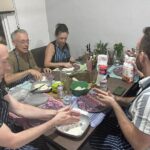
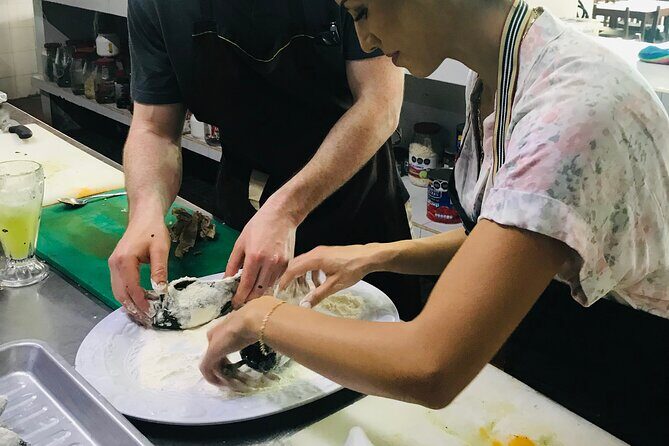
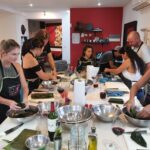
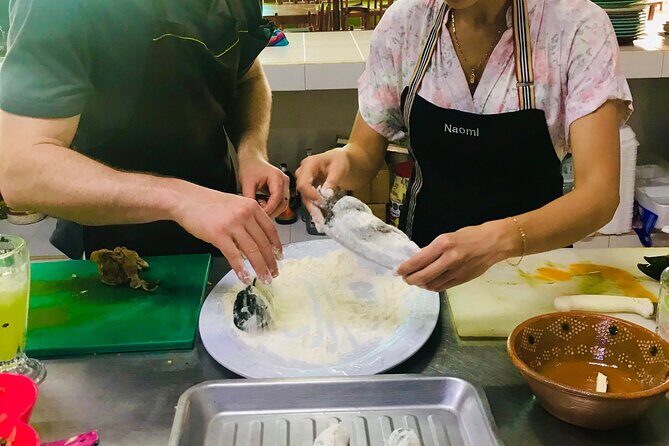
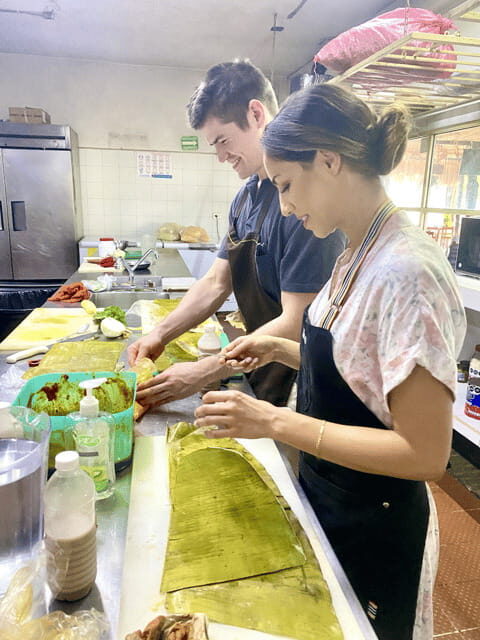
And you feel the “real kitchen” setup. One review summed it up as spacious and well equipped, and that matters because you’ll be working, not standing around. With only a handful of participants, you’re more likely to be hands-on during prep and shaping, not stuck watching someone else do everything.
Other cooking classes in Playa Del Carmen
Meeting point and how the class flows on the ground
You meet at Town Hall Plaza in downtown Playa del Carmen: 20th Avenue between 8th and 10th streets. After the welcome and intro, you walk about 5–10 minutes to the restaurant venue where the cooking happens.
That short walk is a practical detail worth noting. You’ll be changing from “street arrival mode” to “kitchen work mode” quickly. Wear comfortable clothes you don’t mind getting a little warm (and possibly a little food-scented). This isn’t fancy-linen table service; it’s cooking-class energy.
The 3.5-hour itinerary: starters, main dishes, and side plates
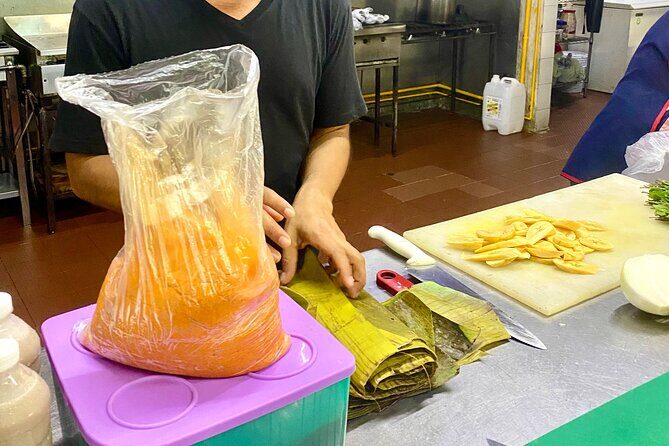
The session lasts about 3.5 hours, and the pacing is designed so you don’t lose time shopping. The class has already handled the initial ingredient prep, so you jump into cooking instead of spending the morning searching for things that aren’t readily available in the immediate area.
Here’s the structure you can expect.
1) Welcome + Mexican cuisine intro (the why behind the recipes)
You begin with an introduction to Mexican cuisine and how regional identities show up in flavors. Mexico’s food changes by place. Even when the ingredients feel familiar, the methods, the chiles, and the balance of heat, sweetness, and depth shift.
This is where Panchito (Francisco) and the team add the human side. In reviews, the hosts were described as knowledgeable about Mexican food history and the local area around Playa del Carmen. You’re also likely to hear the family-style message behind the class: cooking as love—making sure the people you care about eat well.
2) Aguas frescas and antojitos Mexicanos
Next up: refreshments and starters.
You’ll make Aguas Frescas, which are lightly sweet drinks built around fruit and other flavorings. It’s a nice warm-up because it teaches you how Mexican flavor often starts with balance, not just sweetness.
Then you move into antojitos Mexicanos. Antojitos are starter-style foods with roots in pre-Hispanic influences. The class describes them as fusion-flavored starters, which is a useful way to think about it: you get traditional foundations, but the presentations and combinations can reflect local evolution.
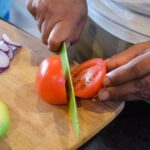
In the kitchen, this is where you typically do the kind of real work that makes cooking classes worth it—mixing, portioning, and shaping—rather than just watching someone else plate.


3) Main course: choose your traditional dish (and yes, it varies)
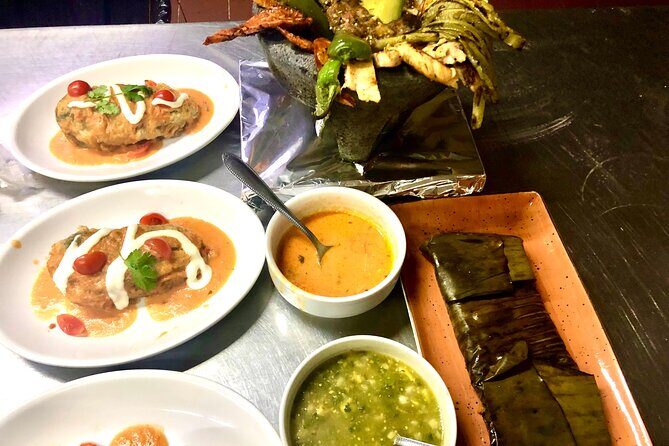
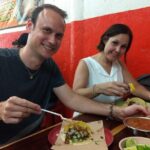
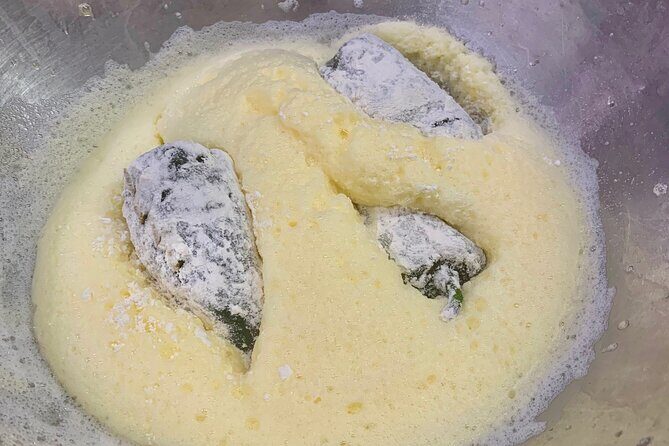
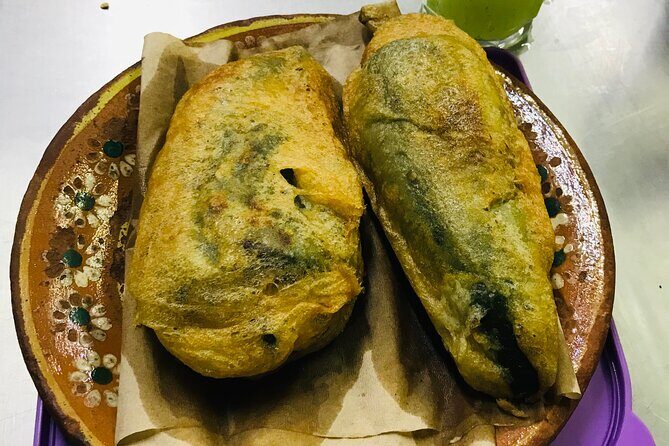
The biggest meal is a traditional Mexican dish that changes from time to time, and the class gives examples like chiles rellenos, pipián, mole, and more.
That flexibility is good for you. It means the class isn’t locked to one recipe no matter what day it is. If you’re traveling with a group and can only book certain times, you still get something that feels fresh rather than repeat-only.
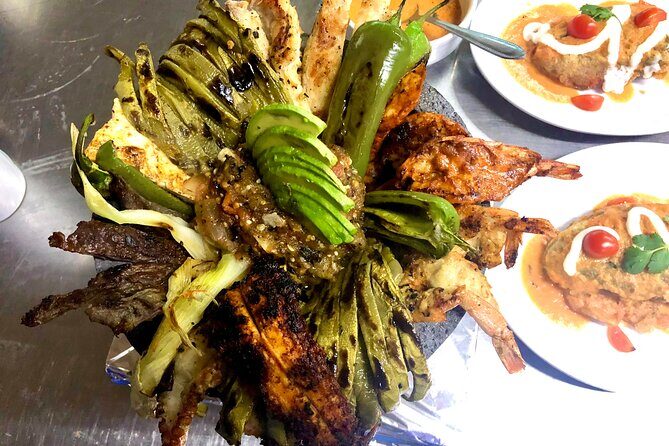
If you’re a seafood lover, you may prepare a special molcajete-style dish described as Cielo, Mar y Tierra. One review mentions a version built in a volcanic rock mortar, with octopus, shrimp, flank steak, and chicken, and then filled further with grilled vegetables—then topped with guacamole. In that same review, there was also a fire show done in the traditional mortar setup.
If you want a seafood upgrade, there’s an optional surcharge for red snapper or lobster, depending on your choice. That’s a practical note: ask what’s included for your specific session before deciding on add-ons.
4) Side dishes that actually help the meal make sense
You don’t just cook the main dish. The class includes side dishes designed to go with what you’re making. This matters because Mexican meals often rely on the whole plate working together—corn-based elements, chiles, and complementary sides that keep the meal from tasting flat or repetitive.
In reviews, people also mention making tamales and tasting multiple preparations in one class, which lines up with this “more than one dish” approach.
5) Take-home food, because 3.5 hours is productive
One of the best practical surprises is how much food you end up with. Reviews mention packing generous portions to enjoy later, and at least one person noted enough for two meals.
So yes, you should plan to eat a little less beforehand. And plan to bring your appetite—plus a little container strategy in case your class pack-up includes a lot. (The class provides the chance to take your cooked dishes with you if you can’t finish.)
Cooking in a real kitchen: what you’ll notice right away
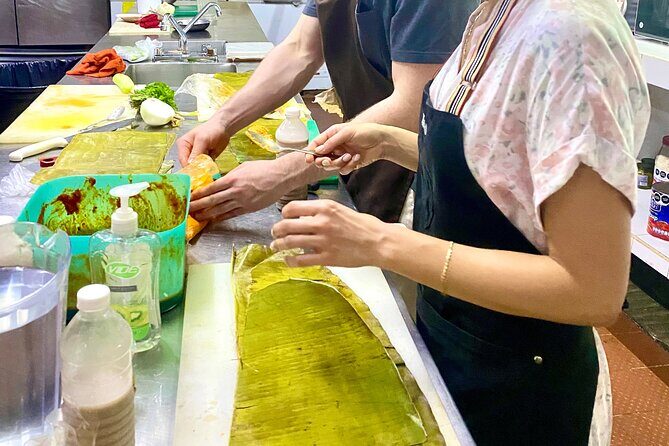
This experience is held in an ample conventional rented restaurant kitchen. That sounds “less magical” than a home cook’s kitchen, but it’s often a good thing.
You’ll likely find:
- Enough space to work without bumping into elbows every two minutes
- Tools and materials provided so you’re not waiting on equipment
- A setup designed for safety and quality service, rather than improvisation
Also, because it’s organized and staffed, you don’t have to worry about being left behind. Reviews highlight that support cooks and friendly restaurant staff were part of the experience, and that helps keep the rhythm steady.
Who this class is best for (and who might want something else)
This is a strong fit if you:
- Want to learn traditional Mexican dishes and understand the why behind them
- Like conversation while cooking, not just a silent cooking grind
- Prefer small groups where your host can answer questions
- Want a meal you can recreate later without becoming a full-time ingredient hunter
If you’re the type who dreams of market wandering and bargaining before cooking, you might feel slightly more satisfied by a market-focused experience. Here, ingredients are already prepped so you can start cooking immediately.
Value check: is $116 worth it?
For $116 per person over about 3.5 hours, the value comes from three big buckets:
1) You cook a lot. This isn’t a “one recipe, then goodbye” class. You generally make multiple components: drinks, starters like antojitos, and a main dish (with sides). Reviews praise the quantity and the fact that it can cover later meals.
2) You get coaching, not just ingredients. The host and chefs guide your technique and timing. People specifically praised Francisco (Panchito) and the welcoming team, and that kind of coaching is what separates a cooking class from a cooking worksheet.
3) You leave with food. Take-home portions turn the class into something you can actually enjoy later, not just an afternoon activity.
Put it together and the price feels more like paying for a full meal experience plus instruction. If you love Mexican food and want a hands-on lesson you can repeat at home, this is a good way to spend your time in Playa del Carmen.
The standout ingredients: corn, chiles, and the logic of mole
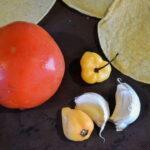
Even if the exact dish changes, the class keeps a clear through-line. Traditional Mexican cuisine, as taught here, relies heavily on corn and different types of chili peppers.
That might sound like cookbook trivia, but it becomes real when you cook. Corn-based foundations and chile sauces aren’t just flavors; they’re structure. They affect texture, color, aroma, and how the meal stays balanced from first bite to last.
So if your goal is to become more confident cooking Mexican food at home, pay attention to:
- How chiles are used for depth, not only heat
- How sauces hold together with proper technique
- How the meal components support each other
That’s the stuff you can reuse.
Should you book the PDC Traditional Mexican Cooking Experience?
Yes, if you want a high-touch Mexican cooking class in Playa del Carmen where you actually make a full set of dishes, hear food stories from the people running the kitchen, and leave with take-home portions.
Skip it only if you’re mainly looking for a market-chasing, wandering-and-bargaining experience. This class chooses speed and kitchen time instead, so you cook right away.
If you can book, do it with this expectation: you’re paying for a guided cooking session with real dishes, real stories, and enough food to feel like you really ate well during your vacation.
FAQ
Where is the meeting point?
Meet at Town Hall Plaza in downtown Playa del Carmen on 20th Avenue between 8th and 10th streets. From there, you walk 5–10 minutes to the restaurant kitchen where the cooking happens.
How long is the cooking experience?
The experience lasts about 3.5 hours.
What does the price include?
The price includes all cooking ingredients, cooking tools and materials, refreshments and beverages, and guidance from the cooking host, chef, and support cooks. You also have the option to take your cooked dishes with you.
What dishes will I cook?
The starters include aguas frescas and antojitos Mexicanos. The main dish varies by time and can include options such as chiles rellenos, pipián, or mole. Seafood-focused sessions can include a molcajete-style dish, with optional surcharges for red snapper or lobster depending on your choice.
Is this class in a home kitchen?
No. There is no home venue. Everything takes place in an ample conventional rented restaurant kitchen.
How big is the group?
It’s a small group limited to 8 participants.
What is the cancellation policy?
Free cancellation is available up to 24 hours in advance for a full refund. You can also reserve now and pay later.