REVIEW · PLAYA DEL CARMEN
PDC Traditional Mexican Cooking Experience
Book on Viator →Operated by PDC Panchitoo.com · Bookable on Viator
That smell of corn and chiles.
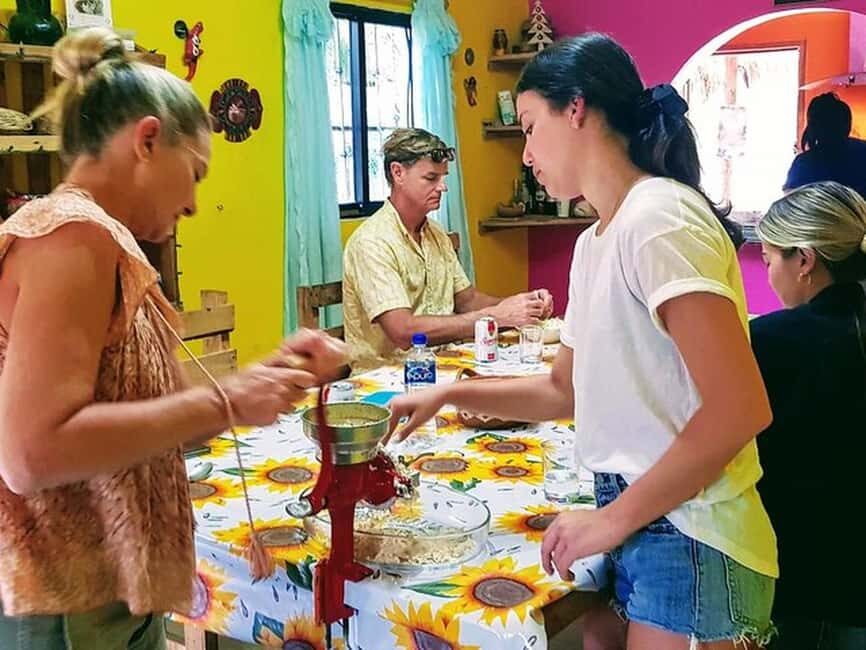
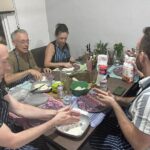
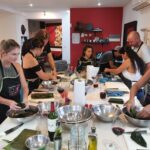
This 3.5-hour traditional Mexican cooking experience in Playa del Carmen feels more like learning at a friend’s house than following a recipe. You start with a clear introduction to how Mexican cuisine connects to region, then you move straight into cooking Aguas Frescas and Antojitos Mexicanos with a mix of pre-Hispanic and Spanish influences. The host, Francisco, keeps the pace fun and focused, and his assistants (including Liliana and Francisco #2) help you stay on track so nothing turns into chaos in the kitchen.
I love two things most. First, you’re not stuck making just salsa and basics; you actually work on a traditional main dish that can include chile rellenos, pipian, or mole, plus seafood options in a molcajete. Second, you leave with the confidence to recreate flavors at home, because Francisco explains what you’re doing and why. One thing to consider: the main dish and exact menu can vary by time and choices, so if you have a very specific dish in mind, you’ll want to ask what’s on the day you book.
In This Review
- Key things to know before you go
- Playa del Carmen’s Traditional Cooking Class: What You’re Really Signing Up For
- Where the Learning Starts: Aguas Frescas and Antojitos Basics
- The Main Event: What You Might Cook (Chile Rellenos, Pipian, Mole, and Molcajete)
- Why the molcajete choice is smart
- Seafood upgrades you should know about
- Side dishes: the part that makes the meal complete
- Traditional Flavor Logic: Corn, Chilies, and Regional Identity
- How the Kitchen Works: Small Group Help Without Slowing You Down
- The Meal Moment: Eating What You Cook, Drinks, and Leftovers
- Value for Your Time: Why This Feels Worth It (Even If You’re Not a Master Cook)
- Who This Cooking Experience Fits Best
- Should You Book This Traditional Mexican Cooking Class?
- FAQ
- How long is the PDC Traditional Mexican Cooking Experience?
- Where do I meet for the cooking class?
- What time does the tour start?
- Is the class offered in English?
- How big is the group?
- What’s included in the price?
- Are there seafood options available?
- End of review
Key things to know before you go
- Small group size (max 12) makes it easier to get hands-on attention and ask questions
- Restaurant-kitchen style setup means real prep, real cooking, and less guessing
- Aguas frescas + antojitos first gives you quick wins before the main course
- Traditional mains with regional flavor logic focus on corn and different chile styles
- Seafood upgrades may be available like red snapper or lobster for an extra surcharge
- You eat what you cook, and they can pack leftovers
Playa del Carmen’s Traditional Cooking Class: What You’re Really Signing Up For
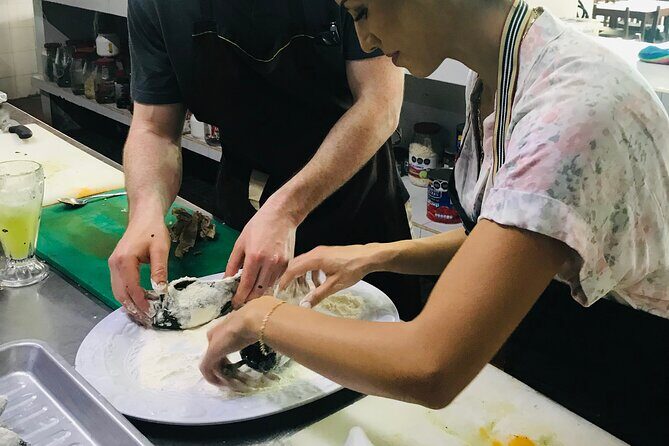
This is a half-day cooking class designed to teach more than technique. Yes, you’ll learn how to chop, season, and assemble. But the bigger goal is understanding why Mexican food tastes the way it does—especially how corn and chilies shape regional identity.
You meet at Town Hall Plaza, Calle 8 Nte, Gonzalo Guerrero, 77710 Playa del Carmen, starting at 9:00am, and you end back at the same spot. The timing is good if you want a useful morning activity before the beach, cenotes, or a late lunch. The experience runs about 3 hours 30 minutes, so you’re not stuck all day, and it’s long enough to get real cooking practice.
The small group size matters here. With a maximum of 12 travelers, Francisco and the assistants can correct your technique and help you avoid common problems like sauce that’s too thick, chilies that don’t soften right, or a filling that breaks during assembly.
Other cooking classes in Playa del Carmen
Where the Learning Starts: Aguas Frescas and Antojitos Basics
The session begins with an intro to Mexican cuisine—how regional cultures shape flavors, ingredients, and even the way dishes are built. It’s not theory for its own sake. It sets up what you’re about to cook and why you’ll recognize similar ingredients across very different dishes.
Then you jump into Aguas Frescas. These are refreshing drinks that fit the morning pace and keep the group comfortable while you cook. Even better, the helpers stay active and on top of hydration, including drinks like a minted fruit drink that showed up as part of the refreshment flow.
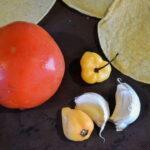
Next come Antojitos Mexicanos—described as fusion-flavored food with pre-Hispanic and Spanish influences. That’s a key point. Antojitos are a reminder that Mexican cuisine is not one single style. It’s layers—corn-based foundations, Spanish-introduced ingredients and methods, and local choices that make each region taste distinct.
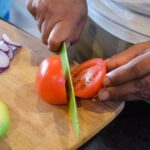
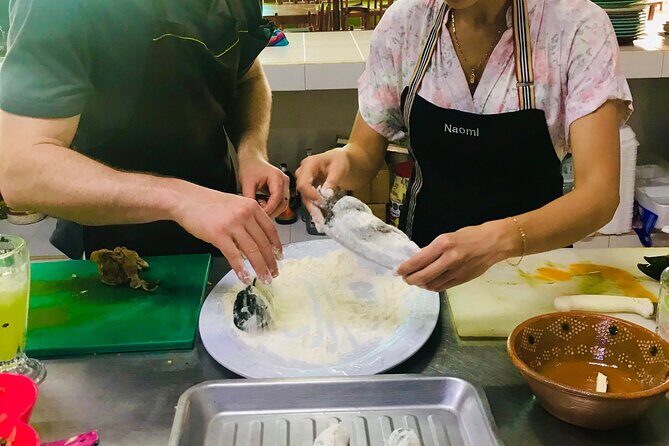
You’ll be working during this part of the class, not just watching. That means you get familiar with basic skills early—texture, seasoning, and balancing flavors—before the heavier main course cooking.
The Main Event: What You Might Cook (Chile Rellenos, Pipian, Mole, and Molcajete)
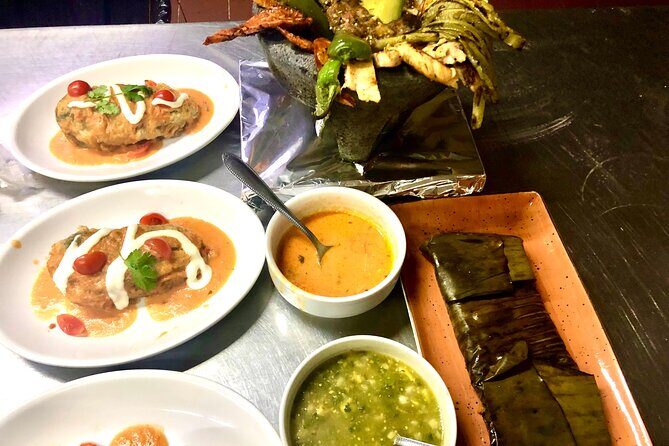
The main course is where this experience feels most like real Mexican home cooking. The exact dish can vary, but you’ll usually cook three traditional dishes that might include:
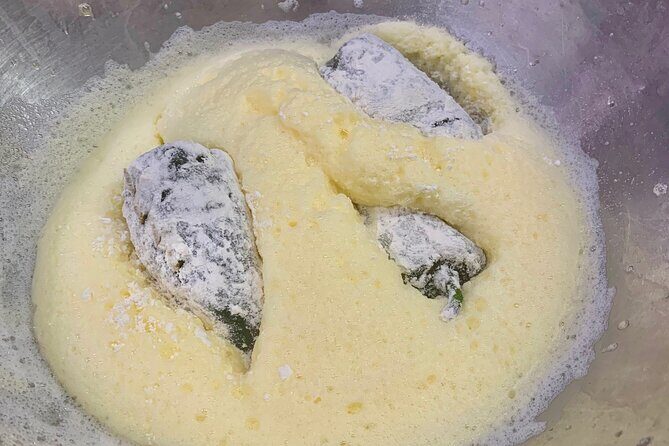
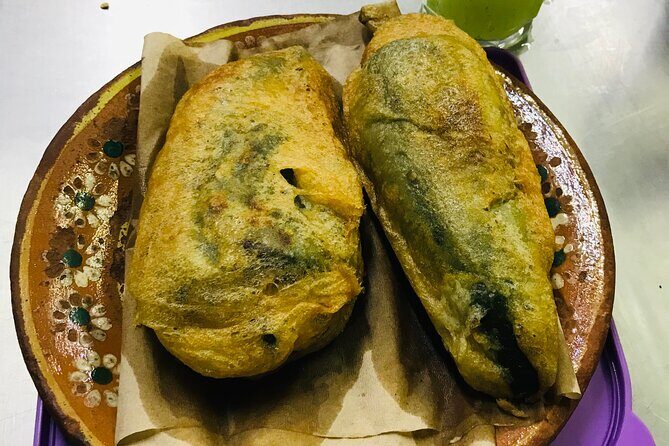
- Chiles Rellenos
- Pipian
- Mole (as a mole paste approach)
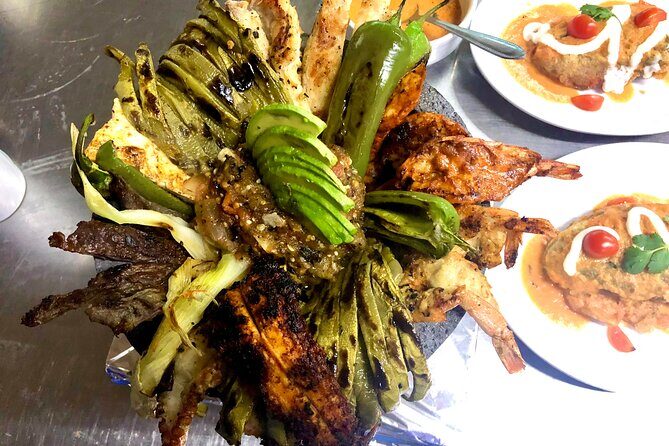
For seafood lovers, there’s often a showpiece option: Cielo, Mar y Tierra Molcajete, made using a molcajete (volcanic rock mortar). You might see this assembled with ingredients like octopus, shrimp, flank steak, and chicken depending on the day and the menu flow.
Why the molcajete choice is smart
A molcajete isn’t just a fun prop. Grinding spices and building sauces in volcanic rock helps you get a different texture and aroma than you would with a blender. Even if you’ve cooked before, this gives you a practical understanding of how Mexican cooks develop flavor depth.
Seafood upgrades you should know about
There’s mention of an optional surcharge for red snapper or lobster based on your choice. If seafood is your priority, this is the kind of add-on worth considering—because it can change what you take home as your signature dish.


Side dishes: the part that makes the meal complete
You’ll also prepare side dishes to go with your main course. These aren’t always the star in cook-along videos, but in real Mexican meals they’re where the balance happens—think about what cools, what brightens, and what rounds out the main’s heat and richness.
Traditional Flavor Logic: Corn, Chilies, and Regional Identity
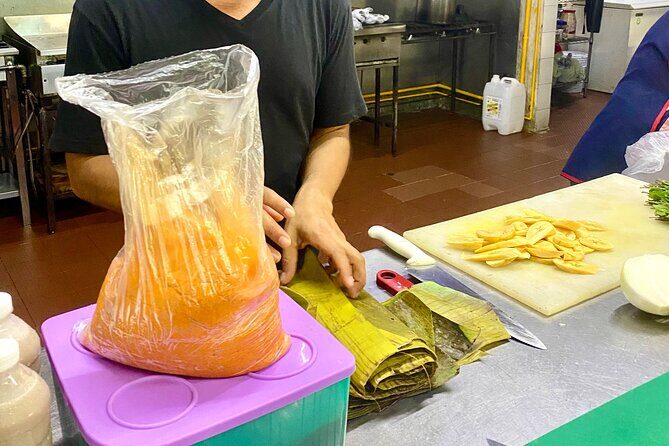
One of the most useful parts of this class is the way Francisco connects cooking to identity. Mexican cuisine isn’t treated like a single checklist of dishes. Instead, it’s explained as regional flavor patterns—scents, chili types, and the way corn shows up across preparations.
In practical terms, this means you don’t just learn how to assemble a dish. You learn how to recognize what makes it Mexican and what makes it different. If you’ve ever cooked something that tasted close but not quite right, this is the kind of lesson that helps you fix that gap.
You’ll hear the idea behind Mi casa es tu casa—the hospitality theme—and it shows up in the teaching style. Francisco explains as you work, and the helpers keep you moving through each dish so the group stays comfortable and productive.
How the Kitchen Works: Small Group Help Without Slowing You Down
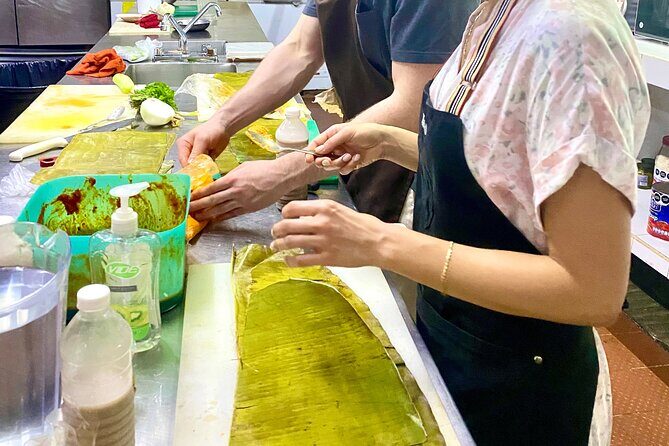
This isn’t a passive tasting tour. You’re actively cooking, and you’ll feel that the setup is designed to keep the class moving.
Francisco leads the flow and gives explanations in an approachable way, while the assistants (including Liliana and Francisco #2) support tasks like prepping components, staying ahead of the next station, and keeping surfaces tidy. It’s a big deal for you as the cook-in-training. When someone is watching your timing and ingredients, you don’t end up stressed, and you learn faster.
The hands-on structure also makes a difference if you’re traveling solo or with friends. The pace supports questions, so you can ask why a chili needs more time or how to tell when a sauce has reached the right thickness.
The Meal Moment: Eating What You Cook, Drinks, and Leftovers
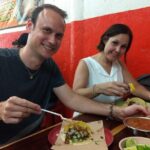
The best part of any cooking class is eating the results. Here, you finish by tasting the meal with the team. That last step matters, because it helps you connect flavor to action. You can look at what you built and understand what changed in the pan or in the sauce.
There’s also a mention that your meal could be accompanied by flavored Mexican wine of a selected winery or another drink of your choice. Even if you skip wine, you’ll likely already be in a good rhythm from the aguas frescas you made earlier.
And here’s a practical bonus: if you have leftovers, they can pack them for you. That’s handy for taking part of your lunch back to your hotel or sharing later, without turning the day into a food-safety puzzle.
Value for Your Time: Why This Feels Worth It (Even If You’re Not a Master Cook)
Price isn’t listed here, so I can’t tell you if it’s cheaper than another class. But I can tell you the value you’re getting for the 3 hours 30 minutes.
You’re paying for:
- All ingredients and equipment, so you don’t waste time shopping
- Hands-on instruction tied to real dishes, not just quick demos
- A small group cap that makes it easier to get attention
- A meal that includes multiple dishes and sides
- Optional seafood upgrades if you want to level up
This is the kind of class that works even if you cook at home only occasionally. If you can follow directions, chop carefully, and taste as you go, you’ll get something out of it. And if you already cook, you’ll still appreciate the emphasis on chili styles, corn-based foundations, and traditional preparations like mole and pipian.
Who This Cooking Experience Fits Best
This cooking class is a strong match for you if:
- You want a hands-on morning plan in Playa del Carmen
- You care about authentic techniques, including traditional dishes
- You enjoy learning the “why” behind flavors, not just copying steps
- You want a small-group experience with a friendly team and helpers
It may be less ideal if you’re looking for a quick snack-and-salsa session. This is a real cooking lesson with a structured flow, so it suits people who can stay present for a few hours and actually cook.
Should You Book This Traditional Mexican Cooking Class?
If you want one Playa del Carmen activity that teaches you real cooking, this is a solid yes. The combination of Francisco’s teaching, the small group size, and the fact that you cook multiple traditional dishes (not just basics) gives this class practical value, not just a nice morning out.
Before you book, consider one simple question: are you flexible with the exact main dish on the day you go? If you can roll with options like chile rellenos, pipian, mole, and molcajete creations—and maybe a seafood upgrade—this is the kind of tour you’ll remember when you cook at home.
FAQ
How long is the PDC Traditional Mexican Cooking Experience?
It runs about 3 hours 30 minutes (approx.).
Where do I meet for the cooking class?
You meet at Town Hall Plaza, Calle 8 Nte, Gonzalo Guerrero, 77710 Playa del Carmen, Q.R., Mexico.
What time does the tour start?
The start time is 9:00am.
Is the class offered in English?
Yes, it is offered in English.
How big is the group?
The experience has a maximum of 12 travelers.
What’s included in the price?
All needed cooking equipment and ingredients are provided. Refreshments are also included during the class.
Are there seafood options available?
Yes. There is an optional surcharge for red snapper or lobster based on your choice.