REVIEW · PLAYA DEL CARMEN
Scuba Diving for Beginners – Tulum Dive Machine
Book on Viator →Operated by The Dive Machine Diving Playa Del Carmen · Bookable on Viator
First time under water can feel like a lot—this one keeps it friendly and structured. The day mixes cenote training at Casa Cenote with a second reef tank near Tulum, so you get both the calm, “learn the basics” water and the open-sea marine life.
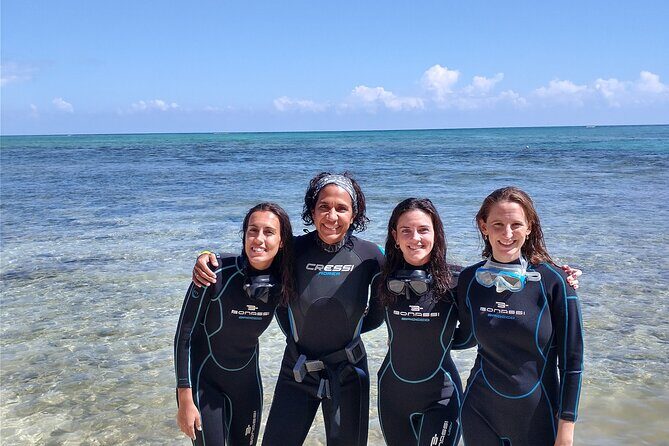
I like how the coaching starts on land and in shallow water, right where you’ll spend your first underwater session. I also like the small-group feel (a maximum of 3 travelers), plus the fact the school runs Universal Inclusion adaptive programs so different abilities can be supported more comfortably.
One drawback to plan for: you’ll need to handle the timing after your experience. You must wait at least 24 hours before flying, and the activity also depends on good weather.
In This Review
- Key highlights you’ll care about
- A beginner scuba day built around Casa Cenote calm
- Small-group logistics that make instruction easier
- Theory first, then shallow-water practice at Casa Cenote
- The first tank: what makes Casa Cenote special for new divers
- Surface interval, tank switch, and lunch break
- Cuevitas Reef for tank two: coral, fish, turtles, and stingrays
- The instructors: calm coaching is the real value
- Equipment and what’s included vs. what you’ll pay extra
- Practical notes: weather, flying, and choosing your comfort level
- Who this program fits best
- Should you book this beginner scuba program?
- FAQ
- What time does the experience start?
- Where is the meeting point?
- How long is the scuba experience?
- How many tanks are included?
- Is dive gear included?
- Do I need to arrange my own ride from my hotel?
- What about the reef location—do you travel by boat?
- Are snacks and drinks provided?
- Is there an extra fee on top of the tour price?
- How soon can I fly after scuba?
Key highlights you’ll care about
- Universal Inclusion adaptive scuba programs, built for divers of different abilities
- Casa Cenote for beginner-friendly training and your first open-water session
- Cuevitas Reef for a second tank with coral and likely sightings like turtles and stingrays
- Small group size (max 3 travelers) for more hands-on guidance
- Included snacks plus a surface interval that gives you time to regroup before tank two
- Guides praised by name for calm instruction (Paulina, Ezequiel, Freya, Ricardo, Fonsi)
A beginner scuba day built around Casa Cenote calm
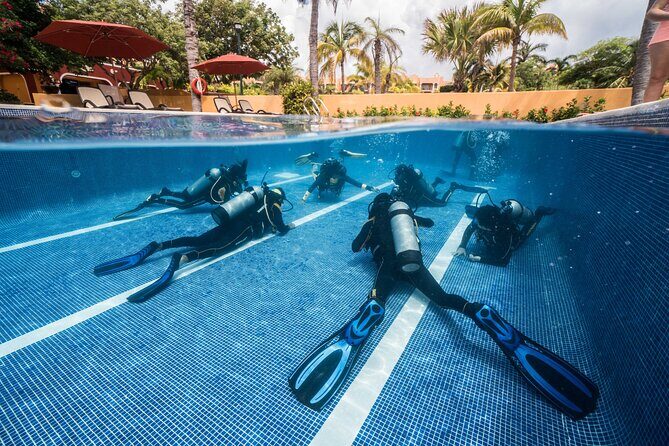
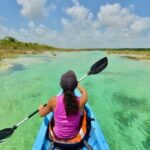
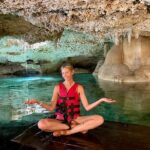
This program is designed for first-timers. The big idea is simple: start where the water is easier to manage, then build confidence before you head out for reef time. You begin with a theory session and shallow-water training at Casa Cenote, an open cenote with mangroves and clear water. That setting matters. It’s not about impressing you with adrenaline—it’s about helping you get your bearings fast and learn the skills you’ll actually use.
Casa Cenote is the kind of place where your brain can catch up. You can focus on breathing, buoyancy, hand signals, and how your body feels underwater without the pressure of open-sea conditions. If you’re nervous, this is a smart way to start, and the reviews back up that the instructors know how to slow things down when you need it.
Your day stays balanced: two tanks are included, but the pacing is beginner-friendly. Many first-timers end up doing both sessions around 40 minutes each, with a structured break between them.
Other Tulum ruins tours we've reviewed in Playa del Carmen
Small-group logistics that make instruction easier
The day starts at 8:00 am, and the meeting point is at the school’s location on Calle 6 Nte Bis. 227 in Playa del Carmen. Your activity ends back at the same meeting point, so you’re not dealing with complicated drop-offs.
Group size is capped at 3 travelers. That’s not just a comfort perk; it usually means you get more attention when you’re learning new equipment. When you’re new to scuba, small details can feel big—how your mask seals, how your regulator feels, how your instructor wants you to move. A tiny group helps make that correction time shorter and calmer.
Also note what’s not included. Hotel-to-school transportation isn’t included, so you’ll want a plan to get to the meeting point by 8:00 am. The good news is the meeting area is near public transportation. If you’re already staying in Playa del Carmen, that often makes timing easier.
Theory first, then shallow-water practice at Casa Cenote
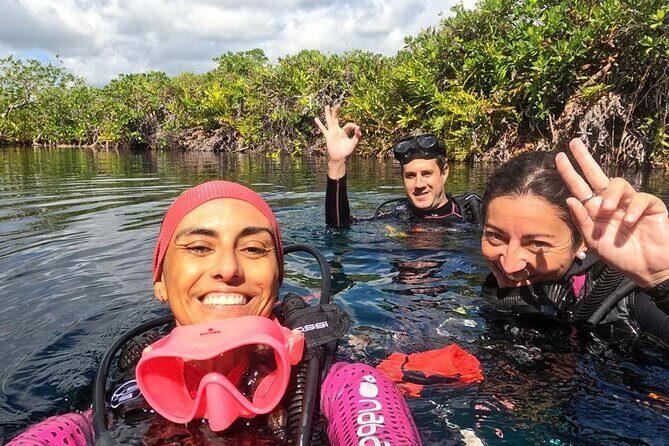
The first stage is learning the basics before you go down. You’ll have a theory session followed by shallow-water training at Casa Cenote. This is where you build muscle memory: equipment checks, breathing control, and how you communicate underwater.
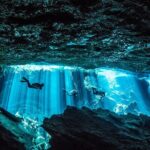
From there, you’ll do your first open-water underwater session in the cenote. A cenote works well for beginners because conditions tend to feel more controlled than open ocean. You’re surrounded by clear water and natural boundaries, so it’s easier to understand where you are and what you’re doing.
One charming detail from the experience: during the cenote refresher, some divers have had a chance to see a local alligator at the site. You shouldn’t count on a specific animal sighting, but it’s a fun reminder that cenotes aren’t just “training pools”—they’re alive with local wildlife.
The first tank: what makes Casa Cenote special for new divers
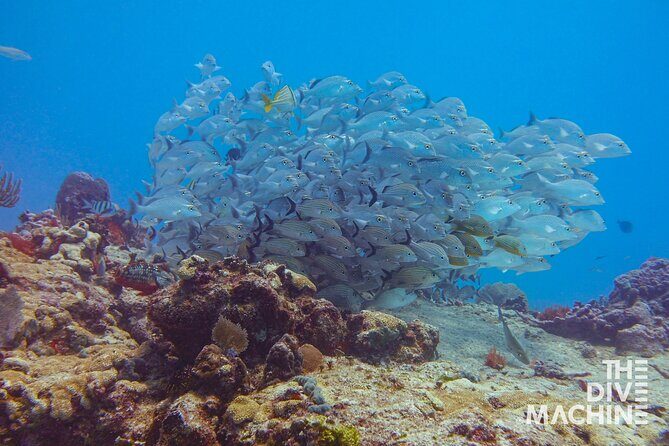
In Casa Cenote, your goal isn’t to “see everything.” Your goal is to feel safe and in control. The calm water and the natural surroundings help you focus on technique. You’re also in an area where instructors can coach in a way that makes sense—especially if you’re unsure about your comfort level.
The reviews highlight a common theme: new divers felt supported and at ease. People who were nervous said their instructors guided them step-by-step, and they used what they learned in briefing during the actual underwater session. If you’ve ever worried that scuba instruction might feel rushed, this setup is worth your attention.
Also, cenote water time tends to feel like a “checkpoint.” Once you’ve completed tank one here, tank two tends to feel more manageable rather than overwhelming.
Surface interval, tank switch, and lunch break
After tank one, you’ll have a short surface interval. This is where you switch tanks and reset. You’ll also be offered snacks, water, a sandwich, and fresh fruit before you go to the second location.
This break isn’t filler. It matters because it reduces stress. When you’re new, you might be thinking about buoyancy, your breathing, or even whether your ears feel okay. A proper reset helps you start tank two with a calmer body and clearer head.
Expect the whole program to run about 5 hours (approx.). That includes training, two underwater sessions, transport to the reef area, and the meal break.
Other scuba diving tours we've reviewed in Playa del Carmen
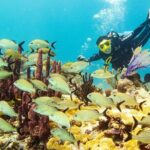
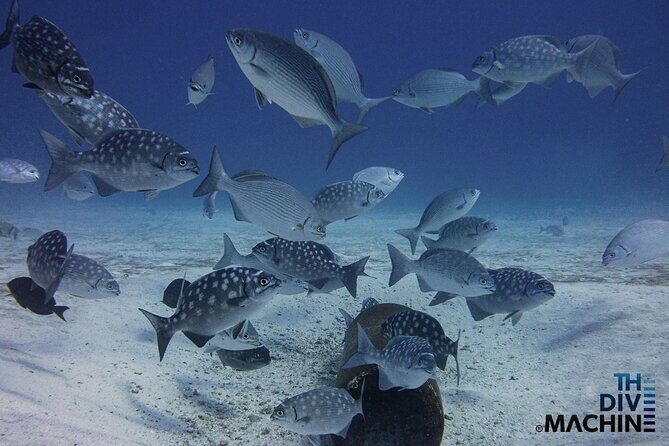
Cuevitas Reef for tank two: coral, fish, turtles, and stingrays
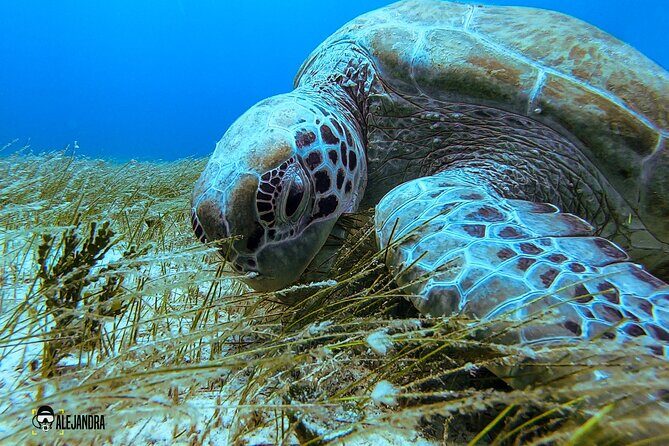
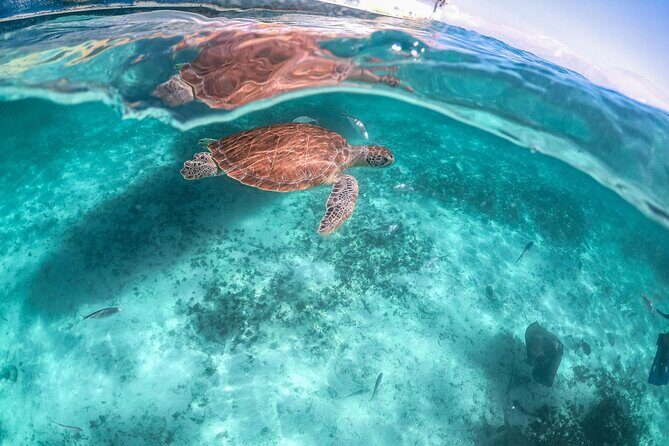
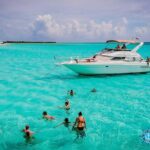
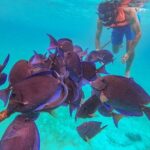
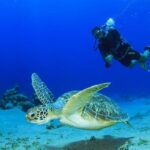
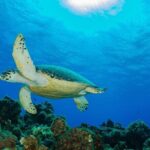
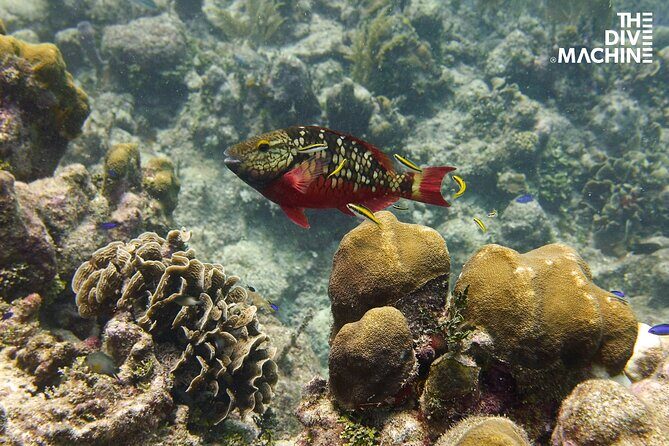
After the break, your instructor guides you to the second underwater session at Cuevitas Reef, reached by a short boat ride from the Tulum area. Once you’re there, you’ll explore coral formations and look for marine life in warm Caribbean waters.
Based on the tour description, you can reasonably expect the kind of sightings common to this area:
- tropical fish
- turtles
- stingrays
No responsible operator can promise exact animals on the day (water currents, visibility, and movement all play a role), but the reef location is a strong match for what many beginners hope for: real ocean scenery, not just a training pond.
This second tank is where your day turns from learning to enjoying. Your earlier cenote practice helps you move more confidently and notice more—because you’re not spending all your energy on basic control.
The instructors: calm coaching is the real value
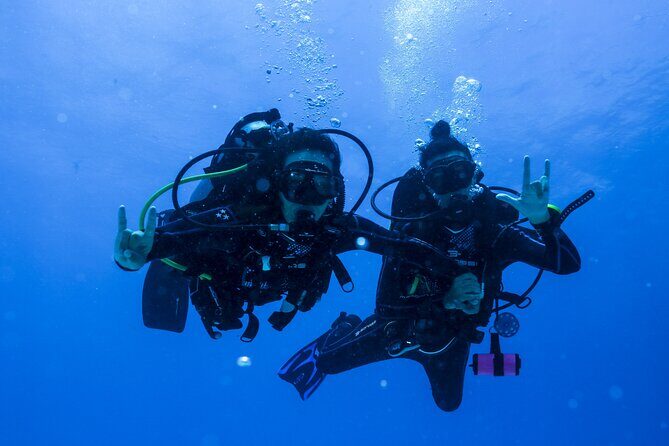
What stands out most in the reviews is how much people credit the guides for making them feel safe. Names that come up again and again include Paulina, Ezequiel, Freya, Ricardo, and Fonsi.
Here’s what that means for you: beginner success isn’t only about the location. It’s about teaching style. More than one first-timer said their guide handled anxiety in the moment—walking them through the steps, checking understanding, and building confidence before descending.
Paulina gets especially strong mentions for helping divers who were nervous feel at ease. One review described the instructor helping someone through a moment of worry, which is exactly what you want from a beginner-focused team. Another review praised how the instructor ensured divers understood the basics and practiced them before going down.
Ezequiel is also highlighted for patient, informative coaching, plus an easy flow from cenote training to the reef tank. Freya is noted for friendly guidance and helping everyone feel confident. Ricardo and Fonsi are mentioned for kindness, knowledge, and helping worries fade quickly once equipment was on and skills were in motion.
If you’re comparing beginner scuba options, I’d treat instructor skill as the main purchasing factor. Gear and locations matter, but good instruction is what turns a first tank into a life-changing memory.
Equipment and what’s included vs. what you’ll pay extra
This program includes 2 tanks in open water, full dive gear, and boat transportation, plus snacks and water. That’s a solid bundle for beginners. You don’t have to sort out rental timing or equipment questions; the gear is included, and you’re moving between sites on the plan.
There are a couple of extras:
- Tips are not included
- Environmental tax is listed as MX$500.00 per person
- Hotel transportation isn’t included
When you think about value, the math isn’t just the $198 price tag. The more meaningful value is that you’re getting two underwater sessions with a beginner training flow, boat transport for the reef portion, and equipment handling already taken care of.
For a first-timer, that reduces friction. Fewer decisions before you go underwater often means less stress during the day—which, honestly, can be the difference between enjoying it and feeling overwhelmed.
Practical notes: weather, flying, and choosing your comfort level
The experience requires good weather. If conditions don’t work, you’ll be offered a different date or a full refund. That’s important if you’re planning your trip tightly around other activities.
One medical-style planning note is stated clearly: after your scuba experience, you must wait at least 24 hours before flying. Don’t treat that as optional. Build it into your schedule, especially if you’re connecting to flights soon after your Mexico time.
Also, this program allows service animals, and the start location is near public transportation. If you have mobility needs or are not sure what to expect in terms of support, the school’s Universal Inclusion adaptive program is worth asking about when you book. They explicitly market adaptive scuba for divers of all abilities, which usually means you’re not being treated like a one-size-fits-all beginner.
Who this program fits best
This is a strong match if:
- you’re doing scuba for the first time
- you want a structured learning plan that starts in shallow water
- you’d like small-group attention (max 3 travelers)
- you prefer a guide who’s comfortable coaching nervous first-timers
It can also make sense for people who want more support choosing how they participate. Some reviews mention feeling free to engage at their own pace, and that safety and explanation style made the whole trip more enjoyable.
If you’re an experienced diver, this may feel more basic than you want, but the reef tank plus cenote practice can still be a nice change if your goal is calm structure rather than technical challenge.
Should you book this beginner scuba program?
I’d book it if you want your first scuba day to feel guided, calm, and beginner-proof. The mix of Casa Cenote training plus a second reef session, the two-tank format, and the consistently praised coaching (especially names like Paulina and Ezequiel) all point to a strong learning experience—not just a quick ticket to the water.
I’d pause and plan carefully if you’re flying within 24 hours, since the schedule rule is non-negotiable. And if you don’t have transport to the meeting point, make sure you can get there by 8:00 am without stress.
If you’re ready for that first “I can do this” moment underwater, this is the kind of program that’s built to get you there.
FAQ
What time does the experience start?
The start time is 8:00 am.
Where is the meeting point?
You meet at Calle 6 Nte Bis. 227, Solidaridad, 77710 Playa del Carmen, Q.R., Mexico.
How long is the scuba experience?
It lasts about 5 hours (approx.).
How many tanks are included?
Two tanks in open water are included.
Is dive gear included?
Yes, full dive gear is included.
Do I need to arrange my own ride from my hotel?
Transportation from your hotel to the dive school is not included.
What about the reef location—do you travel by boat?
Yes, boat transportation is included for the portion to Cuevitas Reef.
Are snacks and drinks provided?
Yes. Snacks and water are included, along with a sandwich and fresh fruit.
Is there an extra fee on top of the tour price?
Yes. An environmental tax of MX$500.00 per person is not included.
How soon can I fly after scuba?
You must wait at least 24 hours before flying.