REVIEW · PLAYA DEL CARMEN
Scuba Diving in Cenotes
Book on Viator →Operated by Be Diving Scuba Academy · Bookable on Viator
Cenotes turn ordinary travel days into water days. This 6-hour cenote scuba experience is built around small group attention, a real briefing, and two underwater sessions in some of Mexico’s most dramatic natural rooms. It’s offered in English, and you’ll spend part of the day on the road toward the cenotes along the Federal Highway corridor between Playa del Carmen and Tulum.
What I like most is the tight cap of four certified scuba students per guide, which keeps the attention focused when you’re dealing with currents, bubbles, and all that hanging limestone. I also like that the schedule is structured: two underwater sessions of about 45 minutes each, plus a long break with snacks, water, and fruit before you go again.
One thing to consider before you book: the cenote entrance fees are not included, and those prices can vary by site. So the $190 base rate can grow once you add park/entry fees, plus anything extra like hotel pickup or Nitrox.
In This Review
- Key things that make this cenote scuba day worth your time
- Cenotes are the main event, and the group size matters
- Price and value: what $190 covers, and what can add up
- Starting at the center: gear check, paperwork, and a real sanity check
- The drive to the cenotes: Playa to the Federal Highway route
- Two underwater sessions, with a long break that actually helps
- Depth limits by certification: the rule is clear, and you should plan around it
- Which sites you might see: fees vary, and the operator cares about formations
- Guide quality and safety: why people mention Jon, John, Jow, and Carol
- Snacks, water, and the small things that prevent a bad second session
- Who should book this cenote scuba day (and who should think twice)
- Quick tips to get the best day possible
- Should you book? My take on when this is the right choice
- FAQ
- How many people are there per guide?
- How long does the experience take?
- Is hotel pickup included?
- What’s included in the $190 price?
- What’s not included?
- What depth can I do with my certification?
- Are Nitrox tanks available?
- Where do we meet?
- What if weather is bad?
- Is the tour private?
Key things that make this cenote scuba day worth your time
- Small ratio (up to 4 per guide): more coaching, fewer rushed moments, and easier buoyancy checks.
- Two underwater sessions with a minimum 1-hour surface interval for snacks and recovery.
- Depth limits by certification (18m Open Water, 30m Advanced, 40m with Deep specialty).
- Nitrox tanks available for an extra cost, if you want it.
- Operator style focused on safety and responsible care of the formations (they may adjust what you see based on how you handle your gear).
Cenotes are the main event, and the group size matters
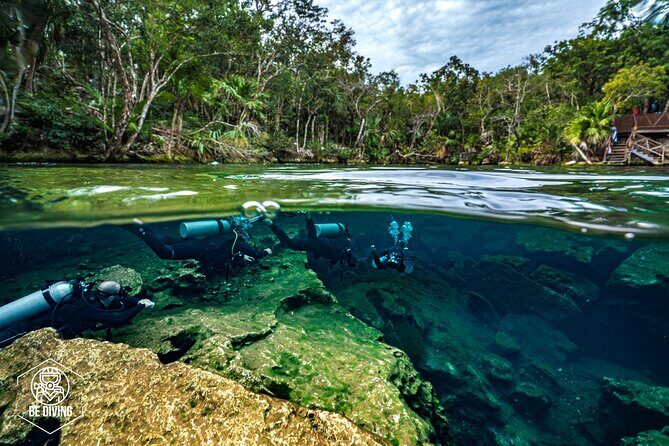
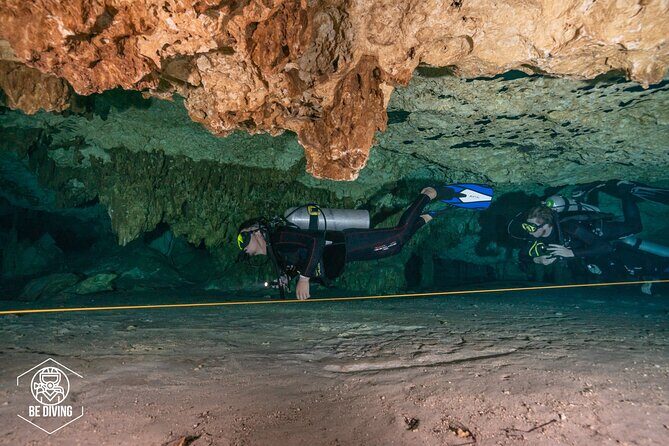
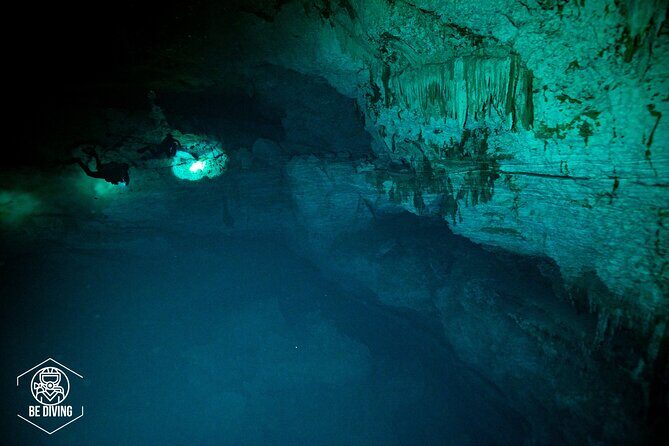
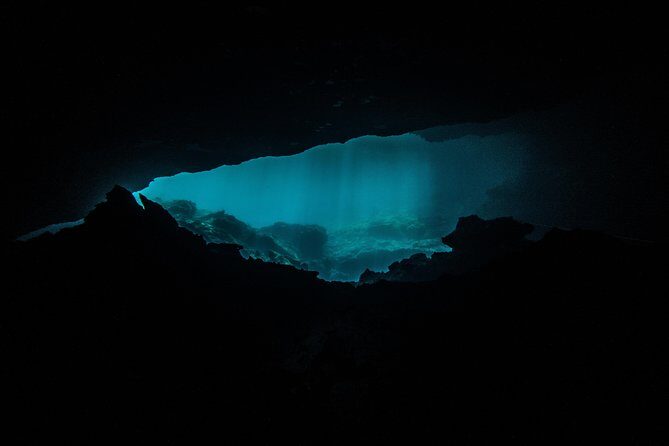
Cenotes are not just pretty holes in the ground. They’re controlled environments with changing light, narrow entrances, and underwater rock that’s basically millions of years old. That’s why the structure of this day feels practical: you’re not squeezed into a huge crowd, and you’re not left to figure things out while you’re already underwater.
With a maximum of four certified scuba students per guide, your briefing has room to breathe. You get time to confirm equipment, talk through depth limits, and ask about what you’re seeing before the first bubbles start. In a place like a cenote, that matters because the “rules of the water” can feel different than ocean sites.
The other reason I like the approach: you get a clear pacing. You’ll do two underwater sessions, you’ll have a long break in between, and you’ll be back around mid-afternoon. That means you’re not turning your whole day into a blur of travel and fatigue.
Other scuba diving tours we've reviewed in Playa del Carmen
Price and value: what $190 covers, and what can add up
The listed price is $190 per person for a total experience time of about 6 hours. You also get private transportation, snacks, bottled water, and a guide.
Here’s the part that can change your real budget: cenote entrance fees are not included. Those fees vary depending on which cenote(s) you visit. Some cenotes cost more than others, and the operators don’t bundle those costs into the base rate here.
Also watch for add-ons:
- Hotel pickup is available for an extra fee depending on where your hotel is.
- Nitrox tanks are available with an extra cost.
- Any certification upgrades (if you need deeper limits later) would be outside the tour price.
So is it good value? For me, the honest answer is: it’s good value when you’re booking this as an attention-focused day. You’re paying for coaching, safety practices, and the small-group setup. If you’re the type who wants a quick, cheap checklist tour, you might feel like it’s more than you need. If you want a calmer experience in a delicate underwater environment, the price starts to make sense fast.
Starting at the center: gear check, paperwork, and a real sanity check
The day starts at the scuba operation’s meeting point in central Playa del Carmen (C. 1 Sur 213-MZ14 L5, entre 30 y 25, Centro, 77710). The first job is not glamour—it’s readiness.
You’ll check equipment quality, go through paperwork, and confirm your certification before you head out. That front-loaded process is more than admin. It’s where you avoid the annoying stuff that can happen later: a regulator issue, an ill-fitting mask, missing paperwork, or a mismatch between your certified level and the plan.
If you’re a newer scuba student, this is where you’ll feel the difference between “tour mode” and “scuba mode.” The crew is set up to make sure your gear is functioning and your plan matches your training. One practical benefit from the way they run things is that they can be careful about what sites you should attempt based on how you manage your body position and buoyancy.
The drive to the cenotes: Playa to the Federal Highway route
From the center in Playa del Carmen, you head along the Federal Highway route between Playa and Tulum. The drive takes about 40 minutes from the Playa area, but it can vary based on your selected package (Regular, Adventure, or Extreme) and the specific cenote locations.
It’s not a “just sit in the van” kind of transfer either. This is one of those road segments where you can get a feel for the day’s structure: you’re building in enough time to do two full underwater sessions without rushing the later one.
If you’re booking close to your arrival date, plan to be rested for the ride. The day is long enough that you’ll want good energy for both sessions, especially once you’ve got your breathing rhythm going.
Two underwater sessions, with a long break that actually helps
This program is built around two underwater sessions. Each one is planned for around 45 minutes, with a maximum time of 60 minutes. The interval between the first and second underwater time is at least 1 hour, and that break includes snacks, water, and fruit.
That break is not just a nice touch. It helps you:
- reset your breathing and pacing
- warm up again if you got chilly
- top off your hydration
- handle any gear checks before the second session
The group limit stays tight throughout—again, up to four certified scuba students per guide/instructor—so it’s easier to stay on schedule without forcing anyone along too fast.
At the end of the second session, you’ll head back, usually returning around 3:00 PM, depending on travel distance.
Other scuba diving tours in Playa del Carmen
Depth limits by certification: the rule is clear, and you should plan around it
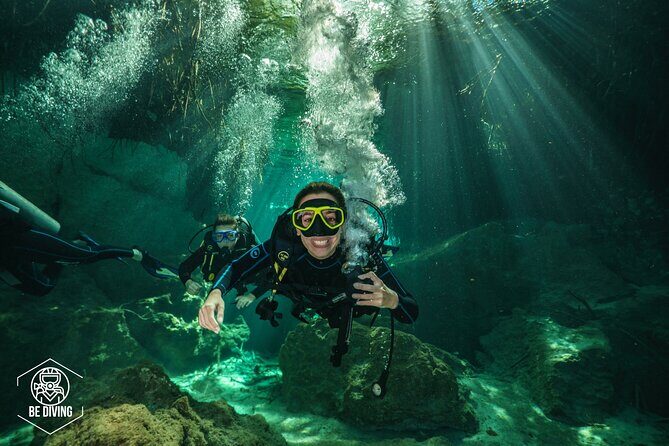
In cenotes, depth isn’t just a number. The depth you can safely reach connects to your training and what your instructor can guide you through.
Here are the depth limits provided:
- 18 meters with Open Water level
- 30 meters with Advanced certification
- 40 meters with Deep specialty certification
Check these levels directly with the dive center before you go, especially if your certification cards are slightly different than what you assume. In my experience, the best travel moments happen when you do the boring homework early.
If you want Nitrox, remember it’s available for an extra cost. Ask about it ahead of time so you know whether it changes your comfort level, not just your equipment.
Which sites you might see: fees vary, and the operator cares about formations
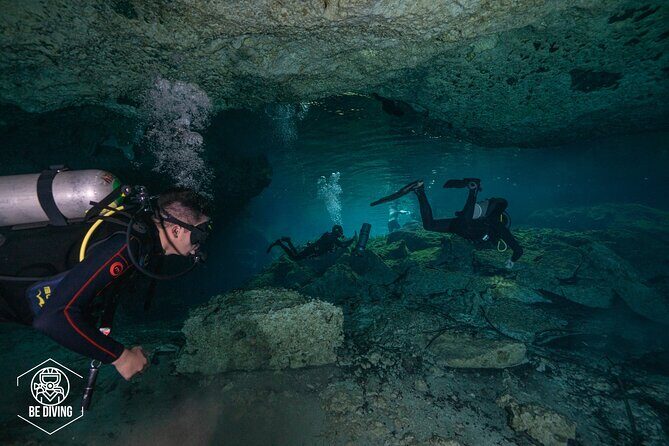
Your exact cenote selection depends on the cenotes and your package, but the important practical point is this: cenote entrance fees are extra and vary by site.
One participant reported an unforgettable moment in Casa Cenote, including the chance to spot a crocodile inside the cenote. That’s not something you can count on, but it’s a useful reminder that cenotes aren’t stage sets—they’re living environments.
Another detail I respect in how the operation runs things: they can adjust the plan for responsible underwater behavior. In one case, a diver wasn’t taken to Dream Gate on the first cenote because the team wanted to see the diver’s technique first, specifically to protect the formations. After that first session, Dream Gate became possible—and the person described it as a major wow moment.
The takeaway for you: if you want the most impressive sites, show up ready. Follow instructions, maintain control, and take buoyancy seriously. That isn’t just safety—it’s also how you earn access to the best parts of the cenote network without damaging fragile rock.
Guide quality and safety: why people mention Jon, John, Jow, and Carol
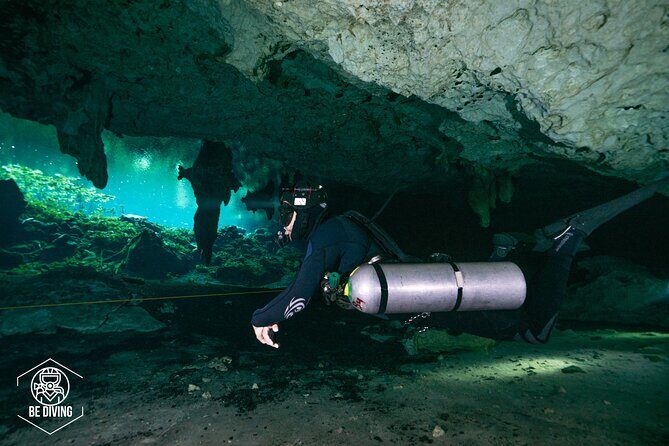
Small-group experiences rise or fall on the guides. The names that show up are Jon (frequent), plus John, and Jow and Carol for specific cenote days.
What comes through in the stories is a mix of:
- comfort coaching (helping first-timers feel relaxed)
- professional briefings and safety-minded behavior
- no-hurry pacing that keeps things calm
- attention to nature and sustainability
One person credited Jon for making them feel comfortable and turning the day into something enjoyable, not stressful. Another described the operation as strict about safe practices and smooth briefings, with good rental gear and a clear focus on responsible behavior. There’s also a note about environmental care as a mission, which matters more in cenotes than it does in open-water settings.
If you end up with a guide like Jon, you’ll likely get that mix of friendliness and structure. If you don’t, it still sounds like the shop’s system is built to keep things consistent: check gear, stick to schedule, run safe profiles, and keep group size small.
Snacks, water, and the small things that prevent a bad second session
It’s easy to underestimate how much a cenote day depends on surface breaks. This day includes snacks, bottled water, and fruit during the interval between underwater sessions.
That’s a big deal because your second session is where fatigue can creep in—especially if you had a long travel day the day before, or if you tend to get tense when you’re adjusting to buoyancy.
There’s also mention of lunch being included on at least one type of booking. Even if your exact meal timing varies by site and schedule, the point stays: you’re not being left starving or dehydrated between the two sessions.
Who should book this cenote scuba day (and who should think twice)
This is aimed at people who have the certification level to match the depth plan and who want a guided, structured day rather than a solo experiment.
You’ll feel at home here if:
- you want two well-paced underwater sessions in a natural setting
- you prefer small group instruction (up to four per guide)
- you like being guided through depth limits based on your certificate
- you’re okay paying extra for cenote entrance fees and any Nitrox or pickup add-ons
You might think twice if:
- you’re looking for a strictly “one site, one hour” experience (this is a full day)
- you dislike budgeting for extras like cenote entry fees
- you don’t have moderate physical fitness (the tour states you should have it)
Also, if you’re sensitive to schedule changes, remember the day depends on weather and minimum group size. If weather is poor, you’ll be offered a different date or a full refund.
Quick tips to get the best day possible
Based on how this day is structured, here’s how you can set yourself up for a smooth experience:
- Bring your certification info and confirm what depth you’re allowed on. Don’t guess.
- Ask whether Nitrox is worth it for your plans so you’re not surprised by the extra cost.
- If you want harder-to-reach sites like Dream Gate, listen closely in the first session. Technique matters.
- Arrive early enough to do the gear check without feeling rushed.
- Eat the snacks during the long break. It’s planned for a reason.
Small habits matter a lot when the underwater space is tight and the rock formations are delicate.
Should you book? My take on when this is the right choice
Book this tour if you want a guided cenote day with two underwater sessions, small groups, and a team that takes safety and formation care seriously. The $190 base price looks reasonable once you factor in private transport, snacks, and the guide ratio, even though you’ll still need to budget for cenote entrance fees on top.
Skip it (or shop around) if you’re trying to minimize total cost, hate add-on fees, or you only want a quick taste with no structure. Cenotes are memorable, but they’re also regulated by certification, depth limits, and site access—so you’ll enjoy this most if you come in ready to follow the plan.
If you want my simple rule: if small-group coaching and two structured underwater sessions sound like your kind of day, this is a strong bet in Playa del Carmen.
FAQ
How many people are there per guide?
The day is capped at a maximum of 4 certified scuba students per guide.
How long does the experience take?
Plan for about 6 hours total, and you’ll usually return around 3:00 PM depending on the cenote location.
Is hotel pickup included?
Hotel pickup is available for an extra fee, depending on where your hotel is located.
What’s included in the $190 price?
Included are private transportation, snacks, bottled water, and a guide.
What’s not included?
Cenote entrance fees are not included in the tour price, and Nitrox is available only with an extra cost.
What depth can I do with my certification?
Limits are listed as 18m for Open Water, 30m for Advanced, and 40m for Deep specialty. Confirm your level with the dive center.
Are Nitrox tanks available?
Yes, Nitrox tanks are available with an extra cost.
Where do we meet?
You meet at the operator’s location on C. 1 Sur 213-MZ14 L5, entre 30 y 25, Centro, 77710 Playa del Carmen, Q.R., Mexico.
What if weather is bad?
The experience requires good weather. If it’s canceled due to poor weather, you’ll be offered a different date or a full refund.
Is the tour private?
This is listed as a private tour/activity, with only your group participating.